
Quick comparative snapshot
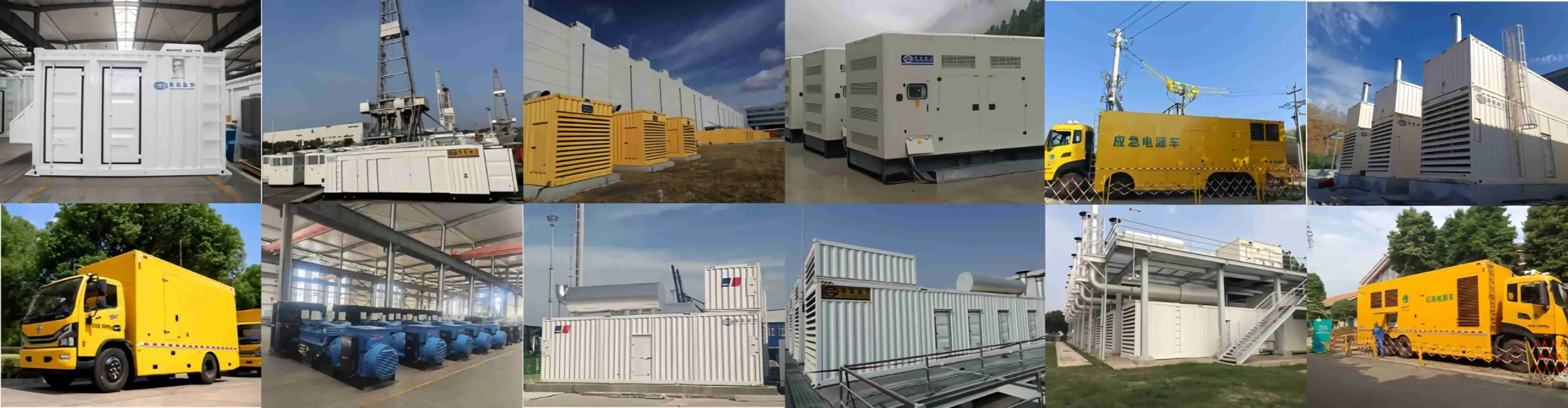
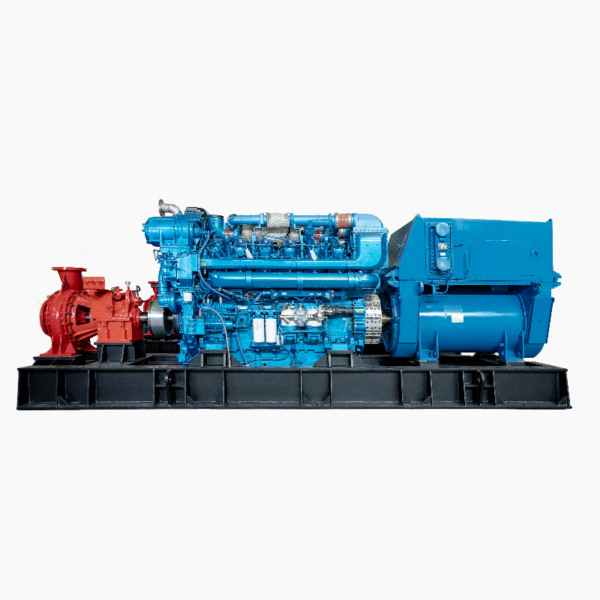
Most operators don’t have time for theory; they want a dependable setup that fits a dock, a drill ship, or a harbor warehouse. This piece lays out practical contrasts between containerized solutions and alternative configurations, with a nod to the classic marine case — the marine diesel genset that often forms the backbone of coastal resilience. Think containerized genset versus skid-mounted units versus modular microgrids — each has trade-offs in footprint, kVA rating, fuel consumption rate, and maintenance access.
What matters in a head-to-head
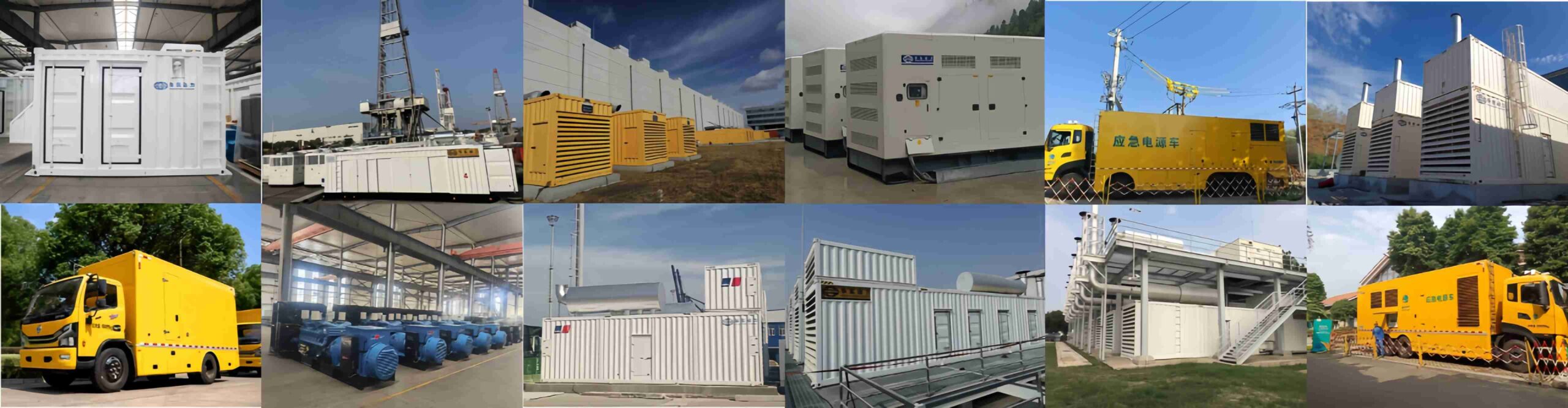
When you stack options side-by-side, three metrics rise to the top: power density (kVA per cubic meter), deployment speed (hours from arrival to full synchronization), and lifecycle operating cost (fuel plus scheduled maintenance). Containerized genset systems score high on rapid deployment and environmental enclosure — good for ports and temporary power after storms. Skid-mounted sets win where integration into an existing engine room is required. Modular microgrids offer better harmonics control and advanced synchronization but demand more upfront engineering.
Real-world anchor and credibility
After Hurricane Sandy in 2012, coastal facilities around New York turned to containerized power to restore essential systems quickly. That event proved two things: containerized gensets deliver fast, sheltered power in harsh conditions; and logistics — not raw output — often dictate success. Operators learned to prioritize transfer switch readiness and remote monitoring before they worried about horsepower. That lesson still guides procurement today.
Common configurations and their trade-offs
Here’s a short, practical list for fleet engineers and port managers evaluating options:
– Containerized genset: enclosed, weatherproof, straightforward transport. Pros: fast install, weather-hardened enclosure, decent acoustic control. Cons: heavier transport costs, potential cooling constraints at high ambient temps.
– Skid-mounted genset: easier integration with permanent systems, lower transport weight. Pros: simpler fuel plumbing, sometimes better service access. Cons: less weather protection, needs a prepared foundation.
– Modular microgrid with synchronized sets: best for load sharing and efficiency. Pros: precise synchronization, optimized fuel use, smoother redundancy. Cons: higher initial controls cost and sophistication.
Operational pitfalls to avoid
Buyers repeatedly trip over the same mistakes. One: undersized switchgear and misjudged harmonics at startup — those lead to nuisance trips. Two: ignoring synchronization testing; a unit that won’t sync under load is useless. Three: overlooking remote telemetry and the fuel consumption rate under typical duty cycles. Install a proper load bank test during commissioning — it reveals real-world behavior faster than promises on a spec sheet. Little things matter: cable runs, ventilation, and ensuring the transfer switch matches the genset’s protective relay settings.
How to choose — a short decision matrix
Match the form factor to the mission. If you need speed and weather protection for temporary coastal work, lean containerized. If the genset becomes part of a fixed plant, consider skid or permanent enclosures with built-in fuel polishing. For fleets with variable loads, prioritize synchronization capabilities and remote monitoring. Also check fuel logistics: marine bunkering vs onshore diesel supply changes refueling intervals and planning.
Golden rules for procurement
Here are three critical evaluation metrics to use when selecting a supplier or system:
1) Verified load performance: demand documented load bank test results at specified kW and power factor, not just manufacturer estimates.
2) Integration readiness: confirm transfer switch compatibility, relay settings for synchronization, and availability of spare parts in your region.
3) Total cost of ownership: calculate fuel consumption rate over expected duty cycles plus scheduled maintenance intervals and service lead times.
Closing assessment and the Huadong Power fit
The practical takeaway is straightforward: pick the topology that meshes with your logistics, crew skills, and downtime tolerance. For coastal and marine contexts where enclosure, quick deployment, and tested marine interfaces matter, a well-specified containerized option often wins. Solutions from established OEMs that supply reliable diesel marine genset options simplify procurement and cut commissioning headaches. Trust experience — and documented test results — over slick presentations.
Huadong Power fits naturally where operators need proven containerized systems, clear kVA specifications, and service footprints that match port operations. Simple. Reliable. —