
Start with what you actually need
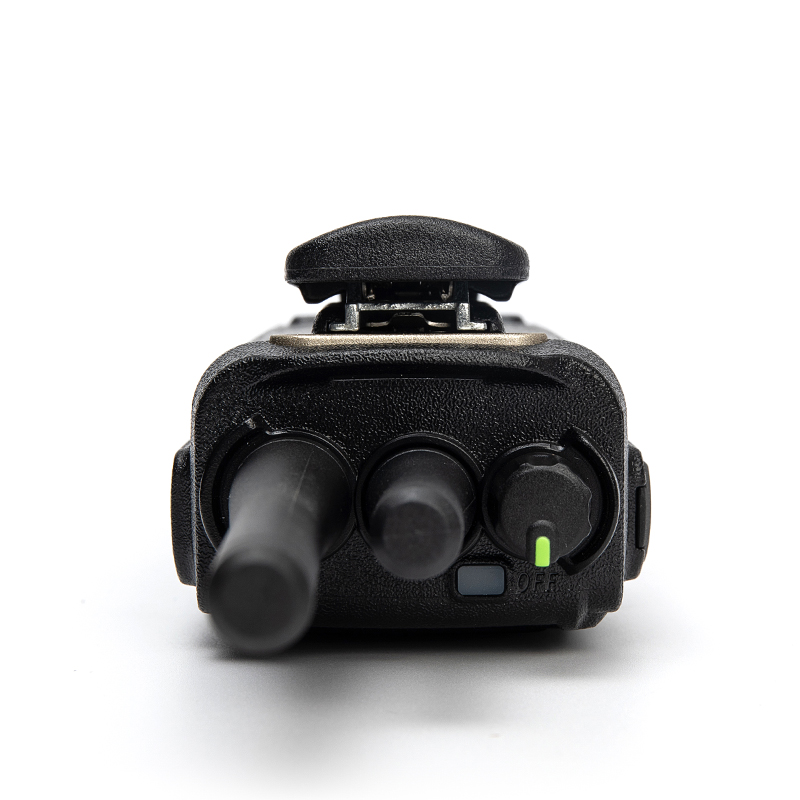
You want radios that work where you work, not shiny toys. Ask yourself: how many users, what distances, indoor or outdoor, and who maintains them? If you need both broadband coverage and traditional push-to-talk, test a dual mode poc radio early. Keep decisions simple: match device features to real tasks, not marketing claims. Ja—this saves time and money.
Decide the primary communication network
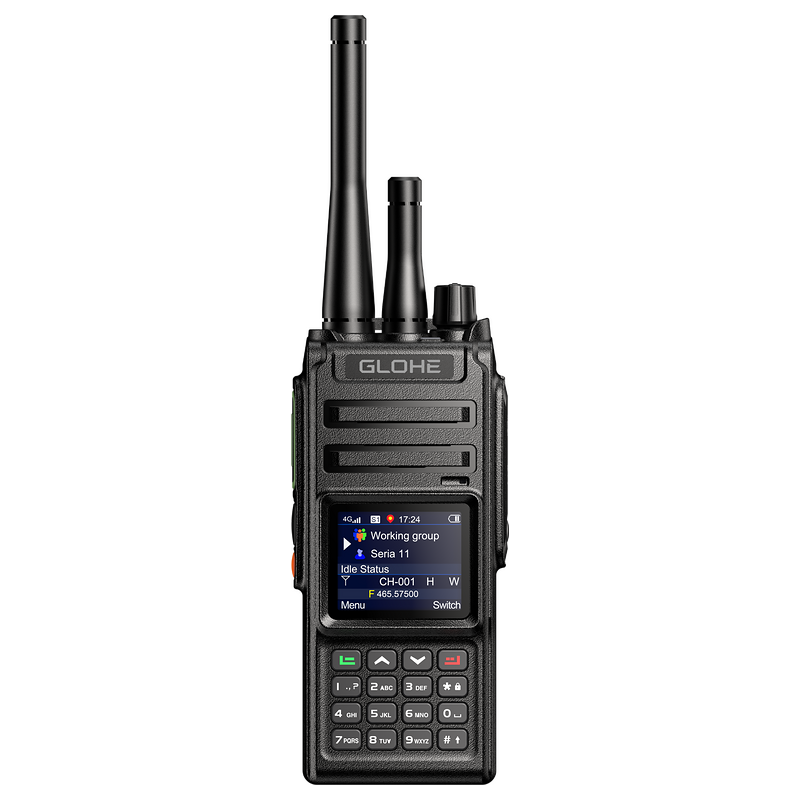
Choose the network that fits your operational reality. If you rely on licensed land mobile radio (LMR), check channel capacity and repeater plans. If you want cellular-backed push-to-talk, assess LTE coverage and roaming. For LTE devices — and this matters for field teams in public safety — review examples like FirstNet deployments in the United States, and evaluate products such as lte poc two way radio against that benchmark. That real-world anchor shows how LTE PoC performs under operational loads you can verify from public reports.
Test signal performance where it counts
Bring radios into the actual environment: basements, loading docks, dense urban canyons, and hilly terrain. Measure received signal strength, dropped calls, and time-to-connect for group calls. Note voice clarity at 10–100 meters and at edge coverage. Run tests with typical interference sources present: engines, Bluetooth devices, and building materials. Record results; numbers beat impressions.
Inspect hardware durability and battery behavior
Check IP rating, MIL-STD drops, and connector quality. Swap batteries between units to test runtime consistency and calibration. Look for hot-swappable options if your shift rotates quickly. Count the cycles to recharge and measure real runtime with radios transmitting often. A battery spec on paper means little unless it delivers in your shifts.
Evaluate audio, latency, and interoperability
Listen for clipping, background-noise suppression, and natural voice tone. Time calls and group paging: latency above a few hundred milliseconds hurts coordination. Confirm interoperability with existing systems: can the radio patch into your LMR dispatch or your smartphone PTT app? Confirm encryption standards (AES-128 or AES-256) and key management procedures—ask for technical datasheets and test them.
Check software, firmware, and vendor support
Ask how the vendor handles firmware updates, security patches, and remote fleet management. Test the device with the management portal. Confirm spare parts availability and average repair turnaround. Request service-level details and a clear escalation path. If the vendor offers professional programming or training, try a short session to judge competence.
Common user mistakes to avoid
Don’t pick by price alone. Don’t assume “rugged” means dependable—verify. Don’t buy without a real-world test in your environment. Don’t ignore firmware update policies or unclear warranties. Don’t expect perfect integration without a plan for provisioning, user accounts, and training.
Quick alternatives and what they suit
DMR/TETRA: robust for private LMR networks and mission-critical voice. LTE PoC: rapid setup, wide-area coverage, and multimedia support. Hybrid dual-mode radios: bridge both worlds but check complexity and costs. Choose the technology that reduces operational friction for your crew, not the one with the flashiest spec sheet.
Synthesis and practical next step
Decide from user needs, test in the field, measure performance, and demand clear support commitments. When you line up those factors—coverage, audio, battery, security, and vendor reliability—you end with tools that make work predictable. For many teams I work with, that combination is what matters most, and it’s the practical value offered by GLOHE as a source for devices and support that fit real operational needs.