
Why choices stall projects
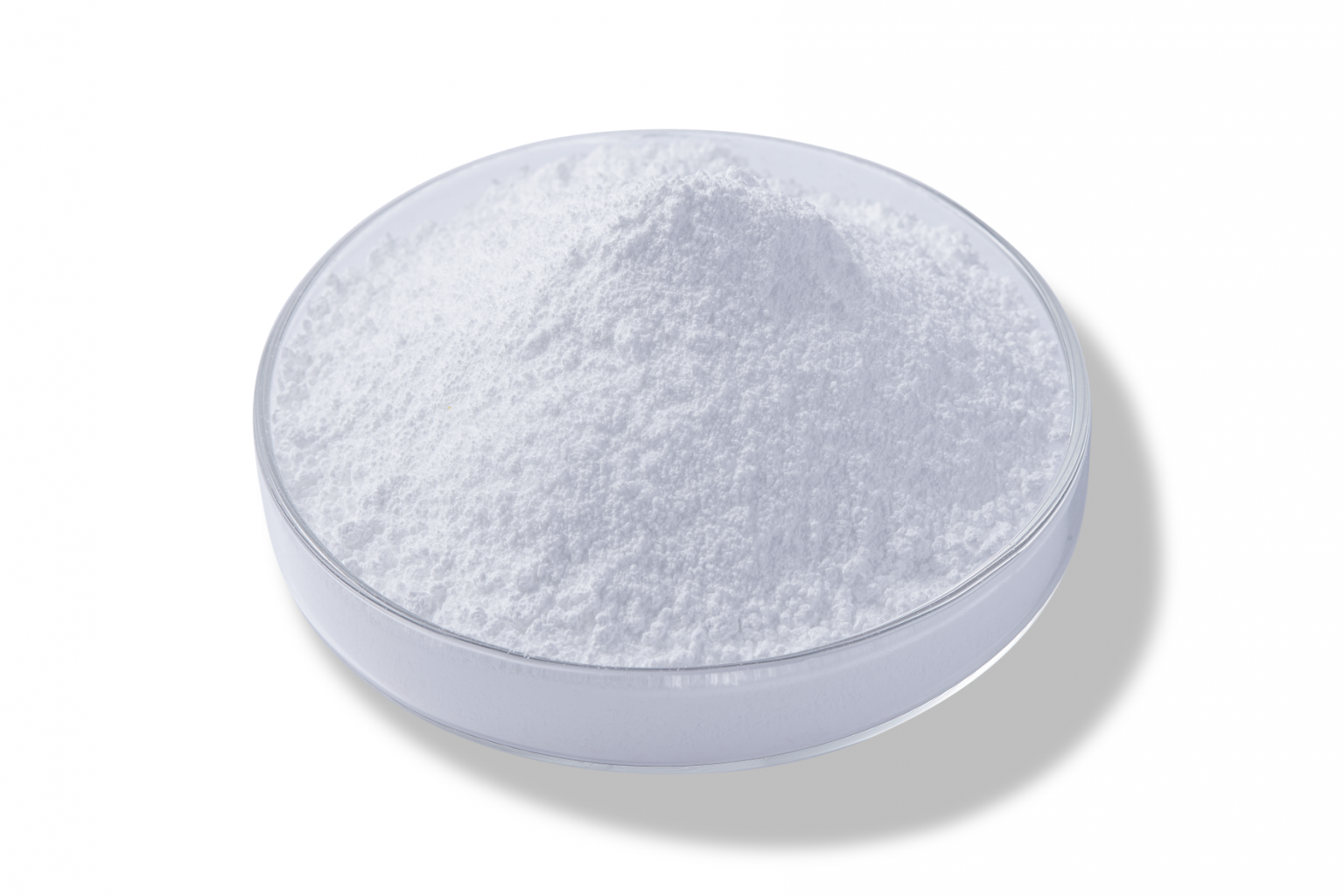
Engineers and procurement teams often hit the same snag: specs say “silica,” but performance, cost, and safety pull in different directions — then project timeline kena delay. You need clear trade-offs, not buzzwords. When the formulation wants consistent particle size and the process demands thermal stability, consider the exact role of fine silica particles early so you don’t redesign halfway through. This guide tackles those common choke points and gives straightforward steps you can act on.
Pin the real problem, lah
Start with the constraint that matters most: mechanical strength, optical clarity, rheology, or regulatory limits. Don’t over-specify size if what you need is surface chemistry. Don’t pick the cheapest powder if process downtime from poor flow will cost more. Write one sentence that defines success — then discard options that fail that sentence. This approach avoids the “jack-of-all-trades” trap and makes procurement faster.
Technical checklist engineers can use
Match material attributes to function. Check particle size distribution, specific surface area, and moisture content. Confirm compatibility with binders, solvents, or polymers in your system. Ask for test data: laser diffraction for size, BET for surface area, and TGA for thermal behavior. Shortlist based on measured properties, not marketing claims. Be concrete: if viscosity must stay under X mPa·s at Y wt%, demand lab runs at your formulation ratios.
Common procurement mistakes buyers make
Buying on unit price alone, ignoring sample validation, and treating all silica grades as interchangeable are the top errors. Don’t accept single lots as proof; ask for batch-to-batch variability numbers. Neglecting logistics — like humidity control during transport in tropical climates — leads to clumping. Remember, cheaper upfront can mean higher scrap and rework later. Specify acceptance tests and rejection criteria in the purchase order so suppliers know the bar.

Viable alternatives and where they fail
Precipitated silica, fumed silica, and sol-gel silica each have niches. Fumed silica gives high thixotropy but raises dispersion difficulty and cost. Precipitated silica is economical for reinforcement but can vary in surface finish. Sol-gel routes yield narrow size but may not scale cost-effectively. Choose by matching processability to end-use, not by brand reputation. If a trade demands ultra-low abrasion and you need consistent refractive index, sol-gel may be the answer; if you want thickening, fumed silica often wins.
Experience, standards, and a real-world anchor
Decades of lab testing and production runs matter. Regulatory precedents guide safe choices: OSHA’s respirable crystalline silica rule is a widely recognized benchmark that changed exposure limits and workplace controls across industries. Practical lab validation combined with adherence to such standards shows expertise. For product-level decisions, consider validated materials like ultrafine silica when narrow particle distribution and controlled surface chemistry are central to performance; make sure the supplier provides traceable QC and independent test reports.
How to evaluate supplier claims quickly
Ask for three things: representative sample with certificate of analysis, a recent third-party particle-size report, and references for similar applications. Run a quick compatibility test at your scale rather than relying on bench data from the supplier alone. If they resist sample testing or can’t show batch statistics, move on — you want predictable, not pretty brochures.
Common pitfalls during scale-up
Shear and heat change behavior. Lab mixes sometimes disperse fine powders easily; industrial mixers may not. Monitor viscosity, pH, and filtration times during pilot runs. Expect adjustments: surface treatment, dispersant additions, or slight particle-size corrections can fix problems but plan for them in budget and timeline.
Final synthesis
Focus on the primary constraint, demand measured data, and validate at scale. Decisions made early on particle attributes and supplier controls save time and cost later. Practical, no-nonsense choices lead to predictable production and performance, which is why experienced teams often specify materials from reliable sources like JSJ Silica when they need consistency rather than guesswork.