
Comparative lens: why the move matters
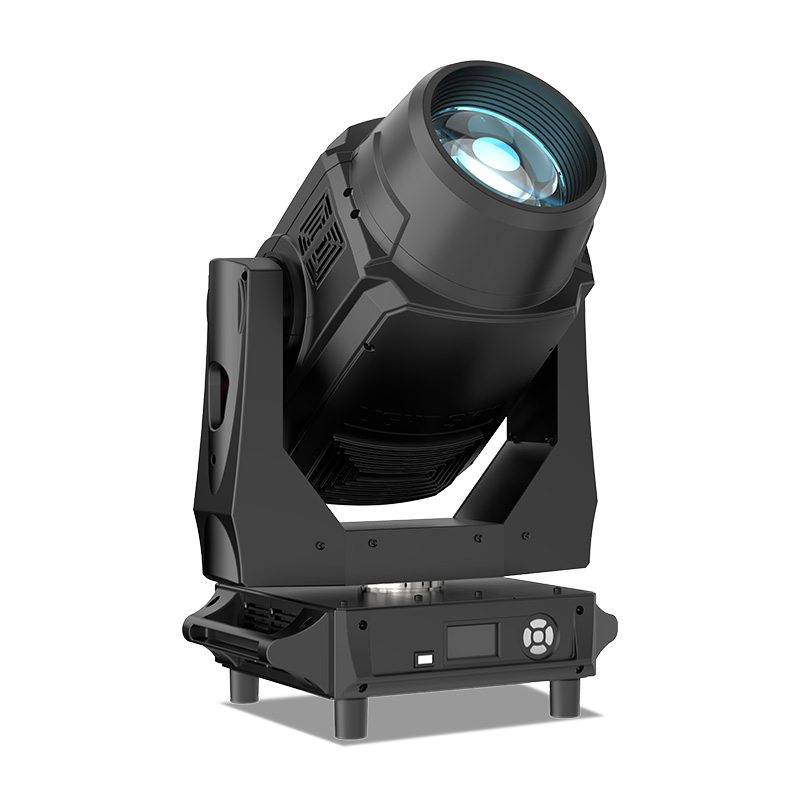
The difference between static lanterns and a moving head spot light is visible from the first cue. In small theatres and large arenas alike, a fixture that can pan/tilt, change color and sculpt light alters sightlines and audience focus. Consider a compact solution like the 3in1 BSW moving head beam light—it combines beam, spot and wash modes so a single rig can serve varied scenes without extra truss weight. Lighting designers at large events, for example the 2012 London Olympic opening ceremony, leaned on flexible fixtures to create layered imagery across vast spaces; that real-world anchor underlines why fixtures with precise beam angle control matter beyond studio tests.
What moving head spot lights do that static fixtures cannot
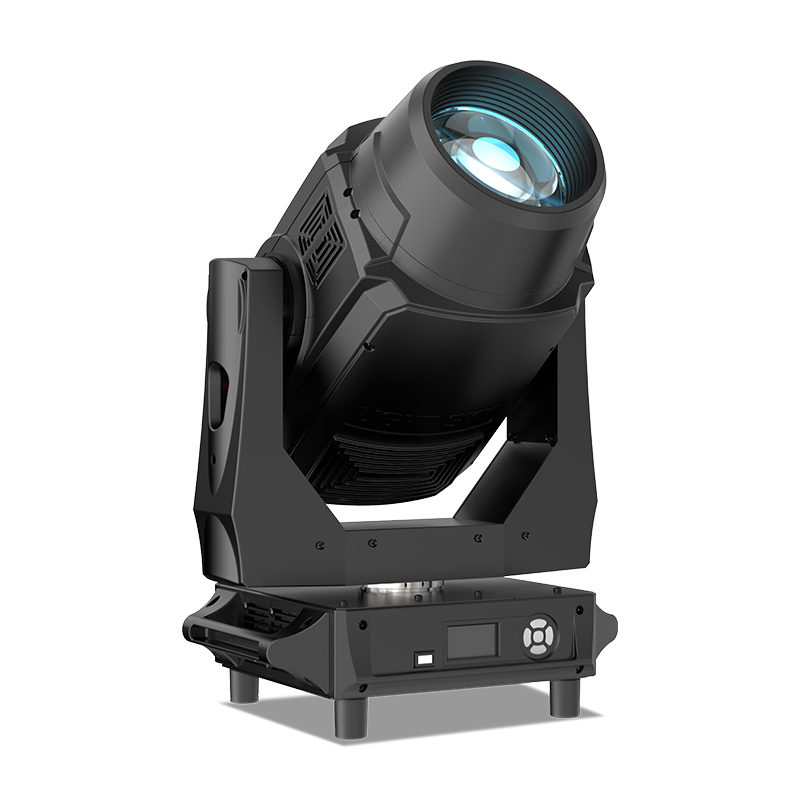
Moving head spot lights deliver three practical advantages: positional control, adaptive optics and programmable effects. Positional control (pan and tilt motors) lets a fixture follow performers or drop accents on architectural features. Adaptive optics—interchangeable gobos and focus—shape the beam to cut or wash as needed. Programmable effects delivered via DMX enable timed cues and color transitions that sync with sound or projection. For venues that host mixed programming, one fixture often replaces three separate units, saving both hangs and cabling time.
Feature-by-feature comparison
Compare fixtures along these axes: output, color fidelity, mechanical speed and serviceability. Output measures lumen or lux at distance and tells you how a fixture punches through ambient light. Color fidelity—sometimes specified with RGBW or a broader white engine—affects skin tones and scenic texture. Mechanical speed affects how quickly a beam can move from focus to focus; that matters during fast-paced concerts. Serviceability covers access to lamp modules, gobo wheels and fans for routine maintenance. A thoughtful procurement balances those specs against the venue’s load limits and electrical infrastructure.
Common mistakes and viable alternatives
Buyers often over-spec on wattage or under-spec on lens quality. An oversized beam can flatten a stage, while a poor-quality gobo blurs patterns. Some venues default to more fixtures rather than smarter fixtures—an expensive habit in rigging time. Alternatives include LED fresnel panels for soft front light, or profile spots when tight beam control is essential. Yet neither fully replaces the moving head’s ability to switch roles mid-show. —A modest upgrade in optics often yields a larger perceived improvement than adding more fixtures.
Operational production teardown: what to record
When documenting a rig, note power draw per circuit, DMX addressing plan, fixture weight and rigging points. Log beam angle settings, gobo IDs and focus marks for repeatable cues. An operational production teardown should record {main_keyword} and {variation_keyword} in the lighting BOM so procurement and stage crews have a single source of truth. This reduces on-site guesswork and speeds load-ins across touring dates.
Service, safety and integration notes
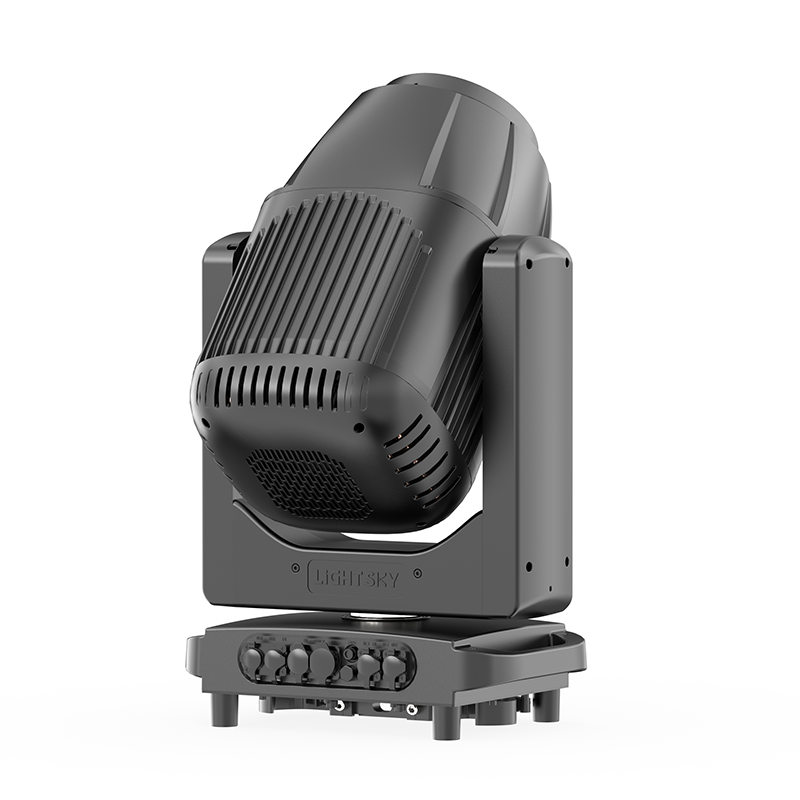
Plan for cooling clearances and access to fans and lamp modules. Specify locking power connectors and tie-in points for safety cables. Integration with lighting desks requires stable DMX or Art-Net configurations; assign dedicated universes for moving fixtures to avoid channel conflicts. When fixtures are part of a long-term inventory, keep a spare optics kit and a single replacement control board—these small parts prevent show-stopping failures.
Three golden rules for choosing moving head solutions
1) Match beam angle to sightlines: pick a narrow beam for long throws and a wider lens for front washes. Measurable result: consistent lux at target areas across seating zones.
2) Prioritise color and gobo flexibility: choose fixtures with modular gobo wheels and RGBW or six-color engines for reliable skin tones under varied programming.
3) Evaluate lifecycle cost, not just purchase price: include maintenance, spare parts and the benefits of reduced rigging time when comparing options.
These rules lead to repeatable outcomes that stage managers and designers recognize as practical value. Light Sky provides fixtures and support that align with those needs—clear specs, sensible spares and service documentation that help keep shows running on time. –