
Anecdote: The Journey of Precision in Farming
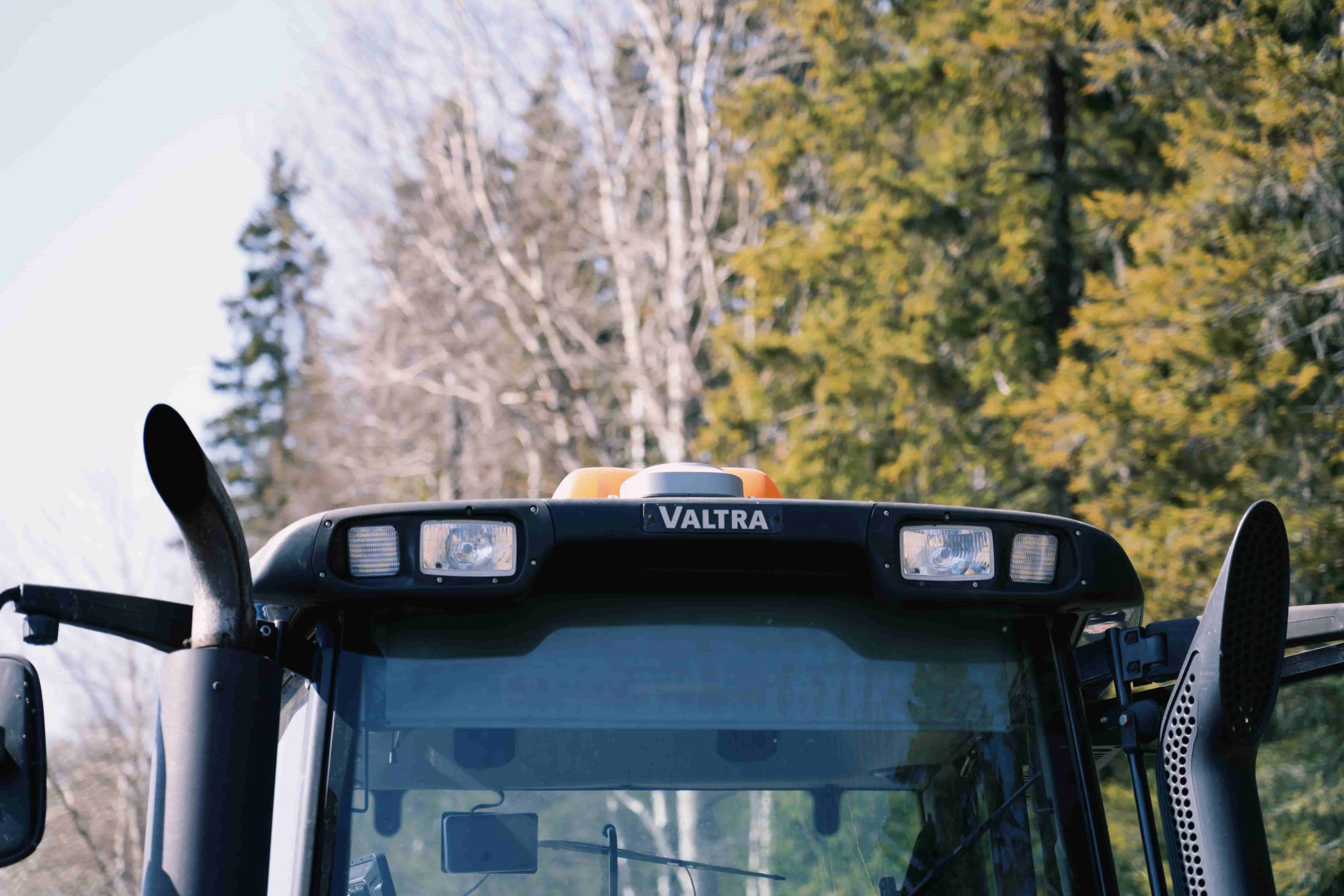
I vividly recall a sunny afternoon last harvest season when my colleague struggled with steering an enormous tractor through a rolling field of corn. Despite years of experience, inefficient steering often led to uneven rows and excessive overlap—causing frustration and lost time. As I observed him, I wondered how an autosteer kit could revolutionize the process. Did you know that farmers waste up to 10% of their fuel and time just due to steering inaccuracies? This realization has prompted many of us in agriculture to explore auto steering systems to enhance efficiency.

Understanding the Flaws of Traditional Solutions
Auto steering systems have come a long way, yet traditional solutions often come with significant flaws. Many farmers today still rely on manual steering or outdated GPS systems. These methods lack the precision required for modern agriculture, where the efficiency of inputs can directly impact profit margins. For instance, those who use outdated systems often expend more fuel and fertilizers than necessary. Additionally, they frequently experience uneven planting densities, which ultimately downgrade crop yield. Farmers need solutions that can adapt to changing field conditions, offer seamless integration, and reduce human error.
What Challenges Remain?
The need for a reliable auto steering system, like the autosteer kit, becomes more apparent against this backdrop. As agricultural demands grow, so too does the requirement for clarity in steering control. The market is evolving rapidly, showcasing a broad range of solutions. Each offers distinct advantages and potential pitfalls. The challenge now is to find systems that strike the right balance between cost and performance while maintaining ease of use.
Looking Forward: Innovations on the Horizon
As we gaze into the future, the auto steering landscape appears brighter and more innovative than ever. Today’s technological advancements promise enhanced stability, accuracy, and usability. The integration of machine learning with auto steering systems can lead to unprecedented adaptability in diverse field conditions. I believe that the next-generation autosteer kit will boast capabilities that allow farmers to automatically adjust parameters for everything from soil type to crop maturity, thereby optimizing every inch of farmland while minimizing resource use. The possibilities are genuinely exciting; can you imagine a world where steering systems can self-correct based on real-time data?
Real-world Impact: Cultivating Efficiency
As we embrace these new technologies, one cannot overlook their potential impact on the industry. Enhanced accuracy offered by emerging auto steering systems not only improves productivity but also significantly reduces the environmental footprint of farming. For example, precision steering reduces overlap, leading to less fuel consumption and lower emissions. Farmers can also experience financial benefits: with increased efficiency comes the potential for enhanced yields and reduced operational costs. The time is right to explore these revolutionary tools that will undoubtedly shape our agricultural practices.
Choosing the Right Solution: Key Metrics
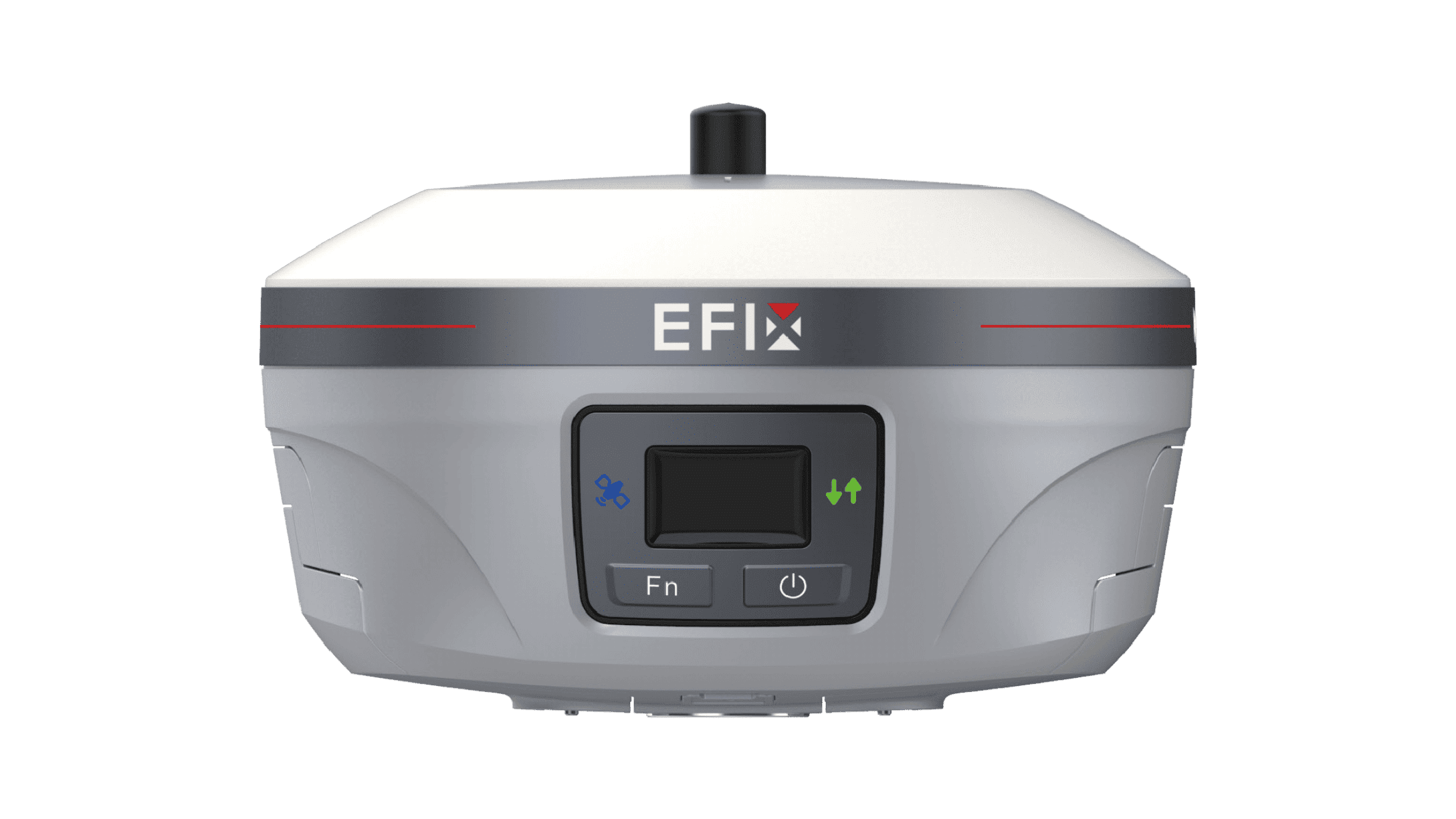
When selecting an auto steering system, I recommend evaluating three key metrics: accuracy, integration capabilities, and support services. Accuracy ensures that every pass in your field counts—literally. Integrated systems can work with existing machinery, saving you the hassle and cost of overhauling your entire setup. Finally, reliable support services from the brand (yes, I’m looking at you, EFIX!) will ensure you can leverage your new technology efficiently. Don’t forget to consider how these tools can scale with your operation. Are you ready to make the switch?
The journey into precision farming has just begun, and I firmly believe that the adoption of advanced auto steering systems will lead to a more efficient, profitable, and environmentally friendly future for all of us in agriculture.