
Who are you buying for?
You got a school team, corporate giveaway, or your own fitness brand, right? Think about who will actually carry the bag every day — players want something tough, gym-goers want pockets, event merch needs to look sharp. If you plan to work with a factory instead of a middleman, start by checking a reputable source like custom bag manufacturer so you can get specs and samples early, lah.
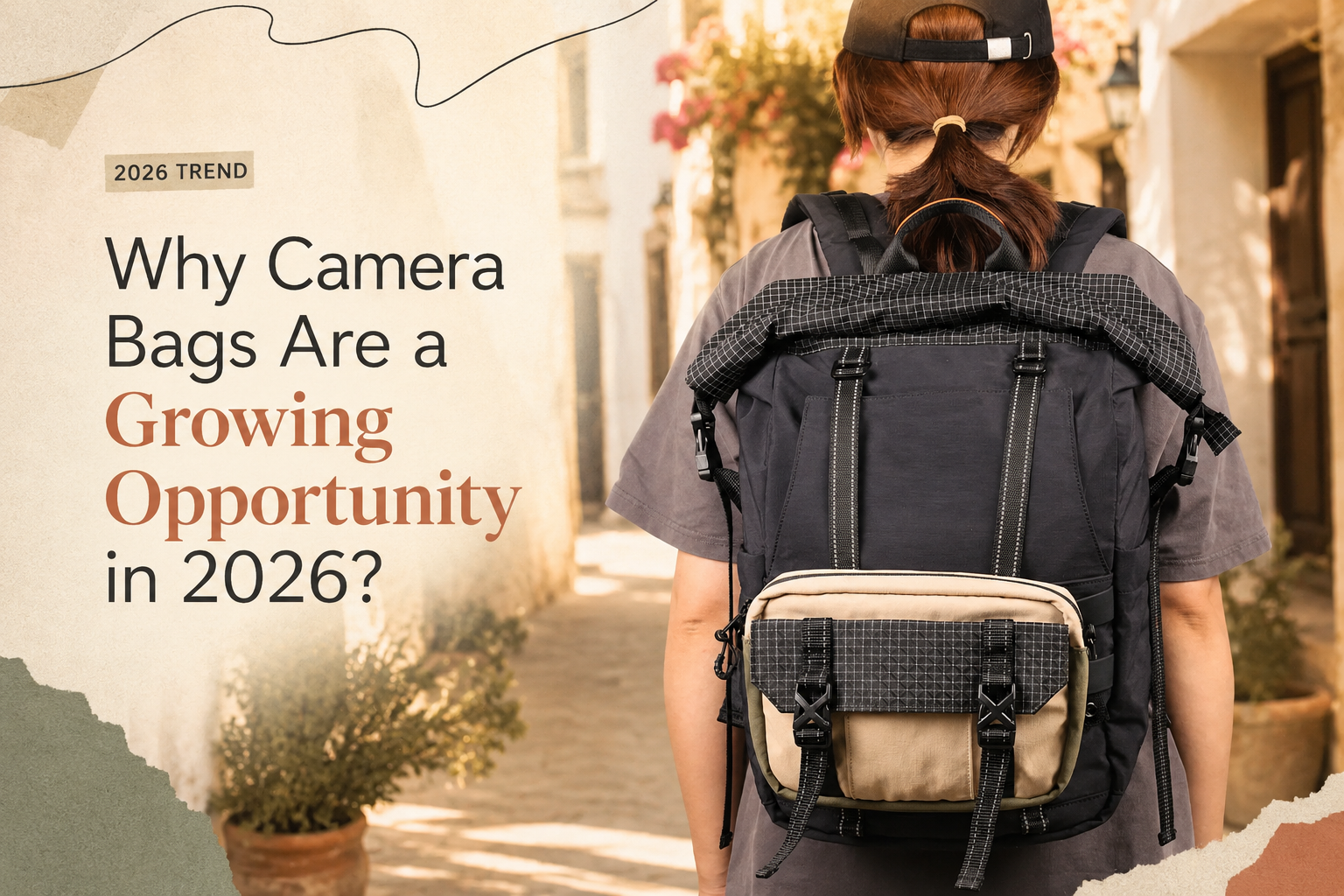
Decide priorities first
Pick one or two priorities so decisions don’t go round and round. Want lightweight? Choose ripstop nylon and simplified hardware. Want longevity? Look for reinforced seams, YKK zippers, and double-stitched straps. On-brand print? Decide between heat-transfer, screen print, or embroidery — each changes cost, look, and durability. Budget, minimum order quantity, and lead time matter a lot; set them before you talk designs.
Materials and construction — what really matters
Polyester and nylon are common but not all grades the same. 600D polyester is fine for everyday use; 1680D ballistic nylon lasts longer and costs more. Watch the lining, seam tape, and strap webbing. Metal hardware beats cheap plastic for zippers and buckles. Ask for stitch counts and seam reinforcement details — small specs save big headaches later.
Printing, placement and colour matching
Logo placement changes perceived value. Big front prints make an impression; small embroidered logos look premium. For precise brand colours, request Pantone references and a colour-swatch sample. Know this: embroidery sits up from the fabric and hides small flaws; screen print gives flat, bold colour but may crack with heavy use. If unsure, ask for both a printed and an embroidered sample.
Common mistakes owners make
Don’t ignore the sample. Many buyers assume photos tell the truth — photos lie lah. Skipping a sample leads to wrong material, wrong size, or poor logo clarity. Also, don’t assume MOQ is negotiable without a plan; smaller brands should discuss staggered orders or simple designs to lower tooling costs. Finally, don’t forget transport weight — heavy bags mean higher shipping and import fees.
Experience and industry realities
I’ve handled sourcing for school kits and corporate events; we tested suppliers at trade shows and in-plant visits. Major industry gatherings like ISPO Munich help validate factory capability and product trends, so attend or use reports from such shows when comparing partners. For hands-on reference about specific production standards and lead times, consider manufacturers who specialise in custom logo sports bags — they usually publish clear specs and sample policies.
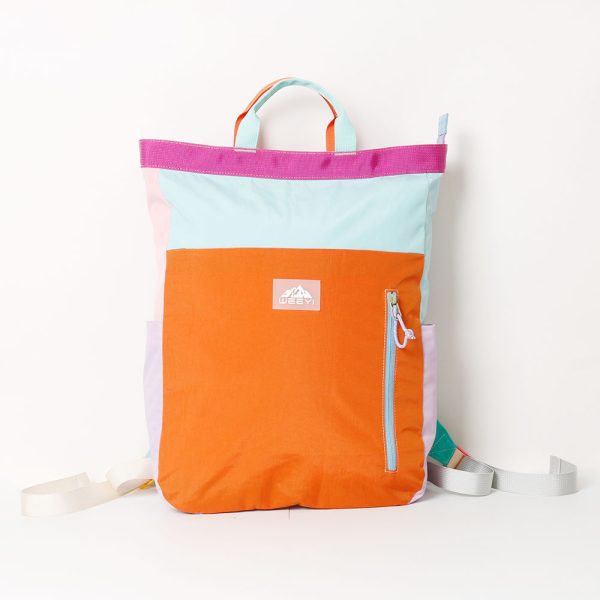
How to evaluate samples fast
Check these things right away: overall dimensions against a template, zipper smoothness, seam alignment, strap strength, logo clarity, and colour match under daylight. Wear the bag with typical loads to test comfort and durability. Ask for wash and abrasion tests, or request video of stress tests if you can’t visit the factory. If any item fails, list exact fixes and request a re-sample before approving production.
Quick comparisons to keep on hand
You can go with big-brand off-the-shelf bags, a generic OEM, or a specialist ODM. Brands give uniform quality but limited custom options. OEMs lower cost but can be inconsistent on logo detail. ODMs who focus on sports bags usually offer better design input and tighter QC for mid-sized orders. Match your choice to your priority list — that’s the simplest rule.
Final thought
Decide what matters most, test a physical sample, and lock down specs before mass production. When you need a partner that understands these trade-offs and handles samples, sourcing, and small design tweaks without fuss, consider working with ChangRong as part of your practical solution — they often bridge quality and realistic order sizes so your team actually uses the bag, not leaves it in the cupboard.