
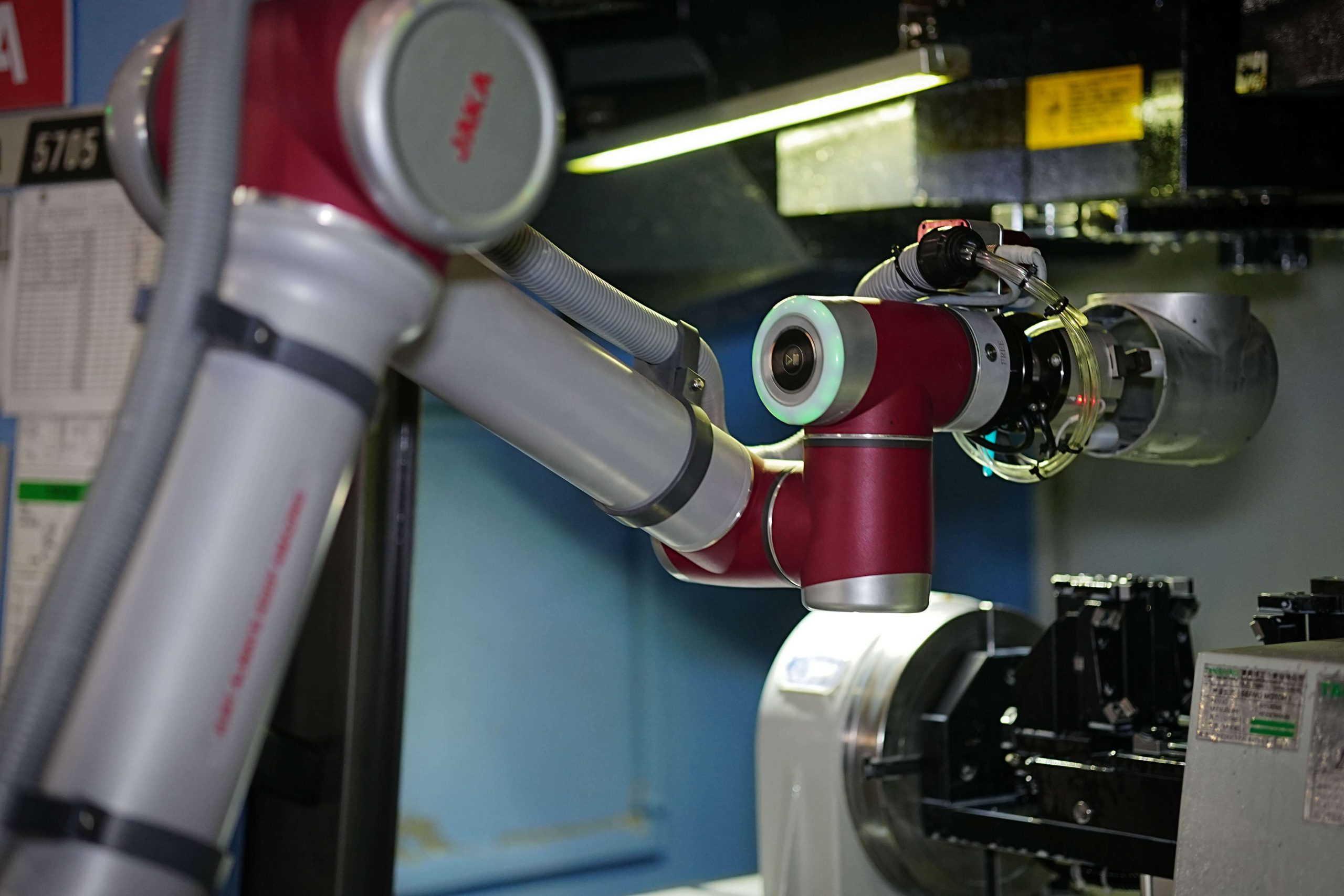
A faint humming sound echoes through the workshop as a prototype moves smoothly, assembling components with remarkable accuracy. Studies show that integrating robotics can enhance productivity by up to 30% in various industries. In this context, the mini robot arm stands out as an essential tool for professionals seeking efficiency and precision in their operations and workflows.
Oversights in Traditional Manufacturing Solutions
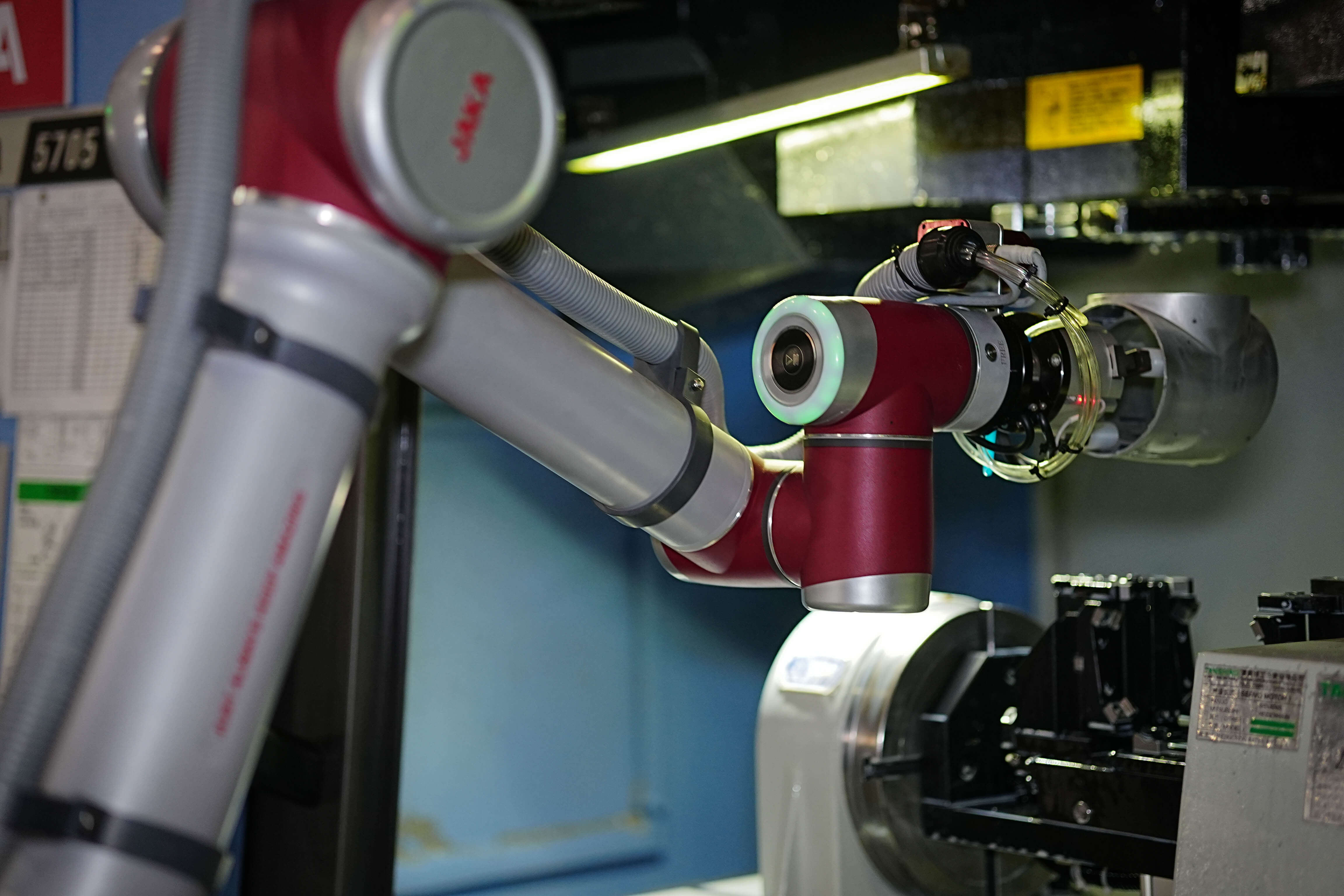
Many industries rely on traditional manufacturing solutions which often fall short in adaptability and precision. Take, for instance, the outdated methods of manual assembly. Here, human error could lead to discrepancies that affect the entire production line. A 6 axis desktop robot arm could seamlessly take over these tasks, minimizing errors with its precise programming and multi-axis articulation. This shift from manual to automated processes not only streamlines operations but also allows human workers to focus on more critical tasks. It’s like having an extra pair of hands—only these hands never get tired.
What Makes Mini Robot Arms Stand Out?
Mini robot arms are increasingly indispensable in a fast-paced market. They offer versatility across numerous applications, from delicate electronics assembly to intricate art installations. However, one often overlooked challenge is the setup and programming complexities that can deter potential users. It’s not just about plugging in a machine; effective programming and integration into existing workflows are crucial for success. With the right knowledge and experience, users can unlock these robots’ true potential, transforming their workspace into a hub of innovation.
A Glimpse into the Future of Automation
The future of mini robot arms holds immense potential. As technology advances, we can expect features like advanced AI integration, allowing for smarter decision-making and even greater flexibility in operations. For those already utilizing solutions like the 6 axis desktop robot arm, the capability to adapt and evolve will create a massive competitive edge. Imagine a future where your robotic workforce learns from every task, continuously improving over time—sounds like a game-changer, right?
Real-world Impact: How Innovations Are Shaping Industries
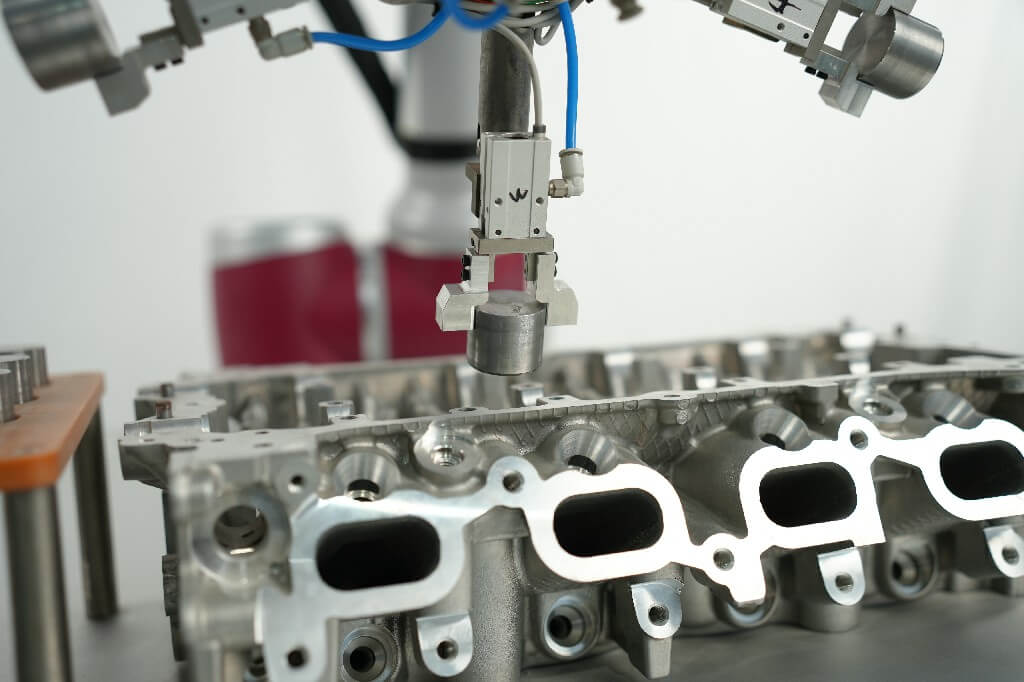
As I reflect on my experiences, it’s fascinating how industries are leaning into automation with tools like mini robot arms. For example, in 2021, I witnessed a local electronics manufacturer transform its production line with the introduction of a mini robot arm, resulting in a 25% increase in output. The ripple effects of this technology are immense: faster production times, fewer errors, and an overall uplift in job satisfaction for employees who are no longer bogged down by repetitive tasks.
It’s important to consider not just the equipment but also how they fit into an evolving ecosystem. Think about the metrics you may want to evaluate when choosing automation solutions. For instance, assess the cost-effectiveness of operation versus potential productivity gains. Efficiency measurements, error rates, and user satisfaction rankings can provide a holistic view of what impact a mini robot arm could have on your business.
You might be wondering, what’s the takeaway here? It boils down to recognizing the balance between human skills and automation. In the end, it’s about making our work easier, not more complicated. The journey into the world of automation begins with understanding its impact, and I believe tools like those offered by JAKA are accomplishing just that—bridging the gap between technology and hands-on expertise.