
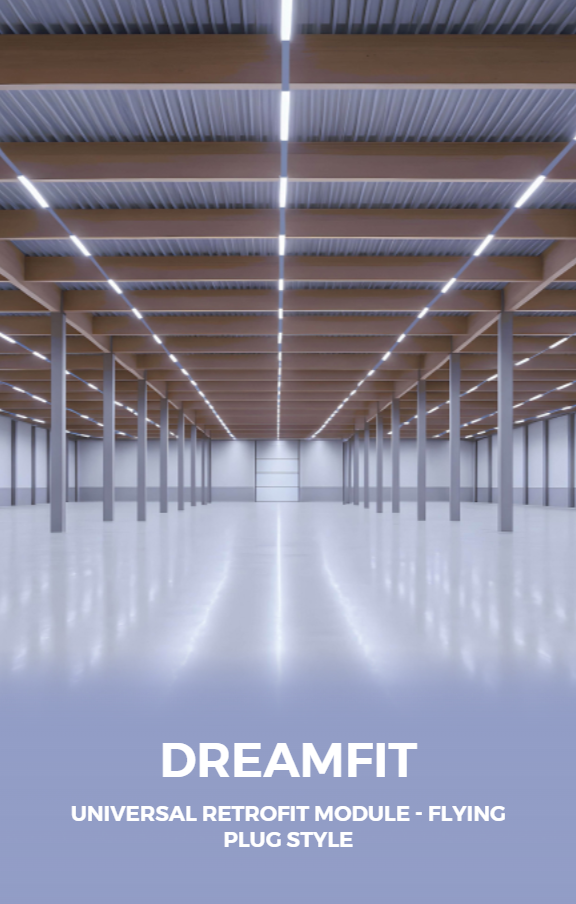
Why the ceiling causes more bother than it’s worth
Right, let’s not faff about — bad ceiling lighting means poor visibility, higher bills and annoyed staff or customers. Start with the problems you see every day: glare over workstations, dark racking aisles, and patchy light across customer areas. If you’re fitting display tracks or sprucing up a shopfront, you’ll often end up talking to track lighting manufacturers early on, and that’s a good thing — they know where pinch-points show up.
The common, recurring headaches
Here’s what keeps electricians, facilities folk and store managers scratching their heads:- Uneven light: a bright patch here, a murky patch there; productivity drops.- Wrong colour: bluish LEDs in a clothing shop or warm bulbs in a workshop — both look daft.- Maintenance downtime: hard-to-reach fittings that take hours to change.- Compatibility: old gear that doesn’t play ball with new LED drivers or sensors.Tackle these problems first and you’ll save time and money later.
Practical checks before you buy
Don’t buy on looks. Check these straight away:- Required lux levels by task (machine benches, aisles, tills).- Colour temperature and CRI — aim for CRI ≥80 for most retail; ≥90 for true-colour tasks.- IP and IK ratings for dusty or rough areas.- Tilt and beam options — narrow beams for product spotting, wide for general coverage.Write the answers down. If you can’t get them, don’t order.
Retrofit versus full fixture replacement — the real choice
There’s no one-size-fits-all. Retrofits save money short-term but can cause fitment or thermal issues if you rush. Full replacements cost more upfront but give consistent drivers, optics and warranties. A municipal retrofit in Bristol showed how a planned swap-out reduced complaints and simplified maintenance, simply because the installers matched optics to task, not just wattage. For many sites, a mixed approach — targeted full replacements in critical areas, retrofits where access is tight — is the sensible route. When you’re thinking retrofit, consider led lighting retrofit solutions that specify drivers and thermal management upfront.
Which fixtures suit each space
Match fixture to task, plain and simple:- Industrial (warehouses, workshops): high bays with good lumen maintenance and wide beams; emergency lighting clarity is vital.- Retail (shops, galleries): track fixtures and adjustable spots for displays, plus linear ambient fittings for aisles; high CRI and controllable beams.- Commercial (offices, lobbies): uniform linear or recessed panels with low glare and integrated controls.Pick fixtures that make the job easier for staff — not the ones that look flash on a spec sheet.
Controls, sensors and the usual installation traps
Controls cut bills if used right; wired daylight dimming and occupancy sensors stop lights being left on. Common traps:- Overzealous dimming that ruins display colours.- Sensors placed where heat, dust or forklift traffic cause false triggers.- Mismatched drivers that stop dimming from working.Plan controls with the electrician and test them in-situ before signing off.
What installers and spec-writers often miss
Small things become big problems: insufficient access for future lamp changes, missing surge protection for areas with heavy machinery, and assuming lumen output translates to perceived brightness. Also check warranty details for lumen depreciation (L70/L80) and who handles replacements — that saves sheepish phone calls later.
Quick checklist to hand to your installer
Give them this and you’ll be sorted:- Task-based lux targets.- Desired CRI and colour temperature for each area.- Maintenance access notes and preferred warranty length.- Controls behavior: daylight dimming, occupancy zones.- A sketch of mounting heights and any obstructions.This keeps the job tidy and stops arguments when the lights go in.
Bringing it together
Sort the problems first, pick fixtures by task, and plan controls and maintenance like you mean it. Get the basics right — optics, CRI, access and driver compatibility — and you’ll avoid the common messes that chew up time and cash. If you want a practical partner who matches spec to site and doesn’t trade on waffle, consider how trieco approaches projects: focussed on solving the real issues under the ceiling, not selling shine for shine’s sake.