
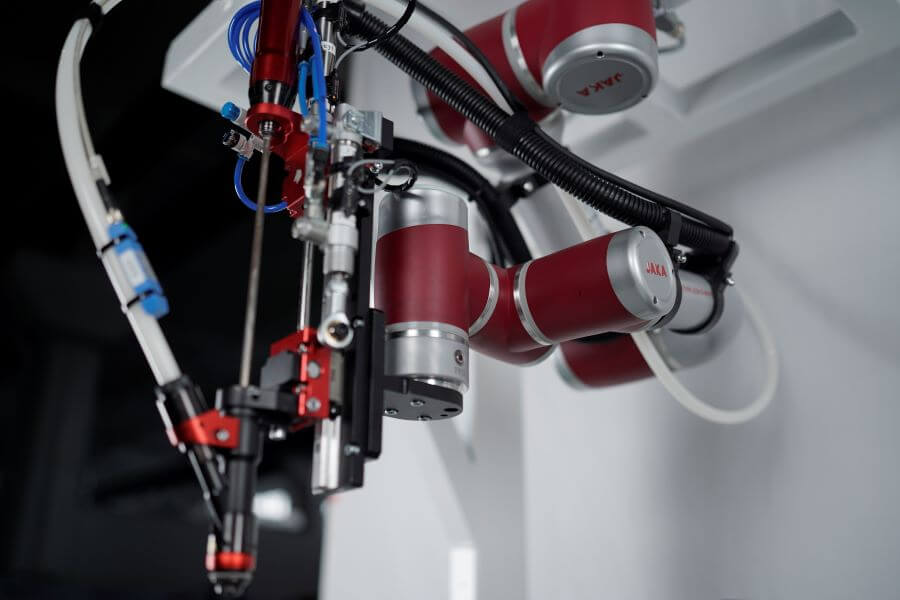
Understanding the Landscape of Polishing Robotics
Ever walk into a showroom and been struck by the sheer shine of the floor? It’s enchanting, isn’t it? Now, let’s add some data here: studies show that up to 90% of potential customers are influenced by the cleanliness of a space. But, what if I told you that a polishing robot could be the unsung hero behind that glossy finish? With my years of experience, I’ve often seen traditional cleaning methods fall short. What are the hidden pitfalls in our conventional approaches to polishing? That’s what I’m excited to explore!
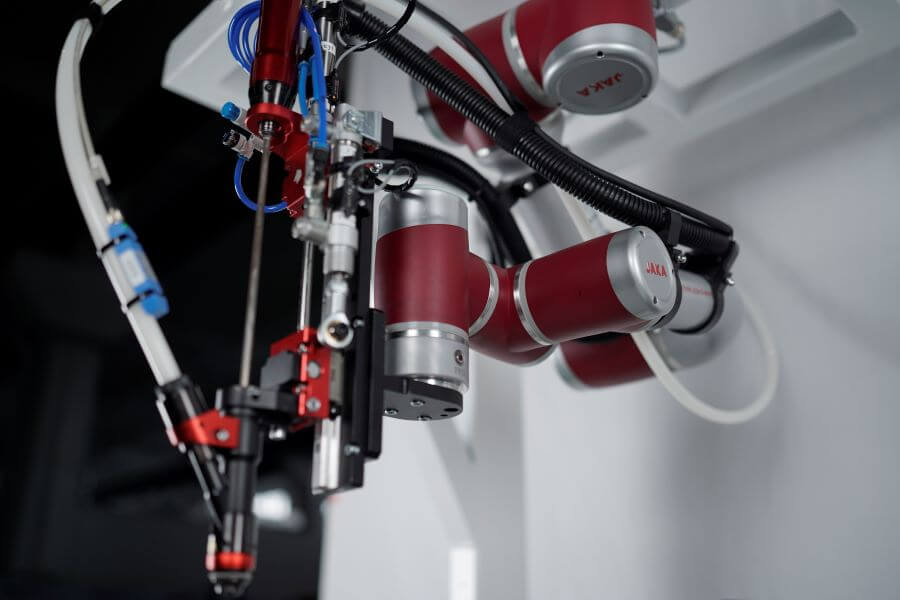
The Flaws in Traditional Solutions
I vividly recall walking through a manufacturing plant where manual polishing was considered the norm. The grinding sounds were deafening, and the process—oh boy, it was slow! Inevitably, corners were cut, resulting in uneven surfaces and wasted time. If you’ve ever dealt with such issues, you’re not alone. The truth is, while human labor has its place, using a polishing robot introduces precision that mere mortals just can’t replicate. With advancements in technology, these robots use sensors and software to guarantee a continuous, flawless finish without breaks or hesitation. That’s the future of polishing! Now, let’s dive into what makes these robots truly remarkable.
What Makes Polishing Robots Stand Out?
The magic lies in their flexibility and efficiency. Imagine having a robot that can adapt to different surfaces, whether it’s marble, wood, or tile. A recent project I worked on in a luxury hotel showcased a polishing robot that flawlessly handled various flooring types, reducing labor costs by over 30%. These robots don’t just save time; they also ensure quality, lowering the chances of irritating customer complaints due to uneven finishes. And let’s be honest—who wants that headache? In today’s fast-paced world, embracing new technology has never been more critical.
The Bright Future: Robotics in Polishing
As we look ahead, one thing is crystal clear—the polishing industry is evolving, and those who resist this change might find themselves left behind. The ongoing development of AI and machine learning in polishing robots means they will continue to enhance their capabilities with every use. For instance, I occasionally see robots that can even learn the specific needs of a space over time! Now, how cool is that? By integrating a polishing robot into your routine, you’re not just investing in maintenance; you’re investing in growth potential.
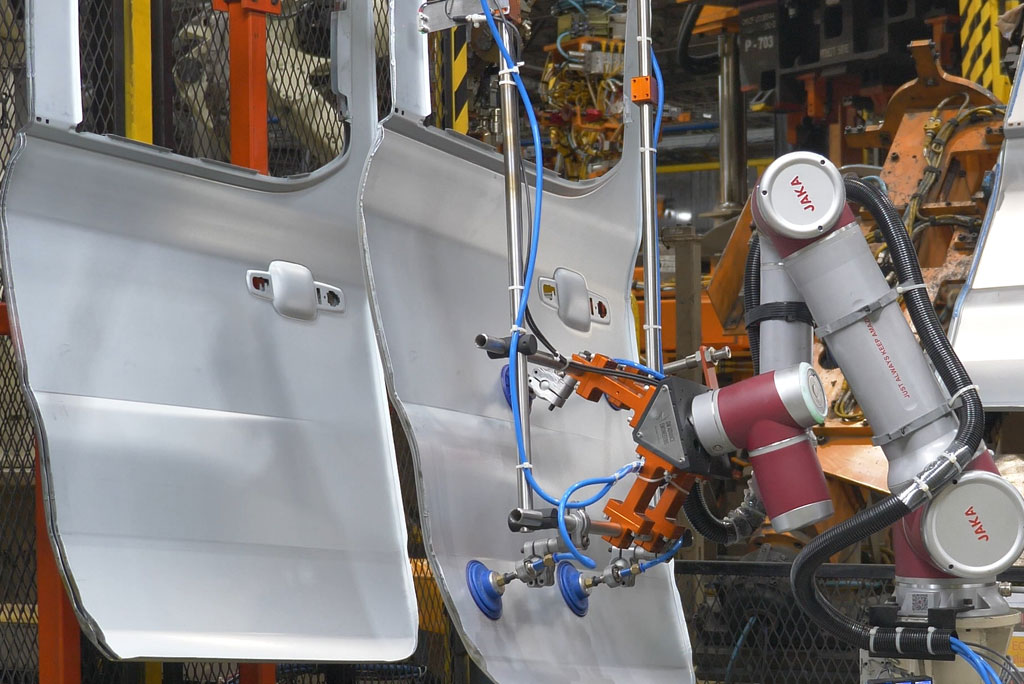
Real-World Impact: Cost vs. Quality
Let’s talk about real results. Research indicates businesses that adopted robotics saw an average increase in efficiency by up to 50%. This is where you can cut down your long-term costs while ensuring exceptional quality. Personally, I’ve watched several businesses transform due to smarter investments in automation. It’s refreshing to see the shift toward embracing innovative solutions—it’s about time we left inefficient methods behind, don’t you think?
Key Takeaways: Evaluating Your Options
In summary, the journey I’ve taken through the polishing landscape has taught me how crucial it is to understand the limitations of traditional methods. Invest wisely and consider integrating polishing robotics into your operations. Key evaluation metrics to ponder are efficiency improvement, cost-saving potential, and the ability to adapt to different tasks. By doing so, you not only enhance your business’s reputation but also lighten your workload. In the end, wouldn’t you prefer shining results rather than battling dull surfaces? Look into options at JAKA and see how they can transform your workspace today.