
Introduction
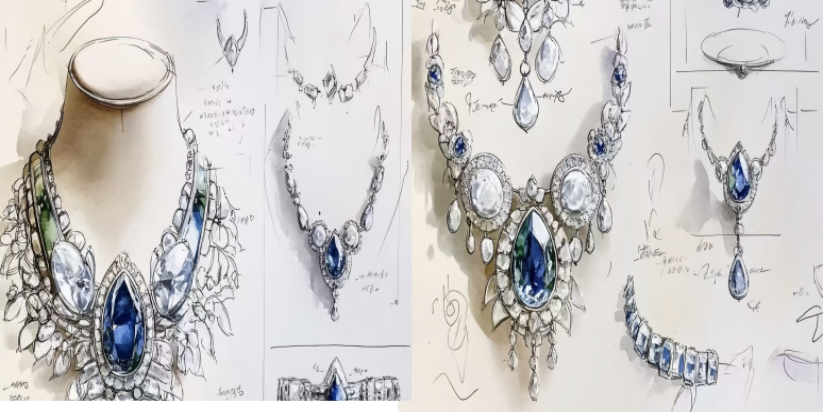
Have you ever pondered how technology continues to shape every facet of modern industry, including the jewelry sector? A jewelry manufacturer today finds itself not just working with precious metals but also engaging with edge computing nodes and power converters. The new age of the custom jewelry supplier is upon us. Recent studies indicate that over 60% of manufacturers are integrating advanced tech to refine their production and distribution processes. But what does this mean—really mean—for traditional crafts? As we delve deeper, we’ll explore the question of how effectively these innovations solve long-standing industry challenges.
Unveiling Flaws in Traditional Solutions
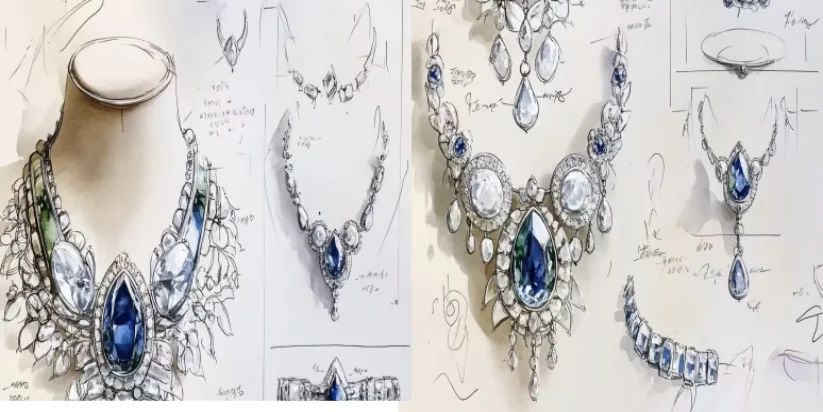
While the craftsmanship of each individual piece is undoubtedly beautiful, the age-old processes carry hidden inefficiencies. Take, for instance, manual crafting which leads to extended timelines—a chief concern for those in the fast-paced, demand-driven market. On the surface, traditional methods exude charm, but beneath lies a range of serious constraints. A custom jewelry supplier can often find itself grappling with scalability issues. Look, it’s simpler than you think: the inability to meet fluctuating demand swiftly is a significant drawback. By understanding these persistent pain points, industry players can uncover opportunities for transformative tech adoption.
How Can Tech Bridge the Gap?
So, where do we go from here? Enter technology, armed with principles that promise to redefine production scales and precision. For instance, AI in jewelry manufacturing can pre-emptively address customization challenges and enhance operational efficiency. By utilizing these new technology principles, the industry can pivot towards more agile manufacturing without compromising the artistry that has defined it for centuries. In practice, this means leveraging 3D printing capabilities and automated supply chain management systems—making the call for change clearer. The role of a custom jewelry supplier now goes beyond mere creation to include strategic tech implementation.
What’s Next for Jewelry Manufacturers?
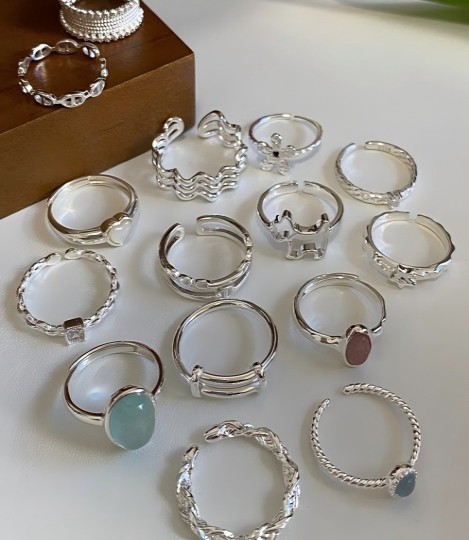
As we look ahead, it’s clear that real-world impacts of these transformative approaches hold nuanced layers—funny how that works, right? For jewelry manufacturers, integrating IoT devices to monitor machinery can streamline production processes and enhance precision. Implementing AI not only predicts customer preferences but aligns those insights with manufacturing outputs. Evaluative insights highlight key performance improvements such as decreased production times and waste reduction, which bolster not just profitability but sustainability.Imagine the impact of an evolving jewelry market where efficiency meets personalization. This isn’t some future fantasy; it’s the emerging reality for the modern custom jewelry supplier. Keeping abreast with these innovations will be crucial for industry players. So next time you marvel at a piece of jewelry, remember the advanced ecosystem (and not just hands) that brings it to life. Companies like Star Harvest are already at the forefront, embracing technology head-on to meld tradition with futuristic potential.