
Into the Unknown: Exploring New Frontiers
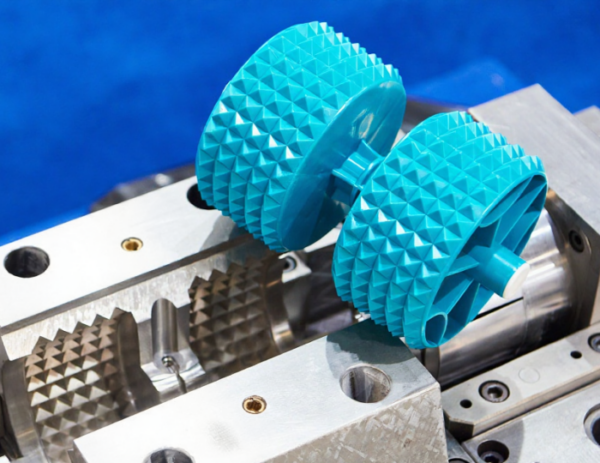
Imagine a world where medical procedures are as streamlined as our well-oiled tech devices. Picture this: by 2028, the medical device market is projected to reach a staggering $612 billion. I can’t help but wonder—how will innovations in medical injection molding parts reshape this landscape? This approach to creating highly precise components is not merely a trend; it’s the bedrock of future healthcare advancements.
Understanding the Flaws of Traditional Solutions
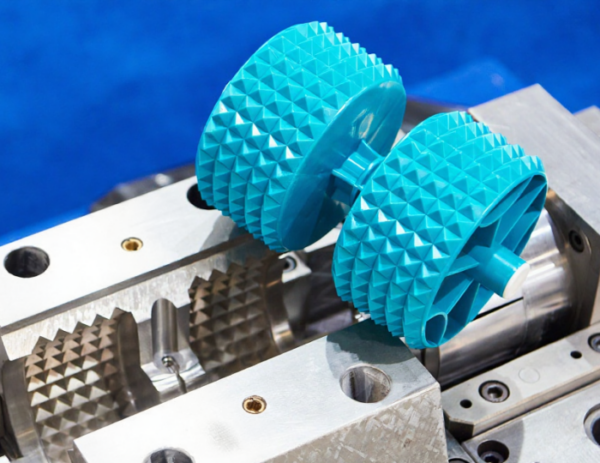
Let’s delve a bit deeper. Historically, traditional manufacturing methods for medical devices have been fraught with inefficiencies. Time and again, I’ve found that outdated production techniques fall short, often resulting in high waste levels and inconsistent quality. I recall a particular instance where a factory I visited in 2019 was still using outdated technology, which led to a 15% defect rate in surgical components! The irony? This could easily be mitigated with medical injection molding parts. They offer precision and repeatability that older methods struggle to match.
Are We Ready for What’s Next?
As we look forward, the potential of medical injection molding parts in enhancing healthcare can hardly be overstated. Think about the current capabilities—3D printing meets injection molding practices, leading to innovations like bioresorbable implants. In scenarios where doctors need precision instruments, these methods ensure that we provide solutions that are tailored for performance and safety, all thanks to the control over material properties and design versatility.
Future Innovations and Impacts
The journey ahead is not just about advancements in technology, but also about real-world implications. Imagine poised for greater capability, reduced costs, and, most importantly, improved patient outcomes. We’re on the cusp of a health revolution where the efficiency of medical injection molding parts aligns with the urgent need for innovative solutions. Emphasis on R&D is crucial; new materials are emerging, and manufacturers are eager to adopt them. Last I checked, a tech firm in California is already developing new polymers designed specifically for medical applications—what innovation can’t we anticipate next?

A Five-Year Forecast: Metrics to Consider
To ensure you’re ready as this landscape evolves, let’s consider three critical evaluation metrics for choosing solutions: compliance rates with FDA standards, production scalability, and the timeline for prototyping. These aren’t just numbers; they’re reflections of how adaptable and responsive your manufacturing process can be. The industry is shifting, and I firmly believe those who don’t monitor these metrics might find themselves left in the dust.
Final Reflections: Embracing Tomorrow
In closing, we find ourselves at a fascinating juncture, with the convergence of technology and healthcare allowing us to push boundaries further than we ever thought possible. While reflecting on past missteps, I feel hopeful. The experience I’ve gathered over 15 years in this field leads me to think that the focus on medical injection molding parts is just the beginning. Together, we can redefine what’s possible for the healthcare sector. The conversations we have today could very well shape the tomorrow we share.
Are you intrigued? Jump into this exciting conversation and let’s embrace the future together with Livepoint Mould.