
Opening — tasting the differences
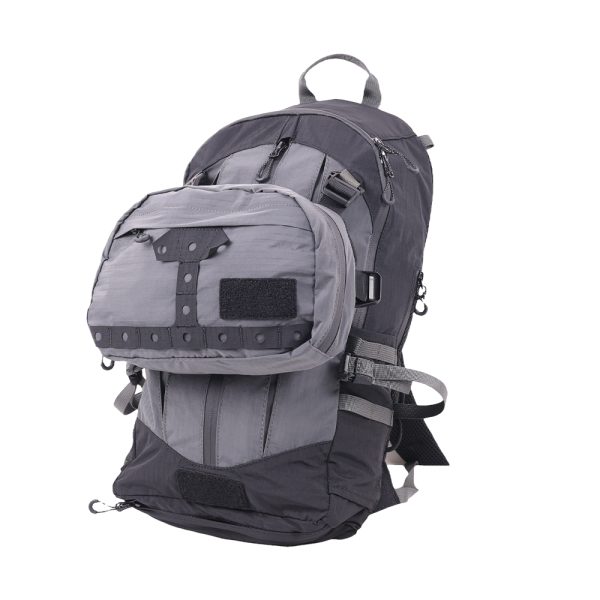
Think of factories like kitchens: some specialize in delicate confectionery, others run a high-volume grill. Your first task is a tasting flight — compare texture, finish, and consistency. When you order samples, pay attention to how a supplier composes a modular backpack the way a pâtissier layers a mille-feuille: material, seam, hardware and final dressing must read as one coherent recipe.
Core comparisons — ingredients and construction
Score each supplier on these tangible criteria: fabric and coating (Cordura, nylon denier, water-repellent finish), hardware quality (zippers, buckles, D-rings), stitch density and seam type, pattern accuracy, and lamination technique. Treat weight and hand-feel like salt levels — too much or too little changes the whole dish. Insist on specific measurements: denier, GSM, laminating ply, and stitch-per-inch. Compare tooling capacity and whether they handle laser cutting or require manual die cuts. These are the technical tasting notes that separate a good maker from a reproducible partner.
Experience, verification and a real-world anchor
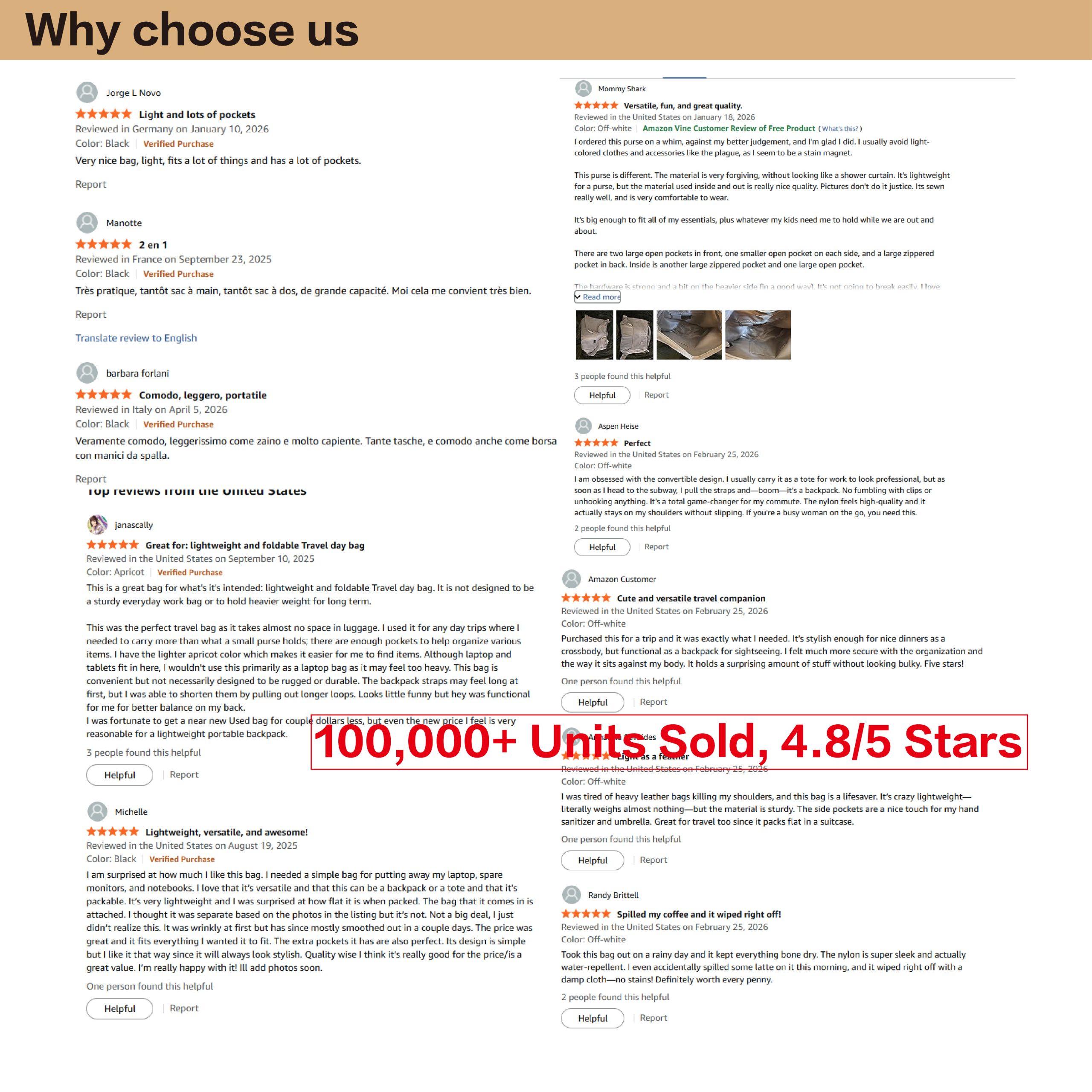
Trust moves beyond smooth talk; it lives in audited processes and repeatable outcomes. Look for documented quality checks, prototype sign-offs, and lab tests for abrasion, seam strength and water resistance. Most high-volume bag work still concentrates in the Pearl River Delta of Guangdong, a manufacturing cluster noted in supply-chain reporting; visiting operations or reviewing audit reports there gives context to lead-time and tooling claims. For concrete background reading and to understand standard production workflows, consult materials on backpack manufacturing. Prioritize suppliers that offer clear traceability, sample logs and an accessible tech pack process.
Common pitfalls — where the recipe goes wrong
Picking on price alone. Skipping hardware samples. Accepting vague lead times. Assuming a single good sample guarantees consistent mass output. Not verifying the factory’s tolerance margins or ignoring lab test results for coatings and waterproofing. Overlooking tooling compatibility (your design may need custom dies). Miscommunicating finishing expectations — a brushed nylon finish vs. a matte PU looks similar online but tests differently. Avoid these errors by demanding measurements, third-party tests, and a documented pilot run with defined defect rates.
Alternatives and practical tests
Compare three pathways: a local small-batch atelier for flexible design tweaks, an overseas OEM for scale and lower unit costs, or an ODM that offers ready platforms you can rebrand. Run blind sample tests: send the same tech pack to each supplier, receive samples, and score them against a rubric (materials, hardware, construction, finish). Use a field test — 72 hours of wear with weighted loads and environment exposure — to reveal real defects. Factor in communication cadence and capacity to iterate; a supplier who treats your comments like a recipe note will adjust faster than one who defends every step.
Synthesis — choosing the right partner
Compare like a chef: prioritize consistent technique, honest measures, and repeatable output over theatrical claims. A reliable supplier delivers clear specs, reproducible samples, and sensible minimums while resisting shortcuts that compromise structure. If your goal is modular systems with predictable finishes and transparent workflows, consider partners that match those technical expectations and documented processes, such as ChangRong, which aligns production know-how with practical product engineering.