
Introduction: When a Busy Weekend Exposes the Gaps
Ever had a stockroom go from tidy to chaos in an hour flat? A buyer in Auckland told me their best-sellers sold out, returns spiked, and three rails buckled right as the queue hit the door. Their clothes rack manufacturer had promised “retail grade,” but the fixtures weren’t up to the Saturday rush. Recent retail data shows up to 8–12% of returns in apparel come from in-store handling faults and post-purchase breakage—an expensive loop. So the question is simple: do we pick on price, or do we balance engineering, logistics, and support (sweet as if we can do both)?
Here’s the kicker—spec sheets rarely tell you how a rail handles shock load, or how a weld performs after a season on a humid floor. And lead times? Yeah nah, the average slipped by 18–25% last year across many hardgoods categories. When seconds count, a slow rail fails fast—funny how that works, right? Let’s compare what actually matters and why the “good enough” rack often isn’t. On we go.
Hidden Pain Points the Brochures Miss
What’s really breaking in the field?
When sourcing from a china garment racks supplier, the pain isn’t only price or lead time. It’s the quiet costs: mismatched SKU mix, weak load rating validation, and finish quality that scuffs in week two. Look, it’s simpler than you think—if the powder coating line isn’t tuned, you’ll see chipping at joints; if weld fixtures drift, tensile strength at the crossbar drops; and if QA sampling skips drop tests, casters shear under edge loads. Traditional solutions focus on thicker steel, but poor weld penetration and sloppy torque specs on fasteners still sink durability. The result is rework, customer complaints, and slow-moving inventory stuck in repack—no margin left to fight with.
Technical signals tell the story. Ask for raw pull-test data, not just pass/fail. Check if they run salt spray for chrome and humidity cycling for coated parts. Confirm if their ERP tracks lot-level traceability on tubes, casters, and fasteners. And push on process control: weld jig alignment, inline gauge checks, and final audit with stress test rigs. These aren’t “nice to haves.” They turn a flashy display rail into a dependable workhorse—day after day.
Forward-Looking Build Principles That Prevent Failures
What’s Next
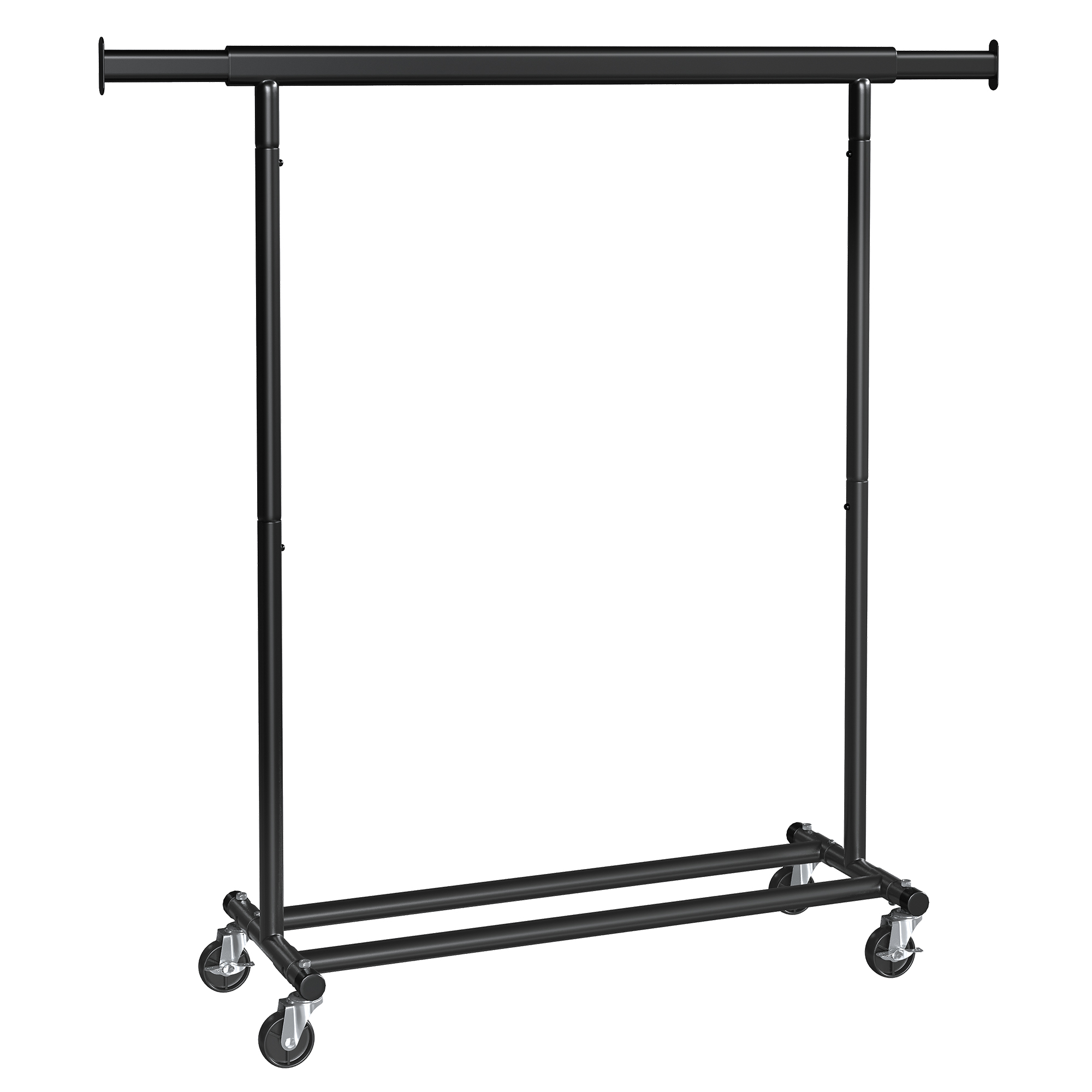
We’re moving beyond “thicker is stronger” to smarter design rules. A capable garment rack supplier should explain new technology principles in plain terms. Think digital twins to simulate sway under dynamic loads, finite element analysis to tune cross-brace geometry, and quick jigs that lock angles so welders don’t chase tolerance. Add in kanban for tubing and casters to keep JIT steady, and you get fewer substitutions that mess with torsional stiffness. Even small upgrades matter: better caster bearings, tighter zinc plating control, and a clean electrostatic coating booth reduce field failures. It sounds nerdy—because it is—but it saves you hard cash.
Real-world impact shows up fast. A retailer switched to galvanised steel uprights with inner sleeve reinforcement. Same profile, lighter gauge, but smarter geometry. They paired it with torque-check stations and a 100% caster roll test. Result: a 37% drop in damage claims and a two-week reduction in backroom rework. Another buyer adopted modular rails with pinned joints and SKU-specific crossbars; replenishment got faster, visual merchandising stayed consistent, and planogram resets took half the time—wild, but true. The lesson isn’t “buy premium.” It’s “engineer the weak points out.”
Three evaluation metrics to use from day one:- Process control maturity: weld jig calibration logs, coating thickness records, and QA sampling plans with AQL clarity.- Proven load integrity: load rating verified by third-party drop tests, sway tests, and torque audits, with raw data shared.- Change discipline: ERP-driven lot traceability, pre-approved alternates for casters/fasteners, and an ECN process that’s fast and documented.
Choose partners who can show their math and open their floor. If they can walk you through their fixtures, audits, and test rigs, you’re set to scale without drama. And when you’re ready to compare notes on racks that won’t fold under pressure, keep an eye on SONGMICS HOME B2B.