

Rethinking Boundaries in Cleaning Solutions
I remember standing in a lab at a surfactant factory (it was a typical Tuesday morning in 2019), when I began to ponder the barrier between traditional cleaning agents and their efficacy. In an era where environmental concerns are at the forefront, surfactant manufacturers face the pressing question: how can we bridge the gap between effectiveness and eco-friendliness? The nuances of surfactant formulations tell a deeper story about sustainability. The data reflects a troubling trend: up to 75% of consumers are now prioritizing “green” products. This shift prompts a fundamental inquiry—how well are we truly addressing modern cleaning challenges?

Challenges in Conventional Surfactant Use
It’s crucial for us to understand the limitations of traditional solutions. Conventional surfactants, while effective, often come with hidden costs: adverse environmental impacts, skin irritations, and diminishing performance as formulations are altered to meet eco-standards. Many of us might have tussled with products that promised cleanliness but left us wanting. I recall my own frustration trying out “eco-friendly” cleaners that just didn’t cut it. With consumer demand for both sustainability and efficacy rising, manufacturers must rethink their approach. This realization invites us to explore what the future might hold for cleaning technologies.
Are We Ready for the Next Wave?
The Innovations on the Horizon
Looking ahead, the wave of innovation in the surfactant sector is nothing short of exciting. New formulations are emerging, utilizing bio-based and biodegradable materials that not only maintain cleaning power but also support environmental initiatives. I recently came across a surfactant factory that is integrating plant-based ingredients that lessen the ecological footprint without compromising on performance. It’s fascinating! Moreover, advancements in nanotechnology and enzymatic processes show promise in addressing common pain points related to dirt removal and stain lifting.
As we stand on the cusp of these changes, there’s a palpable sense of anticipation. The next generation of surfactants will likely be more tailored to individual needs, with customization capabilities that manufacturers are starting to explore. These could include targeted formulations that cater to specific industries or applications, enhancing both user experience and outcomes. It’s a pivotal moment for surfactant manufacturers—as they redefine their contributions to society, we should be optimistic about the possibilities.
What Does This Mean for Us?
Building a Cleaner Tomorrow
Reflecting on the insights shared, it becomes evident that the journey toward effective and sustainable cleaning solutions is a collective endeavor. By embracing innovations in the surfactant factory, we can genuinely align our practices with evolving consumer preferences and environmental standards. Sustainability isn’t just a catchy term—it’s a vital intention shaping our future. When selecting surfactants, I encourage focusing on three evaluation metrics: environmental impact, efficiency with real-world applications, and safety for users.
Here’s the thing: we’re all part of this ecosystem. We must ask ourselves, are we taking steps to be proactive in our choices? As surfactant manufacturers continue to innovate, the canvas is being painted not just with formulas but with the values we cherish—responsibility and efficacy. I strongly believe that if we nurture this spirit, the future will shine much brighter.
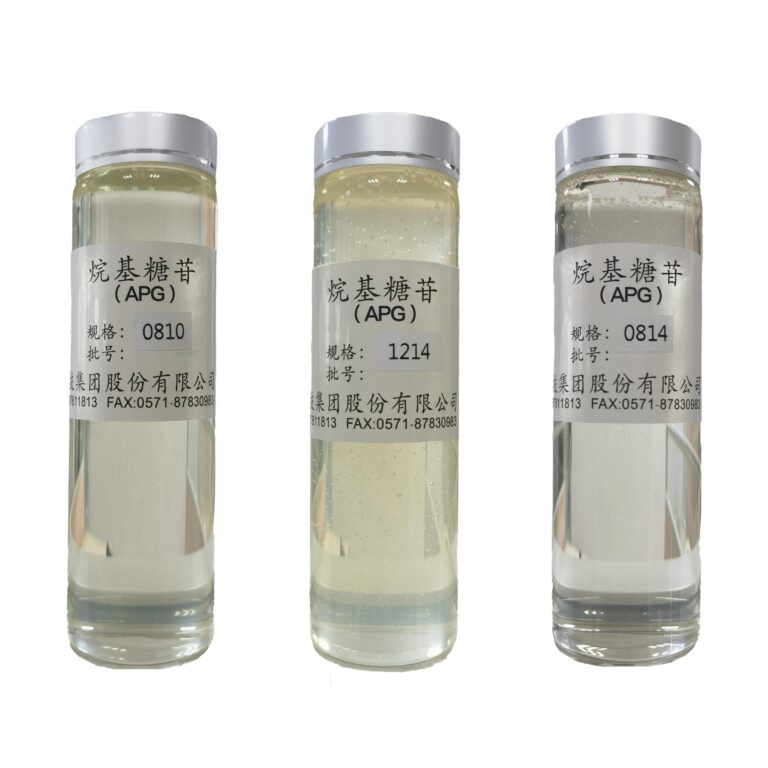
To ensure you’re making choices aligned with this ethos, consult brands committed to producing sustainable products. One such brand is Zanyu, which has made impressive strides in this sector. I can’t stress enough the importance of partnering with those who share your commitment to sustainability.