
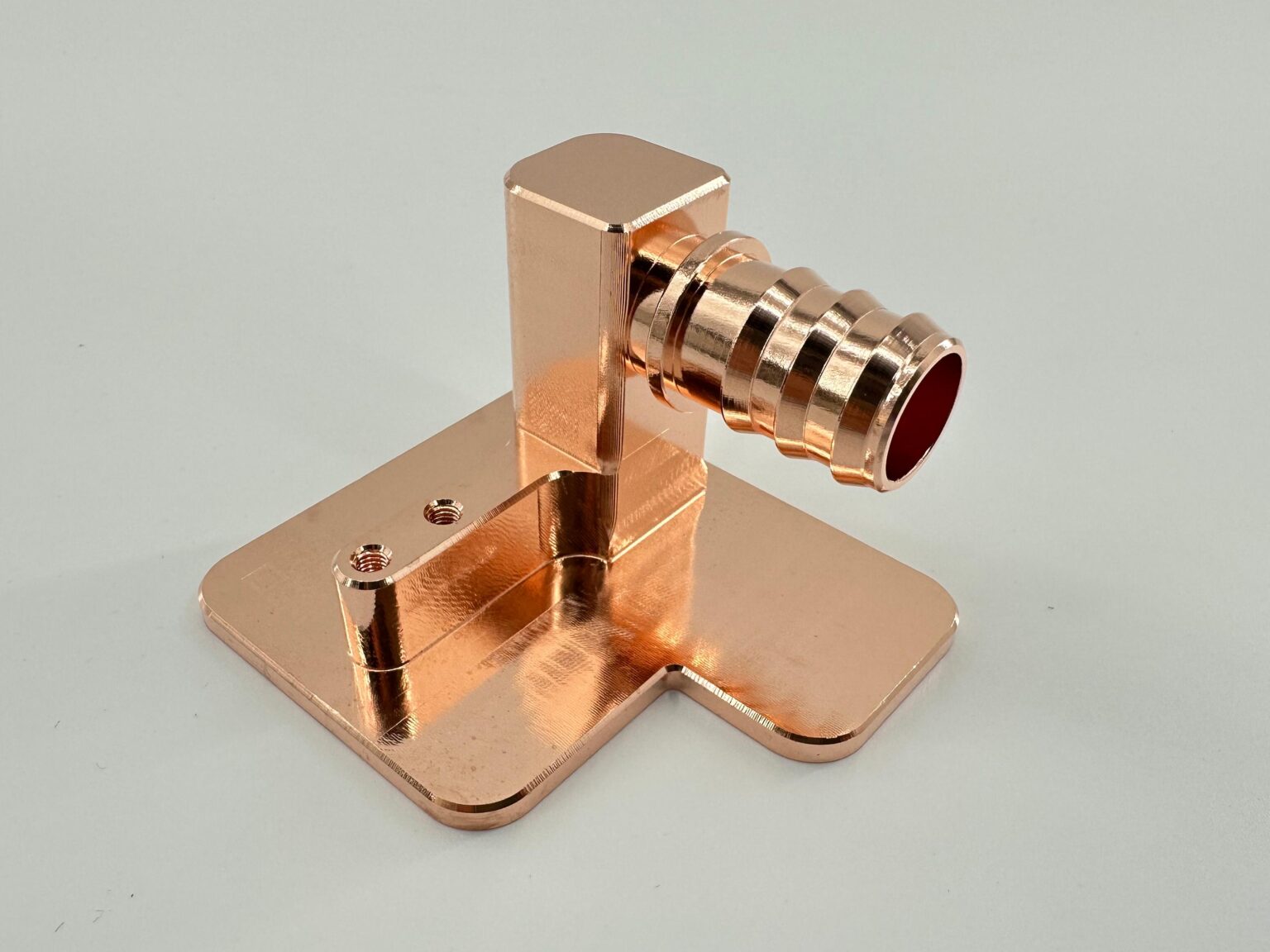
Introduction: The Importance of Barb Fitting
Imagine a scenario where a watering system at a local farm is failing to deliver water efficiently. This challenge is not uncommon, particularly when improper fittings are involved. Barb fitting, a type of connector used in various applications, is crucial for ensuring secure connections between hoses and pipes. When these fittings fail, the risk of leaks and inefficiencies increases, affecting overall productivity—so, what is the main cause of these failures?
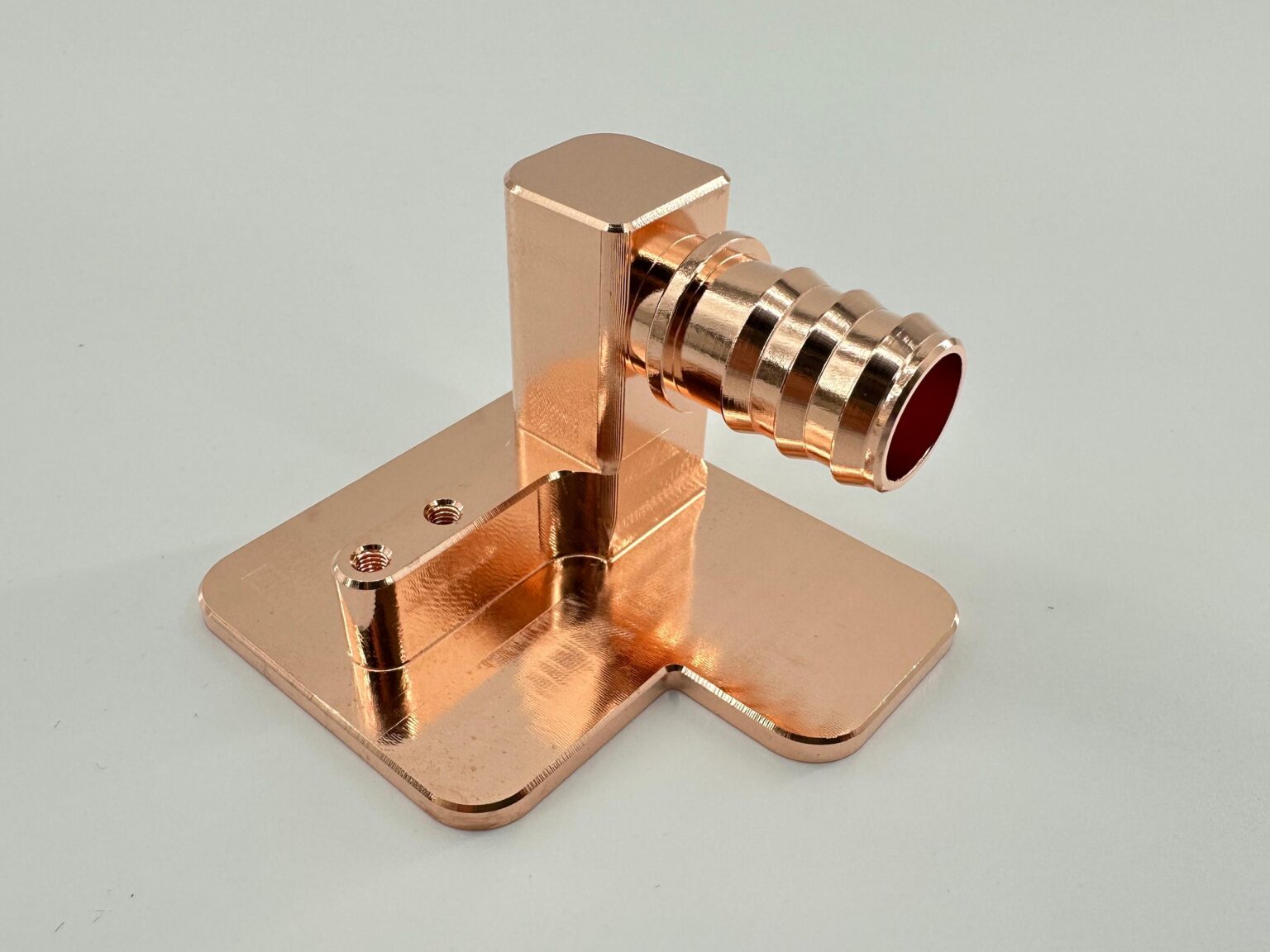
Body: Technical Breakdown of Barb Fitting
Traditional Solution Flaws
Conventional fittings often utilize threaded connections that can loosen over time, leading to leaks. Farmers and contractors frequently report that inadequate sealing between joints becomes a significant headache—it’s a matter of trust and reliability. The problem can escalate with vibration or thermal expansion, causing fittings to disengage, resulting in costly downtime and waste.
New Technology Principles
Enter barb fittings—these are specially designed to provide a more reliable solution. Constructed from durable materials, they often feature ridges that grip the hose securely, mitigating the risk of slippage. This mechanism not only enhances the connection but also simplifies the installation process. The ease of fitting barb connectors is more intuitive than traditional methods, making it a preferred choice among professionals.
Quantified User Benefits
Users of barb fittings experience significant operational benefits. Studies reveal that using these fittings decreases the chances of leaks by over 50% when properly installed. Notably, their robust design supports higher pressure applications, transforming how businesses manage fluid transfers. With these advantages, it’s clear that the correct choice can lead to enhanced efficiency and long-term savings in many sectors.
Conclusion: Key Considerations in Choosing Barb Fittings
When selecting barb fittings for your projects, always verify these 3 metrics: ① material compatibility for your fluids, ② grip strength to prevent leaks, and ③ ease of installation to save time and labor costs. Making an informed decision is key to ensuring a successful and reliable fluid management system.
Barbed Pipe Fittings: A Reliable Connection
Barbed pipe fittings are essential in many industries, providing a robust connection to prevent leaks in various applications. These fittings differ significantly from traditional connectors due to their ribbed design, which grips the hose tightly. When selecting barbed pipe fittings, consider the fluid type and pressure ratings to ensure optimal performance. Such attention to detail can prevent costly errors and enhance system reliability, ensuring that your operations run smoothly. Understanding the specific application needs allows users to select the most suitable fittings, enhancing overall efficiency.
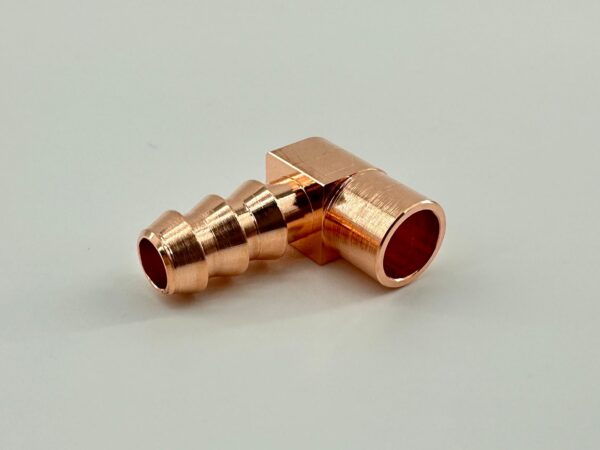
Unveiling Barbed Hose Fitting Dynamics
The effectiveness of a system largely depends on the quality of its components, particularly when considering a barbed hose fitting. These fittings are designed for easy assembly and disassembly, which is a significant advantage in maintenance workflows. Their versatility makes them suitable for both high and low-pressure applications, offering flexibility for various fluids. Therefore, investing in high-quality barbed hose fittings ensures that operations remain uninterrupted, highlighting their critical role in achieving seamless fluid management. The combination of reliability and ease of use in these fittings simplifies installation, ultimately leading to improved productivity in the long run.
Summary and Recommendation
In summary, understanding barb fittings, including barbed pipe and hose fittings, is vital for effective fluid management. The advantages they offer over traditional solutions cannot be overstated. Companies like Dingmetal provide high-quality fittings that ensure reliability and performance while catering to diverse operational needs. Choosing the right manufacturer can greatly enhance the effectiveness of your fluid systems, contributing to long-term success and stability.