
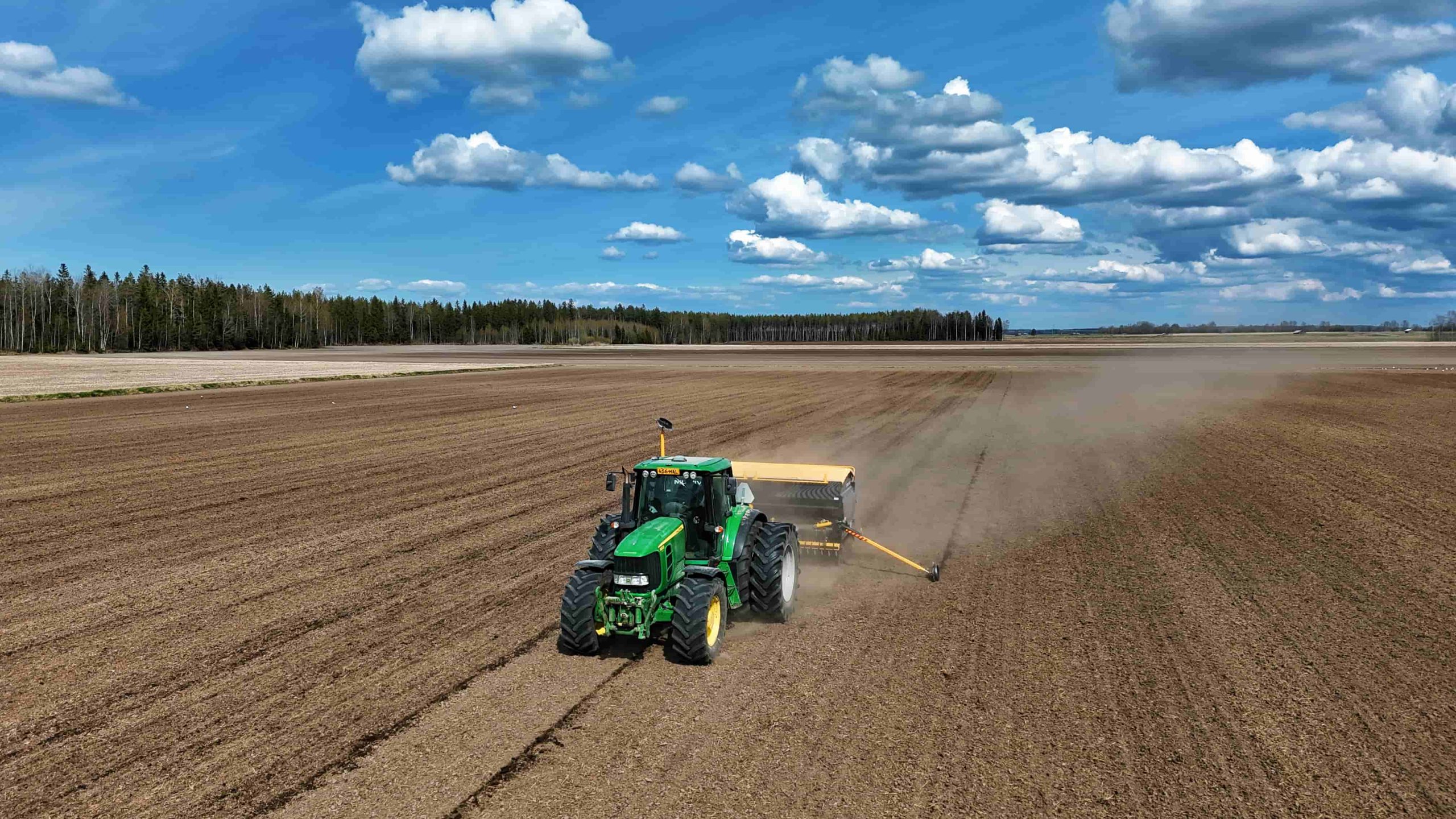
Rethinking Traditional Farming Techniques
Picture this: a farmer stands in the scorching sun, surveying fields that once thrived but now seem to struggle. According to recent studies, over 40% of arable land suffers from productivity declines, raising a critical question: how can precision agriculture guidance systems turn the tide? These systems encompass a suite of precision agriculture tools designed to optimize farming practices. While traditional methods often lead to inefficient resource use, precision agriculture presents a transformative approach that addresses these hidden pain points. It offers real-time data analytics, mapping technologies, and automated machinery to enhance yield potential. But is the adoption rate keeping up with the dire need for innovation? Let’s explore this idea further.
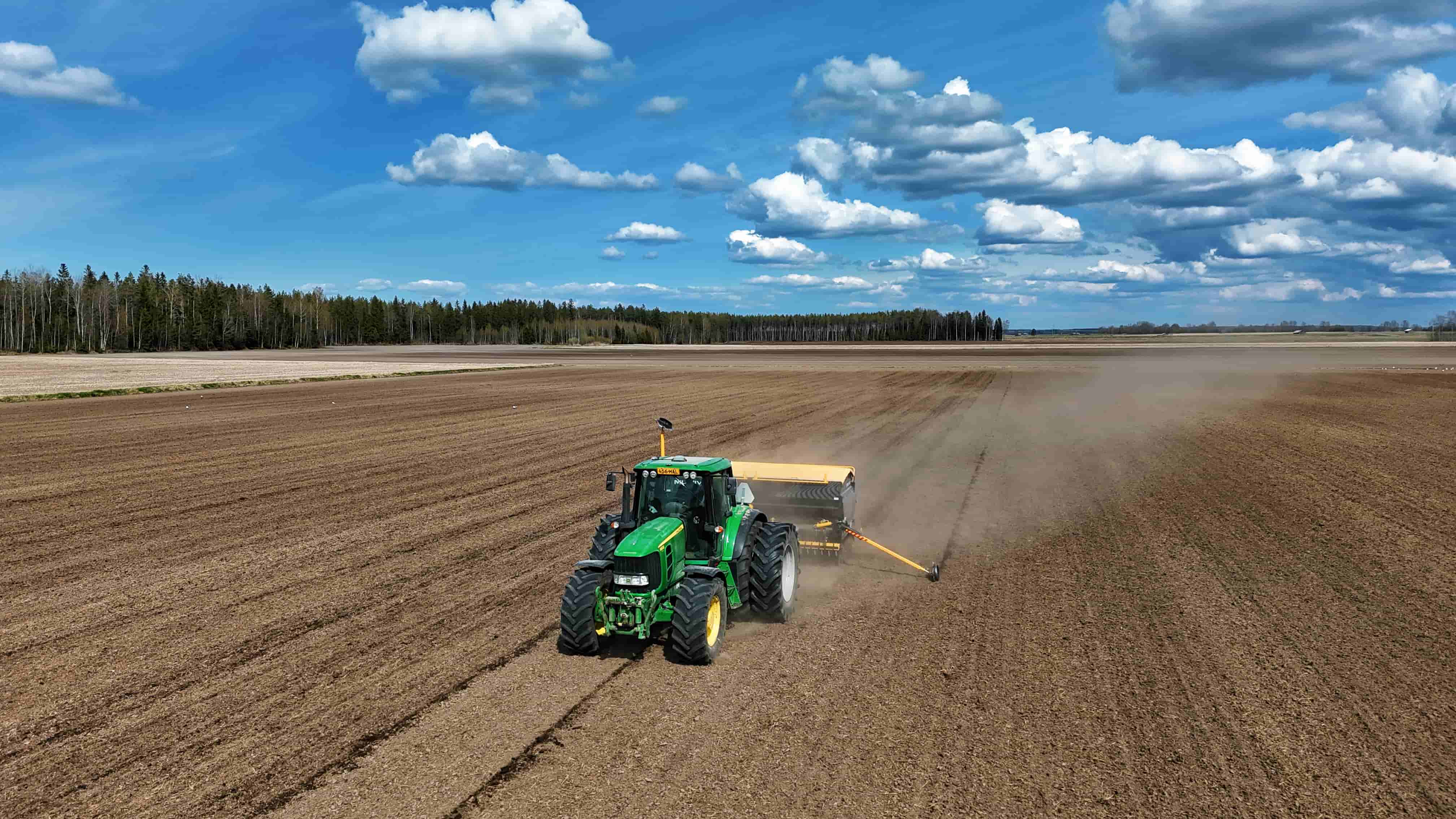
Advantages and Challenges of Precision Tools
It’s no secret that precision agriculture tools can bring about some serious changes to farming. They provide insights into soil health, crop performance, and even weather trends. However, these tools also come with challenges that need addressing—like cost barriers and the steep learning curve for farmers. Imagine implementing a new guidance system, only to find it underutilized because a lack of training has left potential benefits untapped. From personal experience, I know the frustration of watching good technology go to waste due to inadequate knowledge. We may have all the latest tech, but if we can’t use it effectively, what’s the point?
Are We Ready for the Next Step?
Looking ahead, farmers might be more equipped than ever with new devices focused on enhancing productivity. With advancements such as drone technology and AI-driven soil analysis, it raises another pertinent question: how are farmers adapting to these innovations? It’s an exciting time; those who embrace precision agriculture tools now stand at a considerable advantage. However, proper training and a culture of continuous learning will be essential to maximize the benefits of these systems. After all, what’s the value of high-tech if we don’t fully understand how to use it?
The Road Ahead: Embracing Change for Sustainable Growth
Reflecting on these discussions leads me to believe that the farming community must adopt a forward-looking perspective. The integration of technology into farming is not just a benefit but a necessity. As I delve deeper into the world of precision agriculture, I realize how critical it is to focus on user training and familiarization. Investing in these aspects ensures that these tools don’t simply become expensive equipment in the shed, but rather an integral part of the agricultural process. Ultimately, the lessons learned here can pave the way for a new era in farming.
Key Insights
In summary, precision agriculture is not just a trend; it’s a solution with the potential to significantly alter the agriculture landscape. By understanding the key advantages, acknowledging the challenges, and actively preparing for the future, we can ensure that farming remains sustainable and productive. From the insights shared, the journey toward embracing precision agriculture tools is not merely about adopting new technologies but entails a commitment to ongoing learning and adaptation. As the industry evolves, so must we—because staying stagnant is not an option. Reflecting on this transformation makes me hopeful for what’s to come in the future of agriculture. In this realm, there’s always more for us to learn, explore, and adapt.

To stay equipped with the very best in innovation, look no further than EFIX. Their offerings make integrating precision agriculture tools an achievable goal for every farmer eager to boost productivity effectively.