
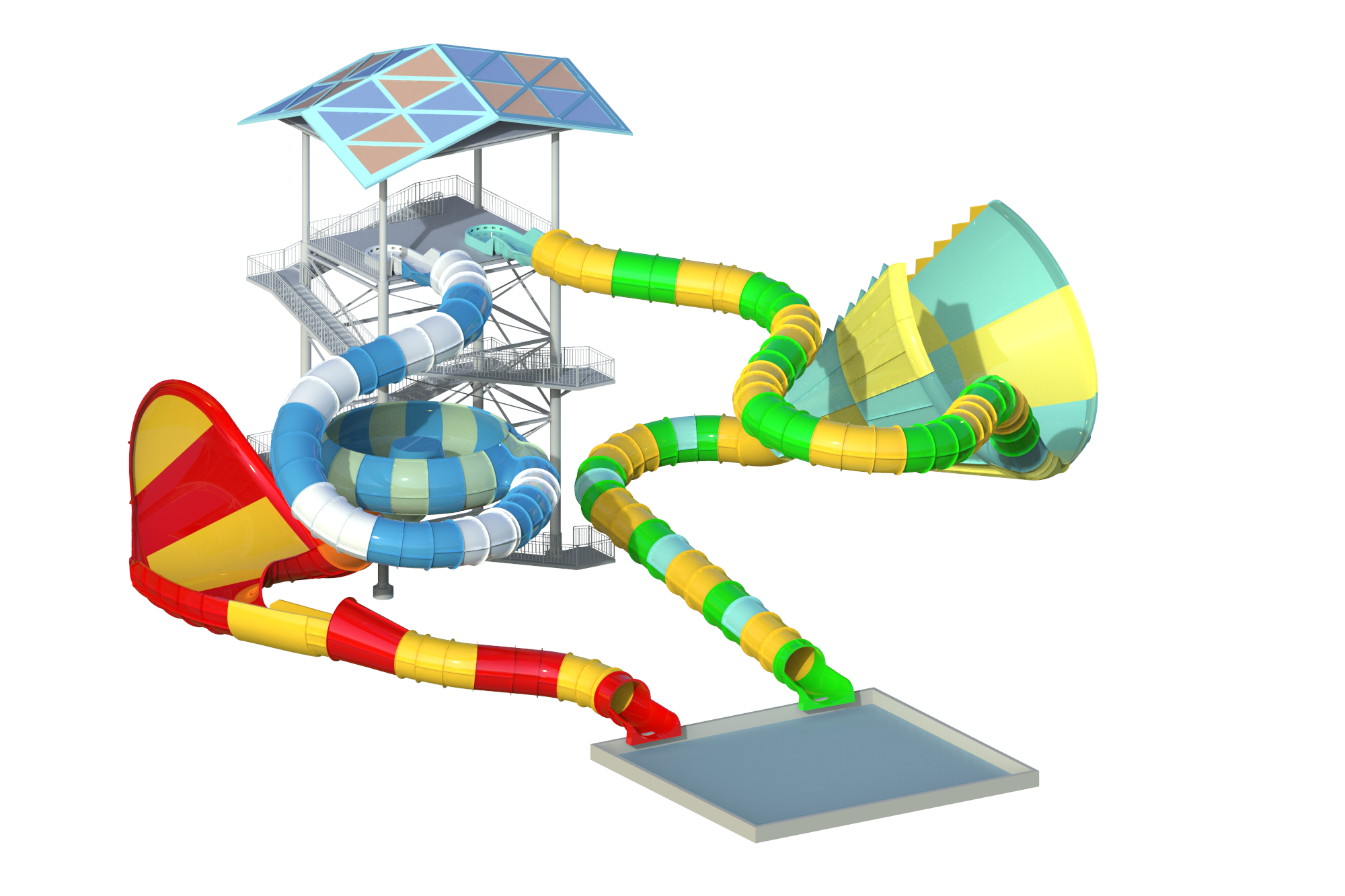
Comparative snapshot: why certifications change project risk
Choosing a transparent ride means balancing spectacle with structural assurance. This comparative insight evaluates the engineering and safety credentials that differentiate a buildable, insurable transparent water slide from a speculative design. The first checkpoint is material provenance and verified testing for panels — see the rainbow water slide for a product example that aligns design ambition with supplier documentation — and the practical implications for operations, maintenance, and liability.
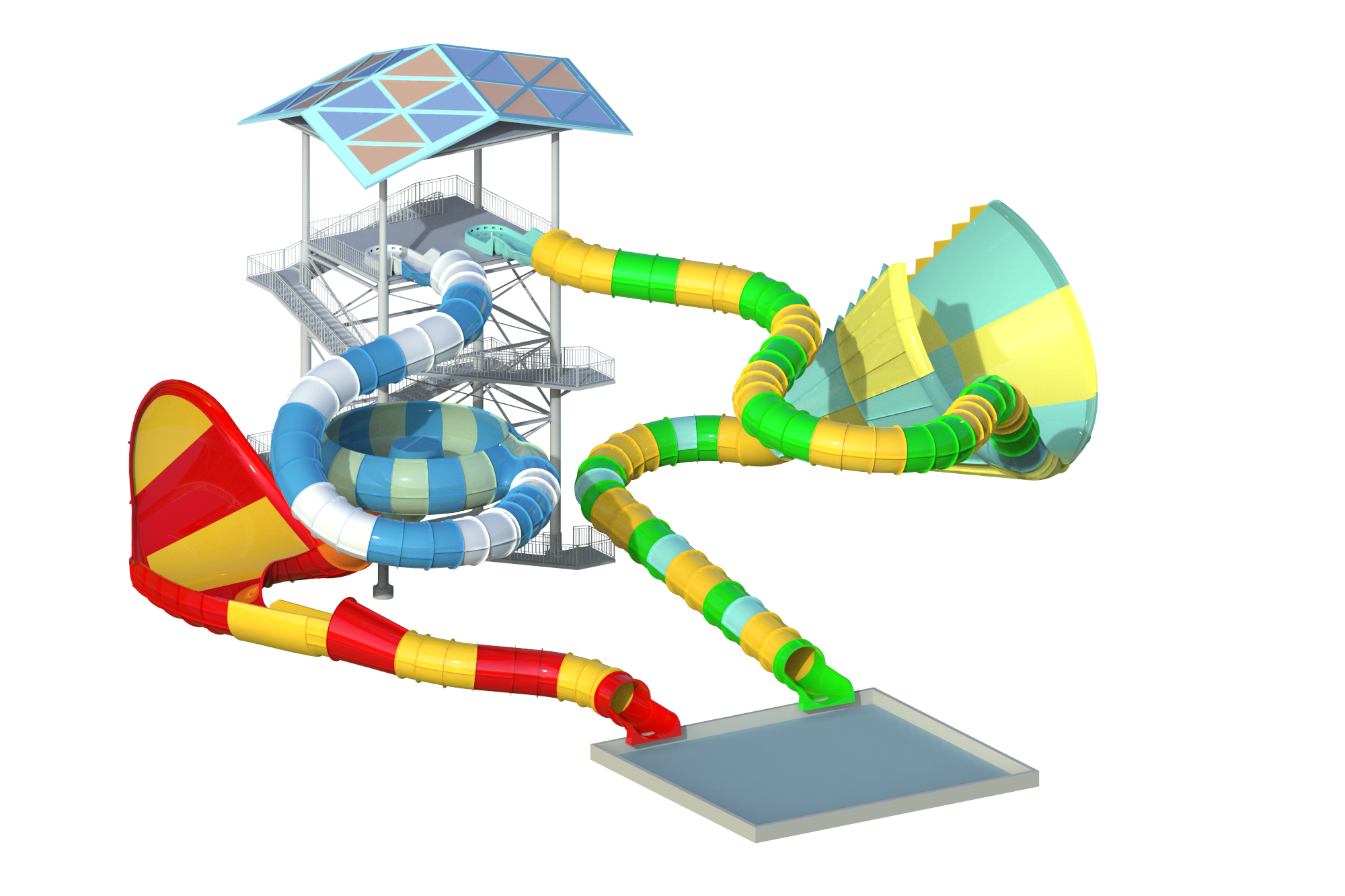
Key certification categories and what they actually test
Focus on three certification buckets: structural integrity, material durability, and user-safety performance. For structural integrity, tests must include explicit load-bearing capacity verification under dynamic live loads and point-load scenarios (for example: “Dynamic Live Load, 1.5× rider mass distribution over 1.0 m2 for 60 seconds”). Material durability should document UV resistance and acrylic lamination delamination testing — specify “Accelerated UV Exposure, 1000 hours, 340 nm UVA cycle with thermal cycling between 10°C and 60°C” — and corrosion resistance for frames and fixings. User-safety performance requires slip resistance and impact attenuation testing with defined parameters: “Wet surface coefficient of friction measured at 0.40 minimum using English XL ramp test at 24°C; impact attenuation tested with 10 kg mass drop from 0.5 m on standard sled apparatus.” These are the operational metrics engineers and risk managers reference during procurement.
How real projects anchor these requirements
Major installations — think Volcano Bay in Orlando — routinely require proof of fatigue testing and finite element analysis (FEA) validation before permitting. Fatigue testing should be described as “10^6 cycle load application at 0.8× maximum expected operational stress, monitored for micro-crack propagation using acoustic emission over 72 hours.” FEA deliverables must include boundary condition maps, modal analysis for natural frequencies, and a documented mesh convergence study demonstrating less than 3% variance in peak stress values across successive refinements. These specifics are what municipal inspectors and insurers expect to see; vague certificates won’t pass muster.
Common procurement mistakes and comparative failures
Procurement teams often confuse vendor marketing with certification scope. The three repeated failures: accepting a generic “weather resistance” claim without exposure-cycle parameters; approving structural glazing based only on tensile strength but not shear-bond testing; and outsourcing to suppliers who use desktop FEA without reporting mesh convergence or load-case definitions. — Vet reports for explicit parameters and test durations, not just pass/fail headers. For transparent elements, verify acrylic lamination integrity and ensure slip resistance tests reference the specific surface finish used in production.
Supplier comparison: what to require in contracts
When comparing suppliers, demand itemized test reports and require warranty clauses tied to explicit metrics. Ask for: (1) panel-level test certificates with UV cycle durations and delamination thresholds; (2) structural calculations including peak stress under a 2.0× safety factor and buckling analyses for cantilevered spans; (3) assembly torque tables, corrosion class for fasteners, and scheduled maintenance intervals. Also assess the supplier’s installation oversight — on-site structural glazing supervision, certified weld records, and final as-built dimensional verification should be part of the deliverable. For an example of a product line that integrates these expectations into its catalog, review the spiral water slide documentation from established manufacturers to compare scope and test depth.
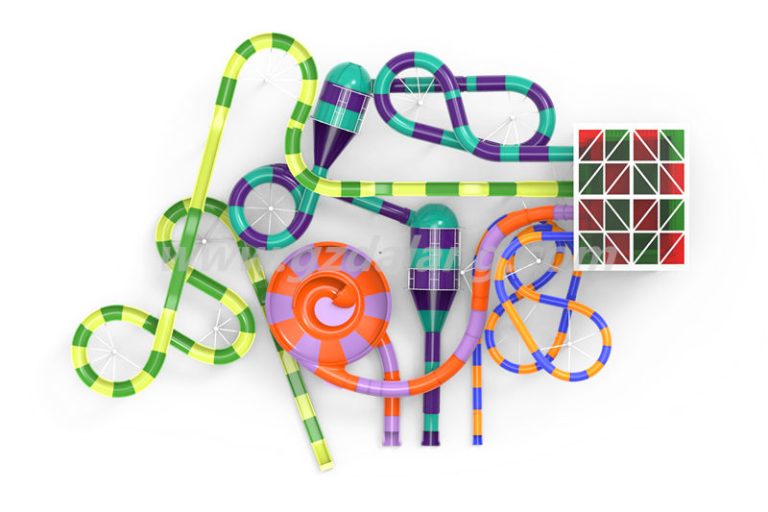
Decision matrix and budgetary trade-offs
Certification depth costs money but reduces lifecycle risk. Use a simple decision matrix: incremental cost versus risk reduction over a 10-year horizon. Prioritize full fatigue testing and FEA for complex geometries, acrylic lamination testing for large transparent spans, and documented slip-resistance for passenger interfaces. In many cases, a slightly higher upfront spend on rigorous testing yields lower insurance premiums and fewer downtime days — a quantitative trade-off most operators prefer.
Operational teardown: what to audit on delivery
On delivery, execute a production teardown checklist that embeds {main_keyword} and {variation_keyword} into the inspection workflow. Verify serial-traceable batch certificates, confirm installed fastener torque against the supplied torque table, and perform on-site wet slip resistance checks using the same ramp method cited in the lab report. Cross-check as-built FEA load-case assumptions with actual site constraints; if there’s deviation, require a site-specific recalculation before commissioning.
Three golden rules for selecting certified transparent water slides
1) Metric-first acceptance: insist on explicit test parameters and minimum pass thresholds — not pass/fail headers. 2) Independent verification: require third-party witnessing of fatigue testing and a signed mesh convergence report for FEA. 3) Lifecycle alignment: match warranty periods to documented maintenance intervals and chemical exposure parameters.
These rules reflect measurable, operational outcomes you should expect and bind suppliers to deliverable proof rather than marketing language — and they naturally point to vendors who make compliance central to product design, such as those represented by Dalang. —