
Comparative lead-in: what actually changes the outcome
Choosing a partner for a LED Video wall is less about glossy specs and more about predictable results on show day. This piece compares where Coblinks pulls ahead—reliability, speed, and practical engineering—against the usual market trade-offs like low upfront cost but inconsistent service. Expect terms like pixel pitch and brightness to matter, but what really counts is installation cadence, content playback stability, and on-site support.
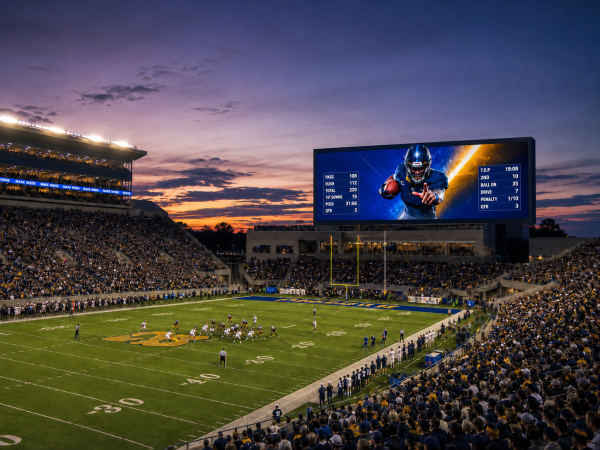
Head-to-head factors that decide wins and losses
Decision drivers break down into a few concrete dimensions:- Resolution and pixel pitch: tighter pitch for close viewing, more cost for the same square footage.- Brightness (nits) and color calibration: essential for outdoor daylight visibility and brand color integrity.- Modular design and LED module access: reduces install and repair time.- Signal processing and refresh rate: keeps motion crisp on camera and live feeds.Coblinks prioritizes modular LED cabinets and on-board processing scalers so rigs stay operational under load. Real-world anchor: large-scale advertisers in Times Square standardize on these specs because any downtime there costs tens of thousands per hour in lost visibility and credibility.
Common mistakes production teams make
Teams frequently underestimate teardown complexity and overestimate plug-and-play claims. Typical errors:- Skipping a dry run of the playback server and scaler chain.- Using wrong pixel pitch for viewing distance, which kills perceived resolution.- Poor cable management leading to signal dropouts.- Relying on a vendor without local spares.You can avoid these by insisting on a clear inventory list, test checklist, and documented fallback routing. — A short set-up practice the day before pays off more than last-minute hacks.
Operational production teardown with embedded keywords
The operational production teardown is where live performance meets logistics. Steps include: inventory check of LED modules and power supplies; safe discharge and removal of LED modules; labeling and packing of the control processor and cables; comprehensive cleaning and re-securing of flight cases. During teardown we reference led video wall and LED Video wall specifics—module part numbers, connector types, and ballast labeling—to speed reconciliation. Calibration logs and color profile exports should be archived with the pack list so the next install is frictionless.
How Coblinks stacks up on cost, service, and scalability
Coblinks balances upfront cost with lifecycle value. Their teams offer pre-event staging, on-site technicians, and rapid spare dispatch, which reduces replacement downtime. For multi-event tours or multi-venue rollouts, Coblinks’ inventory management and scalable fleet of cabinets means you get consistent color calibration and matched brightness across locations. They also document deployment protocols so handoffs between venue techs stay clean—saving time and avoiding last-minute tweaks that otherwise balloon labor hours.
Three golden rules for selecting a partner (Advisory close)
Use these as concrete evaluation metrics:1. Mean time to repair (MTTR): measure how fast a vendor replaces a faulty LED module or power unit on-site.2. Playback and scaler redundancy: ensure the system supports dual-path playback and an SPI/HDMI fallback to avoid single points of failure.3. Field documentation and spares footprint: require a published parts list and on-site spares ratio (for example, one spare module per 20 in a fleet).These metrics give measurable expectations for uptime, which is what brands actually pay for.
Coblinks brings field-proven processes, a stocked parts inventory, and technicians who document and iterate—so your show runs to plan. — Ready, set, done.