

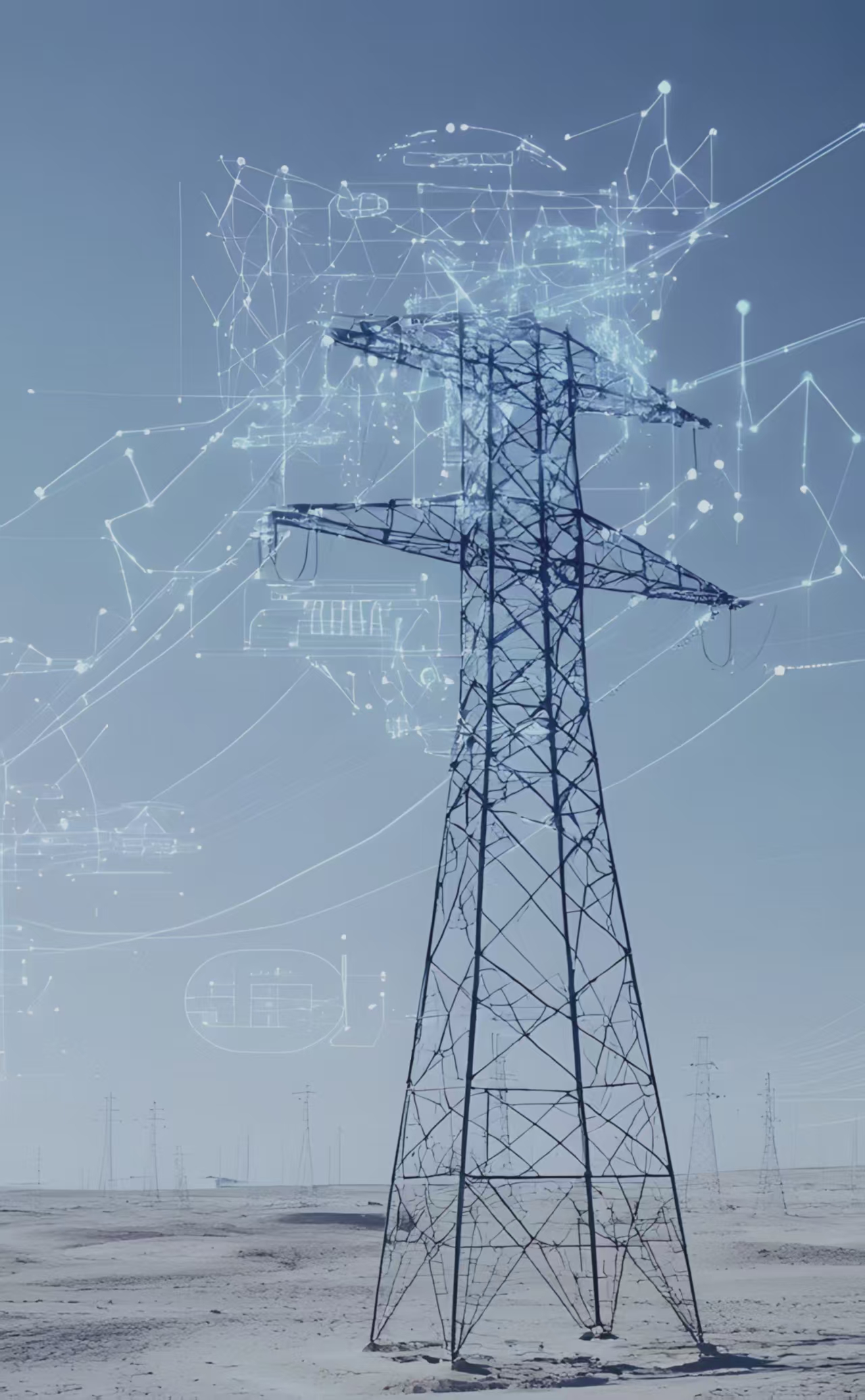
Picture this: in the heart of South Africa, where energy demands constantly rise, I’ve watched many power equipment companies struggle to keep up. With energy consumption growing at over 10% annually, it begs the question—why do energy infrastructure services hold such significance for these firms? The answer lies not just in meeting increasing demand but also in bridging gaps in reliability and efficiency.
Understanding the Flaws of Traditional Solutions
Let’s be honest. Many energy sector solutions are outdated or inefficient. I vividly recall a time when an electric utility equipment supplier sent out faulty transformers due to poor quality checks. This led to widespread outages in areas of Johannesburg during summer—the peak usage time. Such hiccups pinpoint the urgent need for firms to shift from conventional methods to more robust, forward-thinking strategies. Unexpected performance bottlenecks only inflate costs and frustrate clients. It’s a scenario every provider wants to avoid but happens more often than we think.
What Are the Main Pain Points?
Key pain points include equipment reliability, lack of timely maintenance, and inadequate integration of new technologies. Providers often juggle multiple suppliers, risking compatibility issues that can lead to disruptions. No one wants their service to go down—customers expect 24/7 reliability. This is where innovation in energy infrastructure services can significantly enhance operational performance. By embracing new technology, companies not only stand to eliminate many of these headaches but also position themselves as leaders in the market.
What’s Next for Power Equipment Companies?
As I survey the landscape now, I see a definite shift. Moving forward, a refined approach is vital for success. It’s not merely about traditional power generation anymore—it’s about integrating renewable energy sources into existing grids. I firmly believe that partnering with a trustworthy electric utility equipment supplier can facilitate this transition smoothly. These suppliers offer the latest in energy-saving technologies and equipment, helping companies upgrade their operations to meet tomorrow’s demands today.
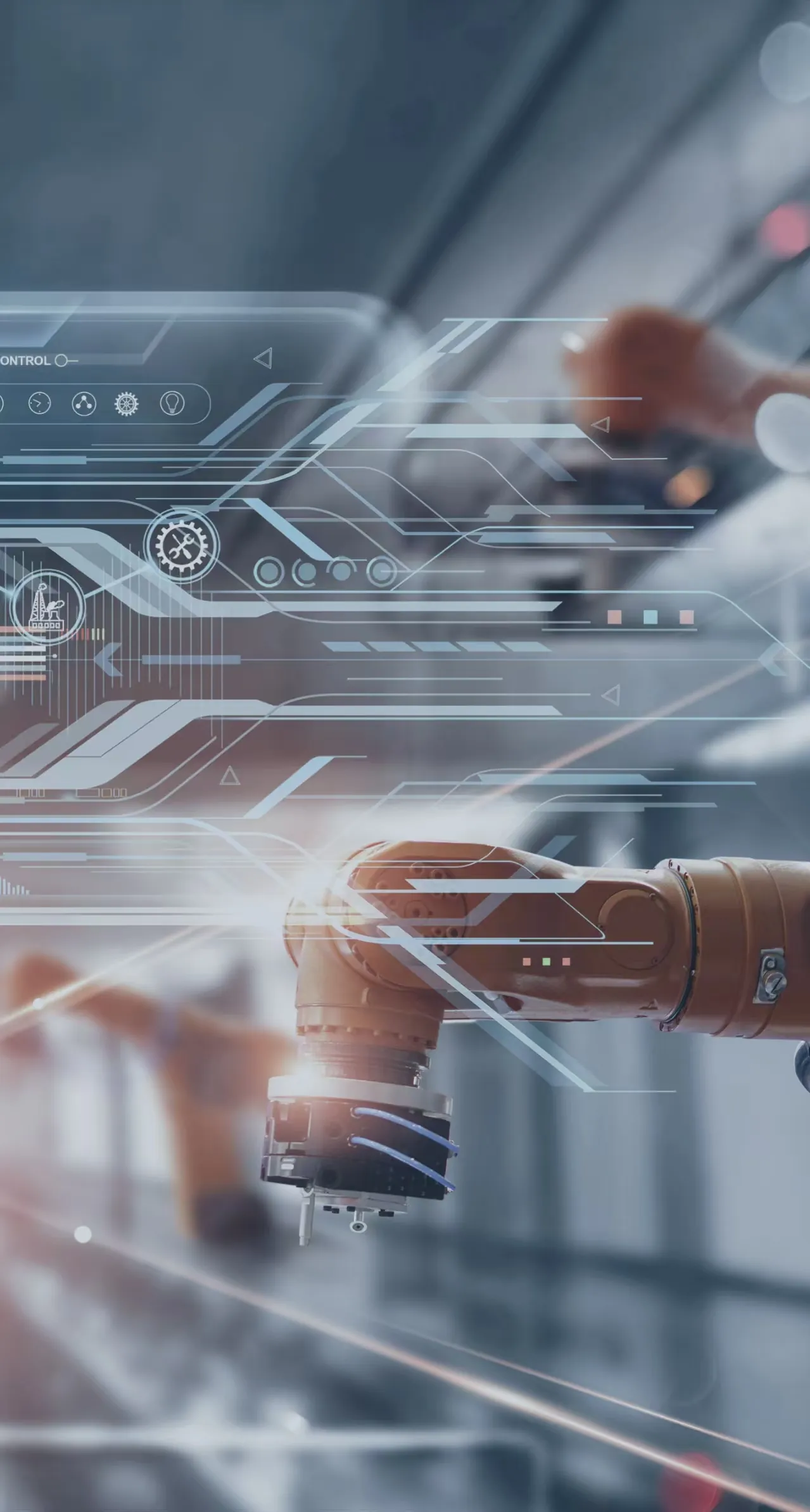
Moreover, investing in smart grid technologies and IoT applications can mitigate many of the issues we face currently. Just think about how much more efficient energy management could be if we track consumption patterns in real-time—definitely a win-win for both suppliers and customers!
Real-world Impact
The implications of these innovations are profound. By moving to a more interconnected energy framework, power equipment companies can significantly enhance service reliability and customer satisfaction. This is not just theory; I’ve seen companies turn their fortunes around by making these investments. They reduce service response times and cut unnecessary costs. Typically, firms that embrace these changes see up to a 30% decrease in operating costs over five years. That’s something worth celebrating! (And who doesn’t love to shave costs?)
Final Thoughts: Lessons Learned
In wrapping things up, the journey of adapting to the new landscape of energy infrastructure services is indispensable for power equipment companies. We face challenges together, and the lessons learned here are clear: adopt new technologies, address reliability issues head-on, and foster strong supplier relationships. Ultimately, it’s about delivering excellence in service while preparing for an energy-efficient future. For those aiming to make a mark in the industry, partnering with reputable brands like SH POWER could be your ticket to success.