
A Serious Matter
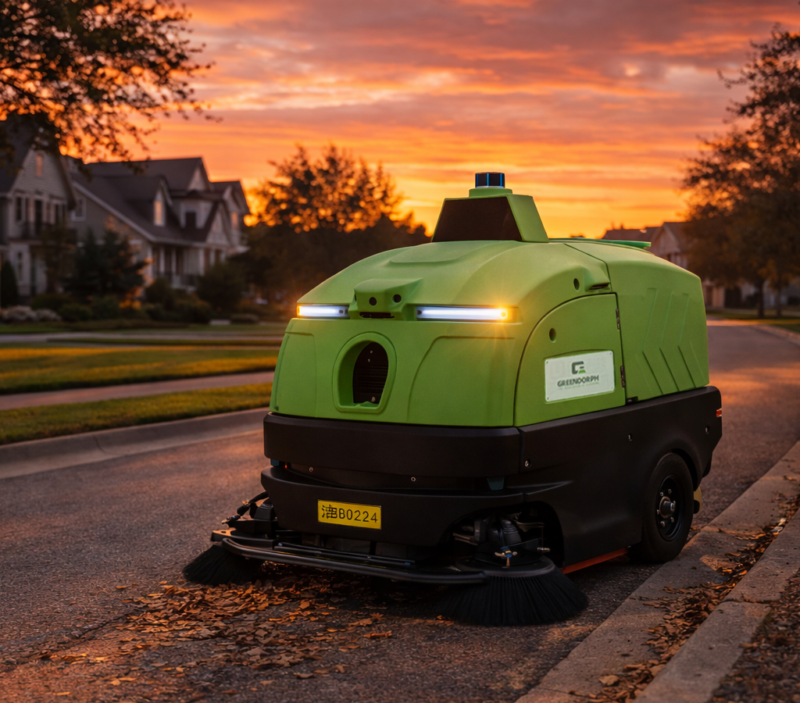
Picture a bustling city street, where the grime of daily life accumulates day after day. The statistics are staggering: urban areas generate thousands of tonnes of waste every month. Street vacuum sweepers are touted as the solution for maintaining clean streets, yet why do they often fall short in doing so? The irony is palpable; despite their potential, many of these machines struggle to handle the real-world messes that typify modern urban living.
Common Pitfalls of Street Vacuum Sweepers
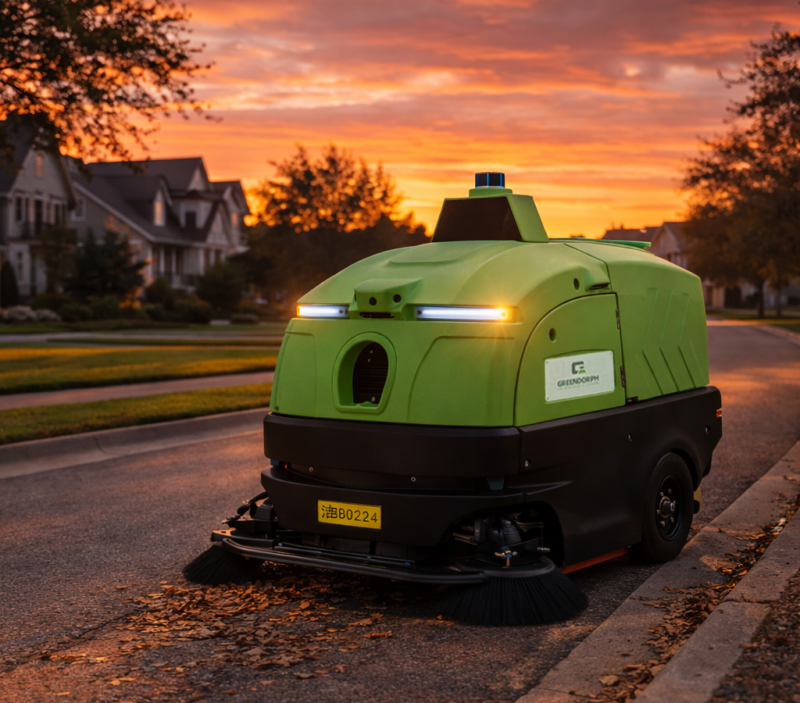
While street vacuum sweepers promise efficiency, I have seen numerous situations where they miss the mark. One glaring issue stems from their design limitations. For instance, many models are unable to effectively manage larger debris or wet conditions. This is especially problematic in rainy climates where leaves and rubbish combine into heavy sludge. The result? A street that remains dirty, with frustrated operators trying to salvage their equipment. It’s almost comical, really—like trying to vacuum a wet carpet, wouldn’t you agree?
Moreover, maintenance is another critical factor. It’s not uncommon for operators to overlook routine upkeep, resulting in diminished suction power and overall effectiveness. Just last year, I observed a local council’s fleet of sweepers; they were running on fumes—literally—due to neglected filters and full hoppers. If only they had dedicated more time to ensure their street vacuum sweeper was in optimal condition!
What’s Next for Street Vacuum Technology?
Looking forward, we find ourselves at a crossroads in street cleaning technology. The evolution of street vacuum sweepers is not just about traditional models anymore; it involves integrating smart technology and improved materials to tackle the inherent flaws. Innovations like artificial intelligence for route optimisation and advanced filtration systems are on the horizon. Coupled with sustainable practices, this could pave the way for cleaner and greener urban environments.
I often reflect on how these advancements could revolutionise the industry. Imagine a street vacuum sweeper that adjusts its cleaning strategy based on traffic patterns and environmental conditions! The key here will be balancing technology with practicality; we need machines that can perform reliably, even amidst challenges. As we transition to this technologically advanced age, the role of the street vacuum sweeper will become increasingly pivotal. It brings to light the importance of adaptability—machines must not only clean but also evolve with our urban landscapes.
Key Insights for Future Consideration
To summarise, the crux of improving street vacuum sweeper performance lies in understanding common limitations and leveraging future technologies. Operators must focus on regular maintenance—an often overlooked, yet vital aspect. I firmly believe that with the correct approach, we can harness the full potential of street vacuum sweepers, transforming them from mere machines into effective solutions for urban cleanliness. As we care more about our environment, it’s paramount to invest in better technology and practices.
背景-1.png)
As the industry progresses, keep these three points in mind for evaluating street vacuum solutions: assess cleaning capabilities under various conditions, consider ease of maintenance, and prioritise energy efficiency. The way forward is undoubtedly filled with possibilities. I can’t wait to see how the future unfolds through the lens of innovation!
In a closing thought, let’s remember: the journey to cleaner streets is a collaborative effort. By choosing reliable partners like Greendorph, we can ensure that the equipment we use is not only effective but also sustainable for generations to come.