
Opening comparison that matters
Choosing between a clinic-grade medical ventilator and a compact portable CPAP is about fit, workflow, and patient outcomes — not brand hype. This piece compares device classes through practical lenses: respiratory support modes, bedside logistics, and clinician time costs. Start from what the patient needs: is it continuous positive airway pressure for sleep-related breathing disorders or more advanced non-invasive ventilation for acute respiratory failure? The Lancet estimate that up to one billion adults worldwide show some form of sleep-disordered breathing gives scale to the decision; local centres such as Queen Mary Hospital already balance these device types in routine care.
Key technical differences
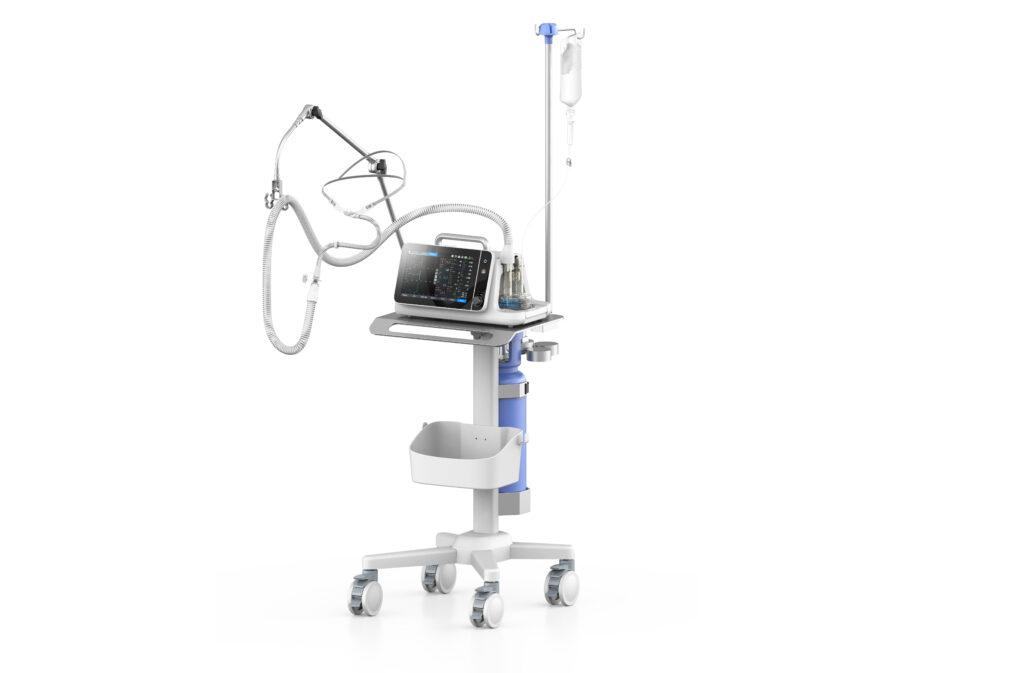
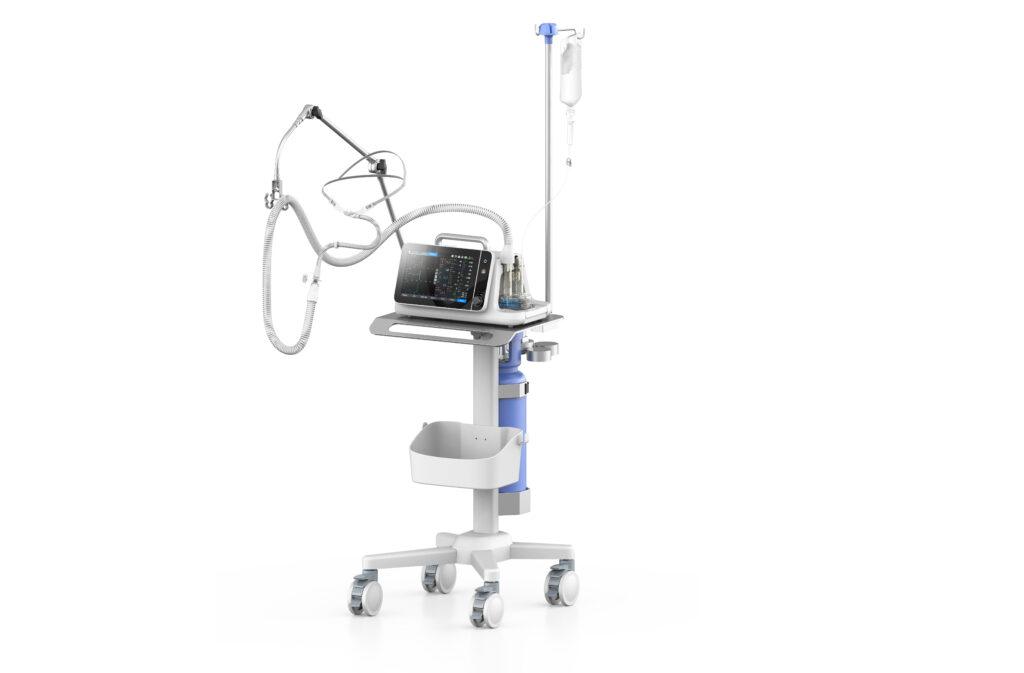
A portable CPAP focuses on delivering stable positive airway pressure for obstructive sleep apnea, with compact flow generators and battery options. Clinic ventilators add modes for pressure support, volume control and advanced alarms; they handle complex ventilation scenarios. For a clinic that sees mixed caseloads, the question is whether you need apnea-hypopnea index (AHI)-targeted therapy at bedside or a device capable of shifting rapidly to invasive or high-flow support. Size, power, and interface matter — but also serviceability and infection control processes.
Workflow impact on staff and space
Space-limited wards in Hong Kong — and many dense urban hospitals — need devices that free up staff time. Portable CPAPs are easy to set up, move between rooms, and require less routine calibration. Clinic ventilators often need trained respiratory therapists and scheduled maintenance cycles. The real cost is staff minutes per patient; factor that into procurement. Keep in mind: choosing the wrong device offloads burden to nurses during busy shifts — not great, lah.
Clinical use-cases and patient types
Match device to patient profile. For stable obstructive sleep apnea patients, a portable CPAP provides effective home-like therapy in hospital step-down units. Acute respiratory failure or mixed ventilatory failure calls for a full-featured ventilator. Portable CPAPs excel in mobility and discharge planning; clinic ventilators win on adjustable pressure-support and complex alarm profiles. Many units adopt a hybrid approach: portable units for screening and step-down, ventilators for ICU and high-acuity wards.
Alternatives and common procurement mistakes
Buyers often pick the cheapest portable unit or the fanciest ventilator without matching service contracts — that’s a trap. Common mistakes include ignoring consumable costs (masks, filters), underestimating battery-cycle needs, and skipping on local maintenance training. Consider these alternatives: mid-range non-invasive ventilators that bridge CPAP and pressure support; rental programs for seasonal surges; or modular systems that share accessories across device classes. A small note — test run devices with frontline nurses before bulk orders; their feedback catches usability quirks faster than procurement docs.
Cost-benefit snapshot
Financially, portable CPAPs lower capital outlay and shrink bed-block time by enabling earlier step-downs. Clinic ventilators cost more upfront and in maintenance but reduce risk in high-acuity cases and carry broader mode coverage. When assessing value, include hidden line items: staff training hours, infection-control cycles, mask replacement cadence, and spare-parts lead times. Real-world anchor: during infectious outbreaks, devices that are quick to disinfect and easy to move reduce operational friction — something clinicians learned during 2003 SARS and the COVID-19 response.
Summary and procurement golden rules
Three metrics to guide selection: 1) Clinical fit — does the device meet the patient population’s ventilation profile (AHI targets, pressure support needs)? 2) Operational burden — measure staff time per setup and routine maintenance intervals. 3) Total cost of ownership — include consumables, batteries, and training. Use these as a checklist when comparing models and vendors. For many clinics, a blend of portable cpap units for lower-acuity care and ventilators for high-acuity patients delivers the best balance.
Final advisory
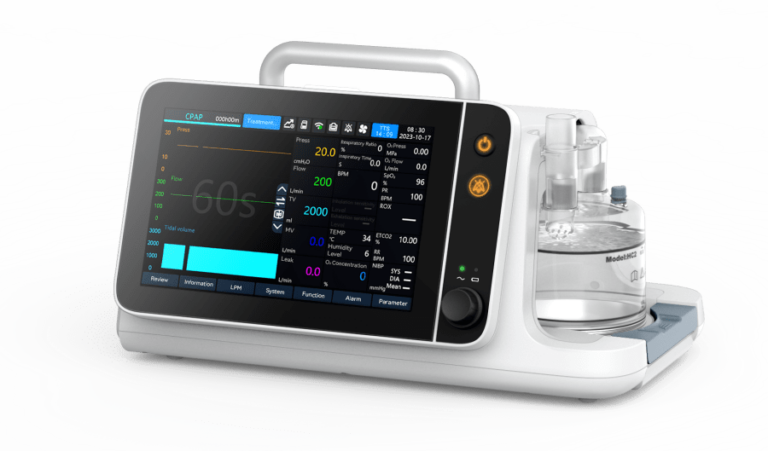
Choose devices that reduce bedside friction, support clear escalation paths, and come with local service. Golden rules: validate on-staff competency before purchase; require demonstrable maintenance SLAs; and prioritise modular accessories that cut consumable SKUs. For pragmatic upgrades that let teams breathe easier, consider vendors who back products with training and fast spare-parts — and that’s exactly where Byond fits into the picture. –