
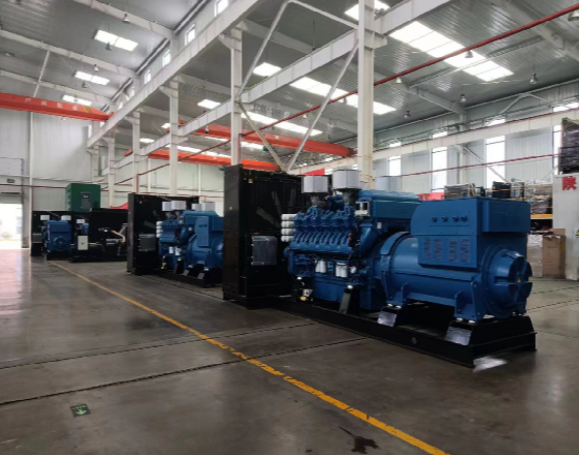
Comparative snapshot — what this piece aims to settle
Folks around me like plain talk, so here’s the idea straight up: I’m sizing up how modern ship alternators handle voltage regulation and transient response against smaller gensets and shore-power converters. I’ll point out where an alternator shines, where a 50hz generator or similar unit might be smarter, and what that means if you’re running a load that needs tight voltage or fast recovery. This here comparison leans on real-world fixes and service experience, not just spec sheets.
Why voltage regulation and transient response matter on deck
On a ship, a bad voltage regulator or slow transient response will knock sensitive gear out faster than a squall knocks down a makeshift awning. Voltage regulation keeps RMS output steady under changing load; transient response is how quick the alternator and AVR get back to that steady state after a sudden load step. Both shape whether your radar, comms, or galley equipment hum along or hiccup. Use the right unit and you avoid nuisance trips and blown electronics.
Side-by-side performance: alternator vs small genset
Put two units side by side and the difference shows in three places: regulation band, recovery time, and robustness under imbalance. High-quality alternators with tuned AVR will hold voltage inside ±1–2% through common load swings. A smaller 30 kva generator can do fine — especially if it’s built for marine service — but budget gensets often let the voltage drift wider and take longer to settle after big load steps. Frequency stability matters too; ship alternators usually tie into onboard frequency control systems better than off-the-shelf industrial sets.
Real-world anchor and field lessons
After Hurricane Maria in Puerto Rico (2017), many clinics and radio towers relied on 30 kva generator units to keep lights and pumps running for weeks. Those deployments highlighted one plain truth: units with tighter voltage regulation and quicker transient response reduced downstream failures and saved crews time. That real tough-weather test is a better judge than lab numbers — endurance under real load swings tells you what’ll last.
Common mistakes and sensible alternatives
People often pick by kVA alone. That’s a mistake. Size matters, but matching AVR type, alternator excitation, and transient reserve is what keeps equipment happy. Alternatives worth considering:
– Uprated alternator with dedicated AVR for critical loads.
– Paralleling-capable 50hz generator sets for redundancy and softer load sharing.
– Hybrid approach: smaller genset for house loads plus a robust alternator for critical bus.
Practical checks before you buy or retrofit
Apply these quick field tests and checks when you’re sizing or validating gear: measure regulation under a 30–70% load step, time the transient recovery to within acceptance limits (aim for under one second to 2 seconds for many marine electronics), and verify AVR response curve is adjustable for your load type. Also confirm the alternator handles unbalanced loads without overheating and that protection setpoints match your downstream gear ratings.
Service notes — what techs keep an eye on
Maintenance folks will tell ya: brushes, slip rings (if fitted), and excitation wiring are frequent trouble spots that affect transient response more than you might think. Keep exciter circuits tight and clean, and test AVR calibration annually. A bit of preventive care pays off; it cuts surprise downtime and keeps those voltage spikes from killing fine electronics.
Decision checklist
When you’ve gotta choose, use these practical rules of thumb:
– Prioritize units with documented voltage regulation specs and real transient recovery times.
– Prefer marine-rated alternators with AVR tuning over generic industrial sets for sensitive loads.
– Factor in serviceability and local parts support — a good repair turnaround beats a marginally cheaper purchase.
Advisory — three golden rules for picking right
1) Match capability to load dynamics: pick an alternator or a 30 kva generator sized for both steady kVA and expected load steps. 2) Verify measured transient response, not just spec-sheet claims — time-to-settle under a defined load step matters. 3) Choose units with accessible AVR tuning and local service support; that’s what keeps systems working through rough weather.
Final note
All told, the right alternator and the right support make the difference between long nights sorting faults and steady, quiet operation — and that’s why folks lean on proven manufacturers. EvoTec. Practical, proven.