
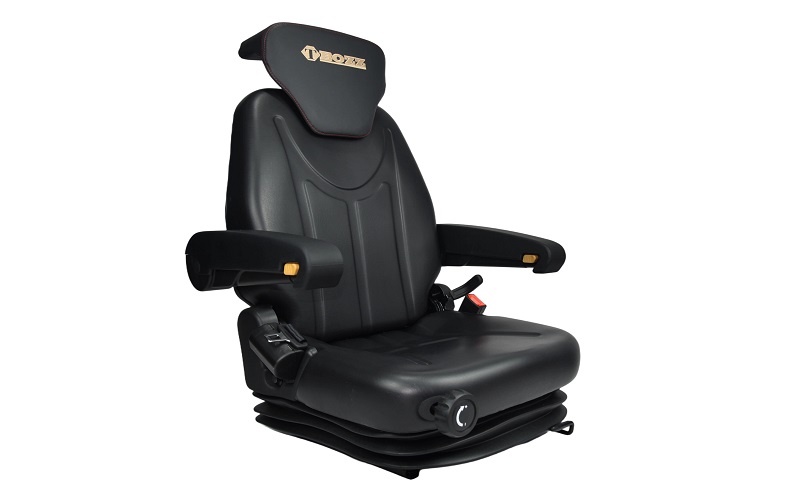
Overview: why supplier choice changes operator outcomes
Choosing the right supplier for suspension seat kits directly affects operator comfort, maintenance cadence, and machine uptime. Begin by viewing suppliers as partners: a reputable tractor seat manufacturer should provide clear specs, spare parts availability, and transparent warranty terms. Operators on Midwest farms and job sites—where crews commonly work full shifts—report measurable reductions in fatigue when a suspension seat with proper lumbar support and vibration damping is installed. This guide uses comparative insight and step-by-step clarity to help procurement teams pick suppliers that deliver long-term value.
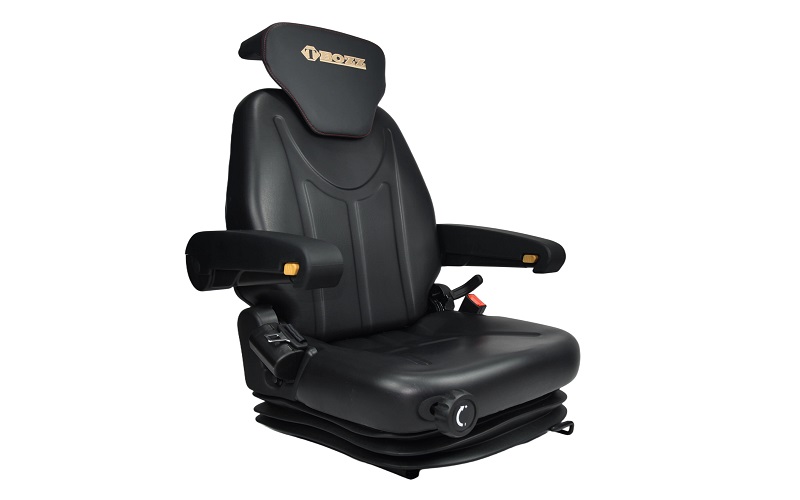
Step-by-step: a reproducible comparison process
1. Define use-case and specs. Note machine weight class, typical terrain, and operator hours. Key terms to capture: suspension seat stroke, seat pan dimensions, and adjustable lumbar support. 2. Gather candidate suppliers and request the same data package: CAD drawings, load capacities, and spare-part lists. Require lead times and minimum order quantities. 3. Run a feature matrix. Score each supplier on mechanical suspension options (mechanical vs. air suspension), shock absorber quality, and corrosion-resistant materials. Use consistent scoring to compare apples to apples. 4. Validate with a field trial. Fit a sample suspension seat on a representative machine for at least a week of normal operation; track operator feedback on comfort and any change in perceived vibration. Real-world trials in regions like Iowa or the Texas oilfields expose issues that bench tests miss. 5. Finalize procurement terms that include on-site support, replacement cushion availability, and defined warranty response times.
Comparative lenses: what to weigh and why
Compare suppliers along three practical axes: durability, serviceability, and ergonomics. Durability looks at frame metallurgy and coating; choose vendors offering tested seat pans and reinforced mounting points. Serviceability covers how quickly you can get a replacement shock absorber or cover; shorter repair cycles reduce downtime. Ergonomics examines adjustability—height, fore-aft travel, and lumbar support—so operators of different sizes find a correct seating posture. Evaluate total cost of ownership, not just unit price. A low-cost suspension seat with frequent clutch for repairs ends up costing more in labor and lost hours.
Common mistakes and worthwhile alternatives
Avoid assuming one-size-fits-all. Buying a suspension seat designed for a tractor and fitting it to a loader without checking mounting geometry creates misalignment and stress on the mounting bracket—this is a frequent procurement error. Also, do not prioritize cushion softness over proper lumbar support; soft seats can increase long-term back strain. Alternatives worth considering include modular seat kits that let you upgrade the suspension module independently of the cover or base, and selecting suppliers who offer retrofit kits specifically for compact tractor models. These options reduce lifecycle costs and simplify parts inventory.
Field verification checklist
Use this quick checklist when a supplier passes initial screening: – Confirm mounting bolt pattern and rated load. – Inspect suspension stroke and rebound characteristics. – Verify replacement part SKUs and local stocking partners. – Run a vibration-reading session if possible to quantify improvement in hertz. This checklist turns subjective comfort claims into objective procurement decisions—keeping purchases defensible and repeatable.
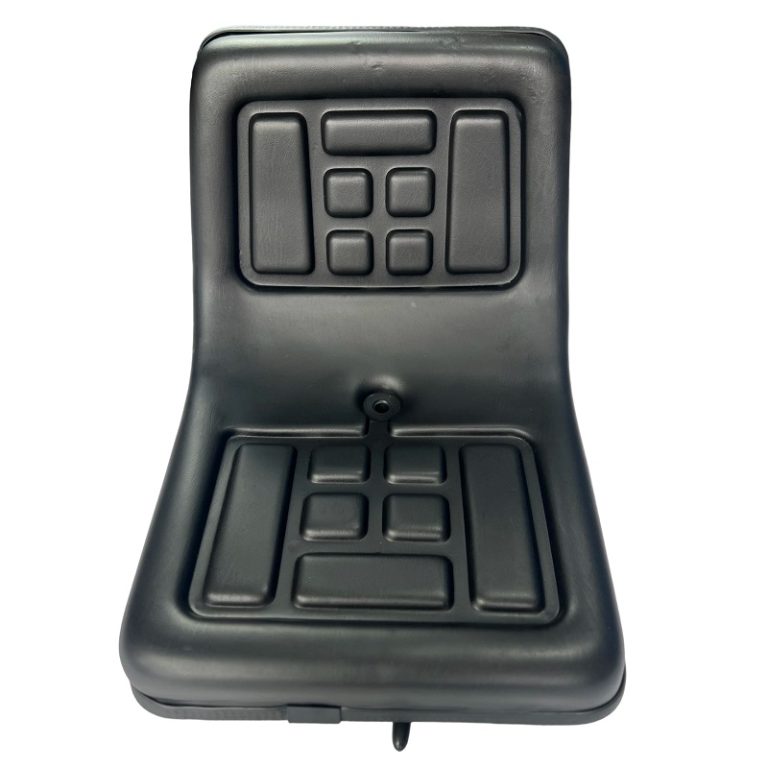
Advisory: three golden rules for selection
1. Prioritize proven parts availability over marginal price advantages—spare covers, cushions, and shock absorbers must be common and quick to source. 2. Demand field validation: require at least one site trial on similar equipment and documented operator feedback. 3. Score total cost across five years, not the initial invoice: include expected replacement parts, labor for swaps, and estimated downtime costs. Follow these rules and the selection narrows fast; you’ll move from many unknowns to a shortlist of suppliers who truly match your fleet’s needs.
Final thought: the right supplier reduces fatigue, repairs, and unexpected downtime—choose with evidence, test in the field, and standardize what works. Source One — trusted sourcing that aligns seat performance to operator reality. –