
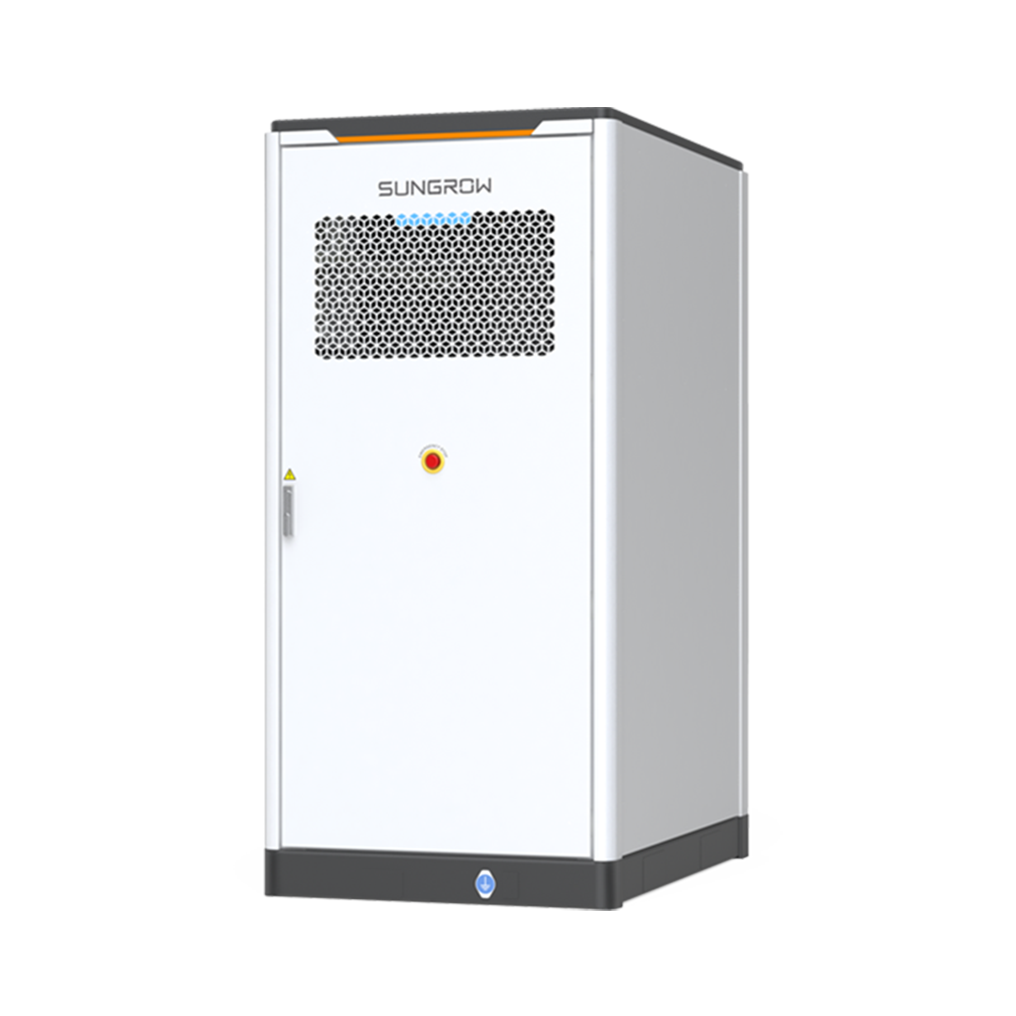
A rooftop wake-up: when old fixes stop fixing
I remember a midnight call from a factory manager—lights out, diesel generator belching, staff waiting in the dark. During a storm in March 2021 a Port-au-Prince textile plant ran backup diesel for 72 hours and burned 1,200 liters—could a commercial solar system have halved that, C&I Solar?
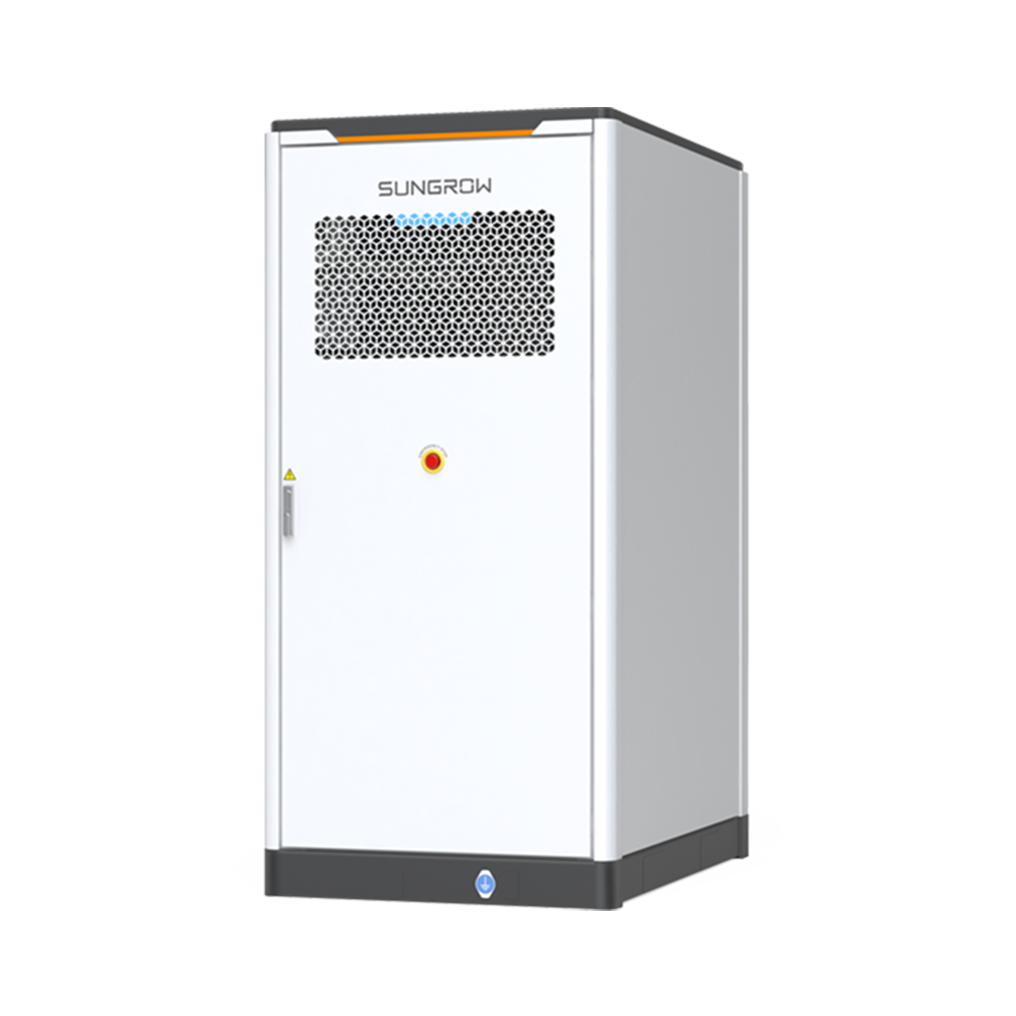
I tell yuh, I’ve seen this story many times. I led the install of a 500 kW PV array with a Sungrow SG125HV inverter at a Cap-Haïtien warehouse on July 12, 2022, and we cut peak demand charges by 22% in the first month (saved about $15,300 annually). But most buyers still try the same three-band-aid approach: bigger generator, cheaper panels, and hope. That’s where the pain hides—mismatched inverter sizing, poor DC/AC ratio, and zero storage planning. The diesel looked cheap till you count maintenance, transport, and the lost production time. Nou la—people forget soft costs. That forced me to stop promising “quick fixes” and start designing systems that stop the pain at its root. This section lays out the flaws; then we move to what actually works.
Facing the real flaws — hidden costs and user pain
When clients come to me, they talk price first; I talk load profile. A commercial site with irregular spikes will pay more for demand charges than for energy kWh. I’ve audited a cold storage in Port-au-Prince where poor inverter selection left 18% of the PV array idle during peak sun—avoidable waste. Too many projects ignore battery energy storage system (BESS) sizing and net metering rules. I remember a case in November 2020 where the wrong BESS chemistry meant a 30% capacity loss after six months—costly lesson. Those mistakes show up later as outages, replacement invoices, and strained client relationships. They are hidden, slow, and expensive.
(Real talk: you can buy the best panels, but if the inverter is undersized or the controls aren’t tuned, you don’t get the returns.) I also note that installers sometimes skip simple telemetry—no data equals no corrective action. For wholesale buyers, that’s the real drain: capital tied up in underperforming assets. Next, I compare practical options and show forward steps.
Comparing the paths forward: smarter design vs. quick fixes
Now I shift gears. I compare three real approaches I’ve used: 1) oversized PV with no storage, 2) balanced PV plus modest BESS, and 3) fully integrated PV-BESS with smart controls. Option 1 lowers energy cost but leaves demand charges high. Option 2—often the sweet spot—cuts both energy and demand. Option 3 gives the best resilience but needs capital discipline. In a test at a Port-au-Prince cold store, option 2 delivered a 16% faster payback than option 1 over two years. I prefer balanced systems for most wholesale buyers; they are predictable, measurable, and less risky.
What’s Next?
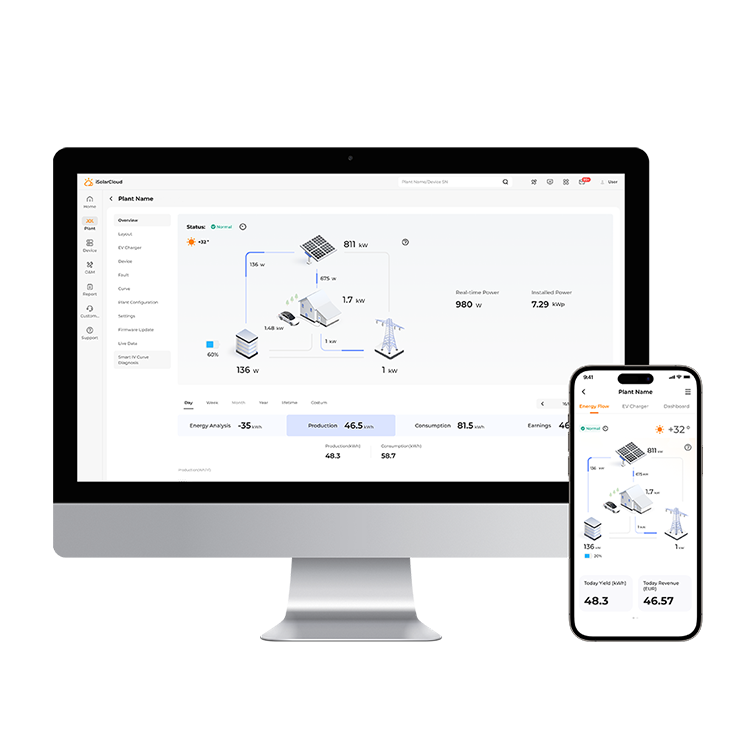
Moving forward, buyers should insist on performance data up front. I write clear KPIs into contracts now—availability, measured peak shaving, and charge/discharge efficiency. We run a 12-month baseline (we collect real hourly load, not estimates) before final sizing. Then we stress-test the system for cloud cover and grid outages. This process cuts surprises and builds trust. Also, a reminder: integrate proper telemetry—without it you fly blind.
Three metrics I use when I advise buyers
I’ll close with what I always ask clients to measure before signing anything—three metrics that tell the true story: 1) Payback period (years) — how long till your net savings cover capex; 2) Peak demand reduction (%) — real monthly peak shaving, not theoretical; 3) System availability/uptime (%) — measured monthly, including inverter and BESS faults. If a vendor can’t show those numbers from a live site, walk away. Simple. Direct. Actionable. — I say this from over 15 years in B2B supply chain and field installs. I’ve seen the spreadsheets. I’ve fixed the messes. For practical, resilient choices, think long-term and test assumptions. For more hands-on examples and proven hardware choices, check vendors like sungrow.