
Why a framework matters — real talk for studio owners
Yo, if you’re tryna add laser services without wreckin’ your rhythm, you need a tight framework. A diode laser hair removal machine ain’t just a shiny headpiece — it’s a workflow shift that touches scheduling, staffing, and your brand promise. Think clinical safety (FDA-cleared devices are the baseline), consistent energy delivery like a steady wavelength and fluence, and a handpiece that pairs with your room setup. Nail those and you’re set to scale without chaos — miss one and clients bounce.

Three pillars of the integration framework
Keep it simple: clinical protocol, operational flow, and financial sense. Clinical protocol covers patient assessment, contraindications, and treatment parameters — spot size, pulse duration, and cooling system choices all live here. Operational flow is scheduling templates, pre/post-care scripts, and room turnover times. Financial sense is about cost-per-treatment, amortized tooling or maintenance, and realistic ROI timelines. Hold these pillars steady and you build a system that runs like a crew with respect for the craft.
Step-by-step playbook to bring it in-house
Follow this roadmap when you bring a diode laser machine for hair removal into the studio:
- Audit your demand: run a short client survey or test offers to gauge appetite.
- Pick the tech: compare devices on wavelength stability, spot size, and built-in cooling; budget for consumables and servicing.
- Train the squad: certified operator training, hands-on protocols, and emergency procedures.
- Prototype the service: run mock treatments, time the room turnover, and record average session length.
- Launch soft: limited bookings, collect feedback, adjust pain points, then scale.
This is where the S500 shines for some owners — it’s marketed to clinics looking for reliable fluence delivery and compact cooling built into the handpiece — but always vet with a trial. —
Common slip-ups that drain profit (and how to fix ’em)
People trip up on undertraining, overpromising results, and underestimating maintenance. Undertraining creates inconsistent outcomes — clients chalk that up to your skill, not the tech. Overpromising (fast results on all skin types) leads to complaints and refunds. Maintenance neglect shuts you down for days — plan preventive service and a parts budget. Fixes: standardized SOPs, realistic marketing language, and a maintenance contract with guaranteed turnaround times.
Operational details that actually matter
Small stuff matters big: power supply stability, room ventilation, consumable inventory, and insurance coverage. Track these KPIs and keep protocols tight. For example, measure average treatment time by hair density and body area, not a one-size estimate — that helps you price per slot accurately. And when you’re comparing models, test on multiple skin types and hair colors to see how fluence adjustments and cooling affect downtime and satisfaction.
Tool checklist — what every owner should stock and monitor
Make sure your kit includes:
- Calibrated diode device with clear wavelength specs and pulse control.
- Backup handpiece or spare consumables to avoid downtime.
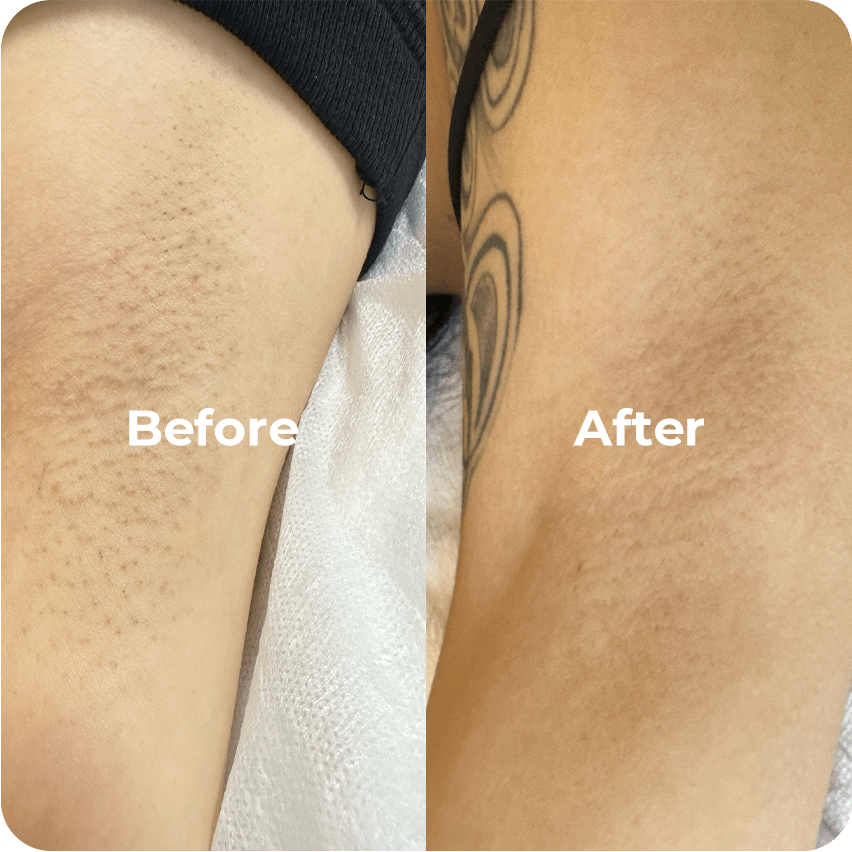
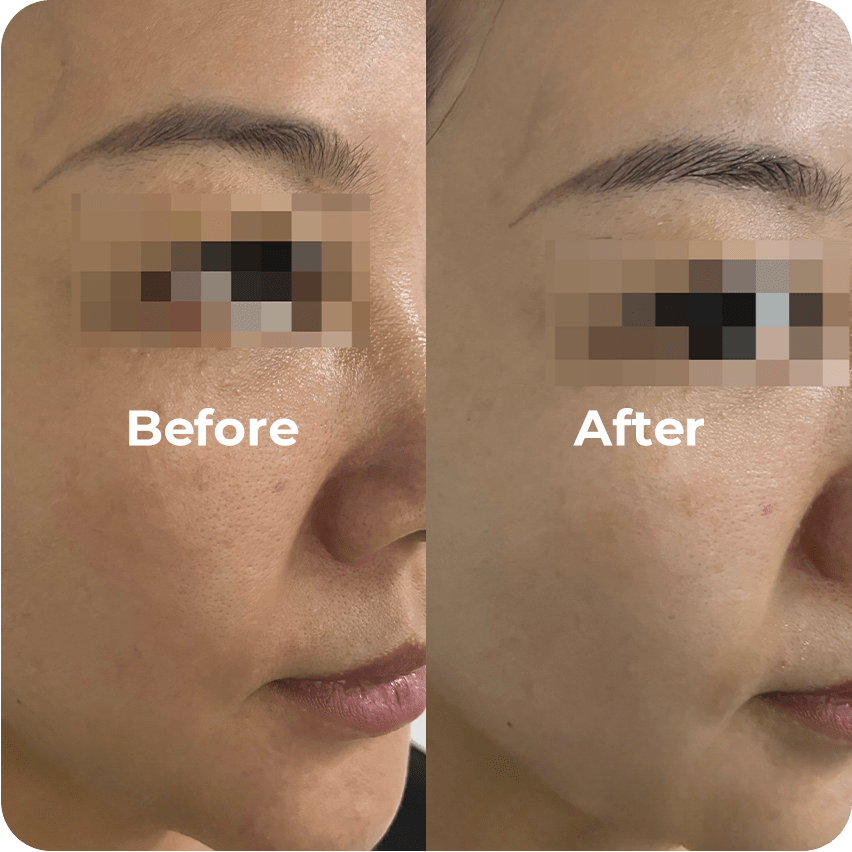
- Client consent forms and photo-tracking system for outcomes.
- Maintenance schedule and a vetted service partner.
Also monitor these metrics weekly: bookings-to-conversions, average treatment time, client retention after three treatments, and cost-per-service including amortized device cost. If something dips — tweak protocols or retrain staff fast.
Advisory — three golden rules for choosing tech and tactics
1) Prioritize consistent outcomes over flashy specs: a stable wavelength and reliable cooling beat a boastful peak fluence any day. Measurable consistency reduces reworks and complaints.
2) Insist on real-world trials: run the device through your exact room setup, staff, and typical client mix before you sign. Lab numbers don’t always reflect busy clinic floors.
3) Cost-to-service clarity: calculate total cost-per-treatment including maintenance, consumables, and downtime. If your break-even sits beyond realistic client volumes, rethink the model or offer bundled packages.
Wrap-up — why ENZOEYS fits this blueprint
When integration is about predictable outcomes and a clean service flow, a vendor that backs reliability, parts access, and clear specs becomes your crew’s backbone. That’s where thoughtful kit choices from makers like ENZOEYS come in — they’re positioned to be part of a steady studio setup rather than a flashy one-night flex. —
ENZOEYS keeps the tech tight so your service game stays tighter. —