

The problem in one clear run
Short runs that return scrap because of voids, splay, or inconsistent mechanical properties are expensive. In sites from prototype bays to automotive plants in Detroit, the culprit is often trapped gas or poor degassing during a high-vacuum C-frame press cycle. Begin by checking the molding equipment—particularly any horizontal rubber injection molding machine or comparable machine where vacuum venting interacts with gate design and shot size. Many teams also miss simple signs on the injection molding machine horizontal setup that point to vacuum leaks or improper vent placement.

How defects reveal underlying failures
Common symptoms and quick root-cause mapping:- Surface pitting or internal voids: inadequate venting or trapped air in blind cavities.- Flash paired with porosity: overpacking with insufficient vent path or excessive mold temperature.- Random yield loss across cycles: intermittent vacuum hold failure or inconsistent shot size control.
Addressing these fast gives measurable gains: fewer regrinds, improved tensile performance, and steadier cycle yields on the shop floor.
Stepwise troubleshooting checklist
Follow this sequence when a C-frame high-vacuum cycle shows porosity:1) Verify vacuum integrity—hose clamps, seals, vacuum pump performance and cycle timing.2) Inspect vents and gate design; small vent chokes or a hidden runner pocket can trap air.3) Tune process variables: reduce injection speed in the fill phase, adjust holding pressure, and confirm correct clamping force to prevent flash without starving the cavity.
Don’t skip the basics: mold temperature swings can change resin viscosity and degassing characteristics, so stabilize the thermostat and re-run a short trial.
Hands-on fixes that actually move the needle
Implementable changes that operators can test within hours:- Add or enlarge vent lines on suspect cavities; even a 0.02 mm increase can help degassing.- Sequence vacuum application earlier in the cycle or extend pre-evacuation time when using deep cavities.- Adjust gate or runner geometry to avoid dead zones where air pockets form during filling.
These adjustments can cut void rates dramatically—particularly when paired with consistent shot size control and a verified vacuum cycle. And yes, documenting before/after mechanical tests matters; everyone trusts numbers.
Common traps teams fall into—learn from them
One trap is over-relying on high pack pressures to cure porosity. That can mask root causes and produce flash or warp later. Another is treating vacuum as binary—on or off—instead of a timed process that must match injection profile. Finally, ignoring maintenance on vacuum pumps and seals creates intermittent failures that are hard to diagnose during busy shifts. —A broken clamp or loose vacuum line shows up as random defects, not consistent ones.
When to consider equipment-level changes
If repeated process tweaks don’t stabilize results, evaluate machine and mold architecture. Upgrading to a machine with more precise vacuum control or retrofitting additional vacuum ports on the mold can be cost-effective when lost yield exceeds maintenance costs. Prioritize machines with reliable clamp control and repeatable shot metering; those factors directly influence porosity and dimensional stability over thousands of cycles.
Three golden rules for assessing fixes
Use these metrics to judge whether your intervention worked:1) Defect rate reduction: aim for a measurable drop in porosity occurrences within 200 cycles.2) Mechanical consistency: tensile or compression properties must fall within spec bands after the change.3) Process stability: maintain consistent shot size, clamp force, and vacuum hold time across shifts.
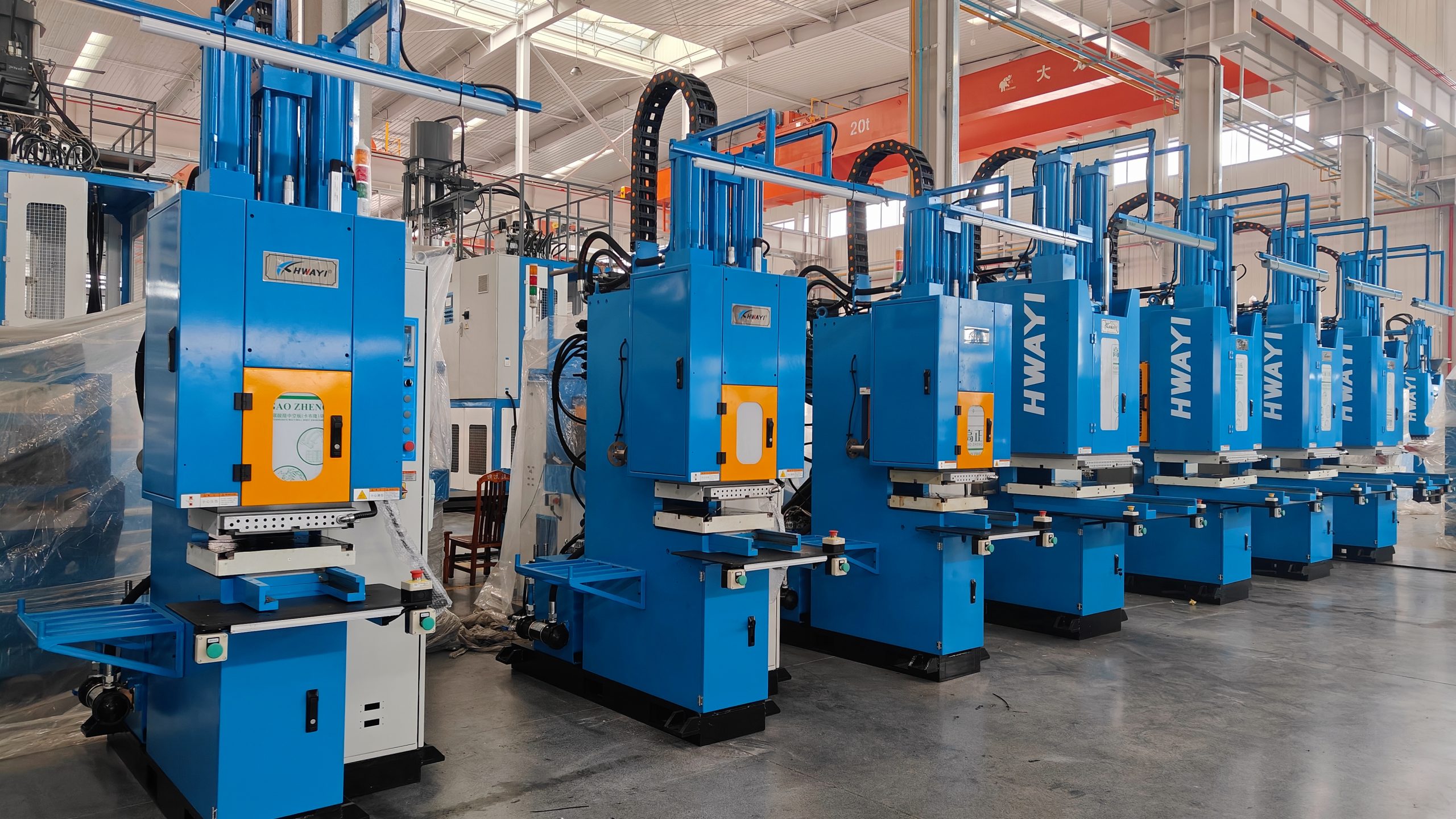
Apply these and you’ll know whether a tweak, maintenance action, or equipment upgrade earned its keep.
Wrap and next steps
Start with vacuum integrity, then fix vents and tune fill/pack timing; if issues persist, evaluate mold and machine upgrades. Practical, testable steps produce reliable outcomes for teams dealing with high-vacuum C-frame challenges—especially on production lines that demand high first-pass yield. For on-the-ground value, partner solutions like improved venting kits and robust horizontal press platforms make the difference—something I’ve seen cut scrap rates on repeat jobs in real plants.
HWAYI offers machinery and support that line up with these troubleshooting priorities—precise clamping, controlled vacuum sequencing, and service that keeps production honest. Trust the data. Trust the fix. —built for the floor.