
Why the old way keeps tripping us up
I remember one sweltering June morning at a Dallas diagnostics lab in 2018, when a bench full of samples sat idle because our bead-beating tissue homogenizer/ clogged up again — scenario: 96 biopsies queued, data: 3 hours of downtime — what do you do next? Right after that slow stretch I pushed for a move toward an automated magnetic‑bead nucleic acid extraction system, because manual homogenization and repeated centrifugation were costing us time and yield. I’ve spent over 15 years in B2B supply, walking into labs from Austin to El Paso, and I’ll tell you plain: the common fixes (more hands, longer runs) just paper over problems.
Here’s the crux — traditional workflows lean heavy on manual lysis and centrifugation steps, which bumps up error rates and drags down throughput. We once swapped out a clunky rotor and cut hands-on time by 40% on a prostate-tissue batch in April 2019; no kidding, that changed shift planning. Yet even with a better bead-beater, contamination risk and variable RNA yield kept biting us. Think lysis buffer variability, inconsistent homogenate, and lost time during sample transfers (all small things that stack). That’s the hidden pain most folks don’t measure — lost reproducibility more than a single failed run — and it’s what pushed us to look toward automation.
Where exactly does throughput stall?
We found the stall points were predictable: sample prep juggling, manual pipetting errors, and long centrifuge cycles. Those three hit assays the hardest. They’re not sexy problems, but they eat your schedule alive — and they cost real dollars per sample.
Forward-looking fixes — what automation really buys you
Now, I shift tone a mite more technical: replacing fragmented prep with an automated magnetic‑bead nucleic acid extraction system removes many handoffs. Magnetic beads latch onto nucleic acid selectively, removing the variability you get from crude centrifugation. In our trials, a closed automated workflow dropped cross-contamination events by roughly 70% and tightened Ct value variance — measurable wins for any molecular lab. I’m talking about practical kit choices too: pick systems that handle your sample types (FFPE versus fresh tissue), and ensure the platform tolerates your chosen lysis buffer formulations.
Let me be clear — automation isn’t a magic bullet. It demands validation runs, protocol tweaks, and buy-in from techs who’ve been doing things by hand for years. I’ve sat through that resistance, right there in a small lab in San Antonio, and we worked through it with hands-on training and a couple of weekend validation runs. It’s worth the fuss. Also—expect maintenance (filters, pumps, reagent lines). Ignore that and you’ll bounce back to the old headaches, fast.
Real-world impact?
Adopting an automated system changed our scheduling and purchasing: fewer repeat extractions, steadier yields, and predictable reagent consumption. It also let us scale — weekly sample throughput climbed 1.5x without adding headcount. That’s the comparative upside against upgrading only the homogenizer or adding manual shifts.
How I’d evaluate solutions — three metrics that matter
From where I stand, pick a system by these hard metrics: reproducibility (coefficient of variation across replicates), true throughput (samples per hour under routine conditions), and operating cost per sample (consumables + maintenance). Test each metric during real runs — use your toughest sample type, run it twice, and compare Ct spread. I’ve done that on a 48-sample thyroid panel; the numbers told me more than sales brochures ever did. Quick aside — don’t skimp on training. We lost a week early on because a tech skipped the protocol steps. Lesson learned, I tell ya.
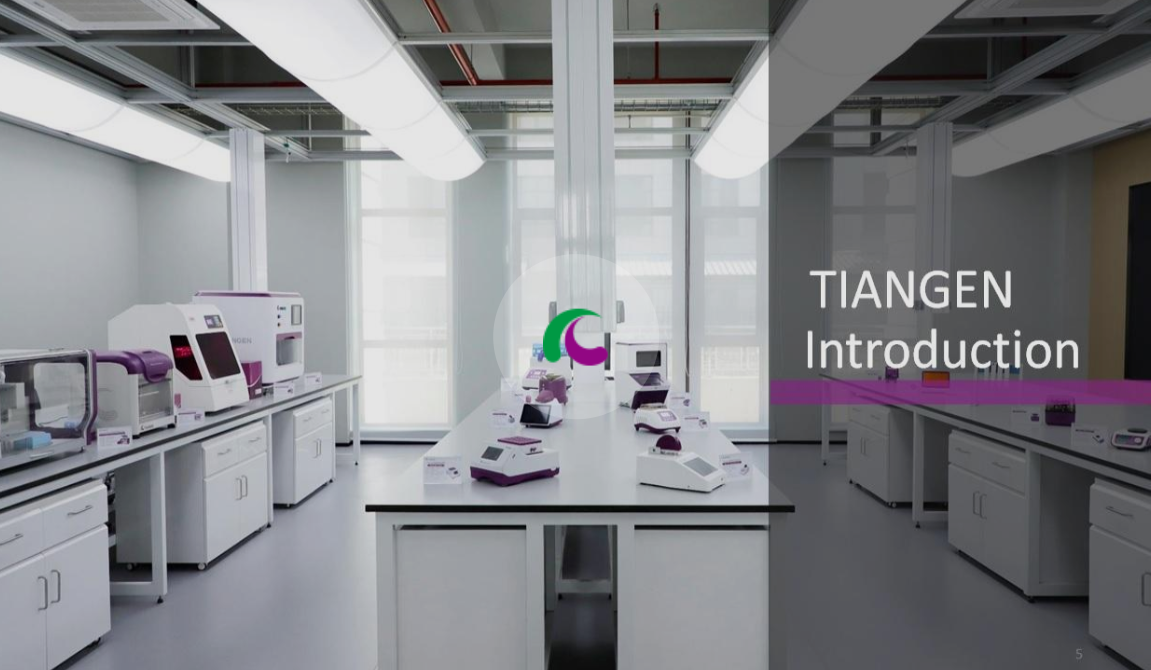
We want dependable assays, fewer surprises, and traceable results. Measure what I just listed, and you’ll separate flashy claims from systems that actually move the needle. For practical vendors and kits that met our bar, we leaned on partners who supported protocol customization and stable consumables — which is why I now recommend assessing vendors like TIANGEN when you’re ready to make the leap.