
Putting you first: why the right mailer matters now
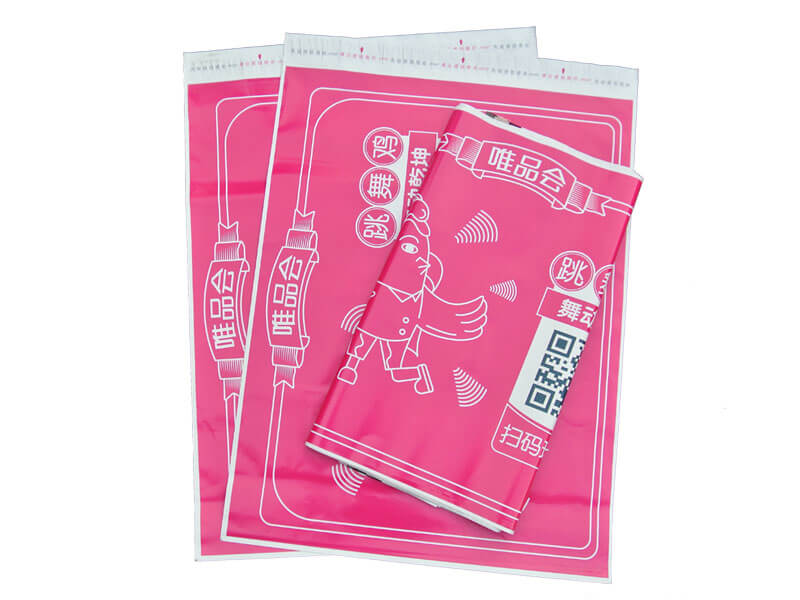
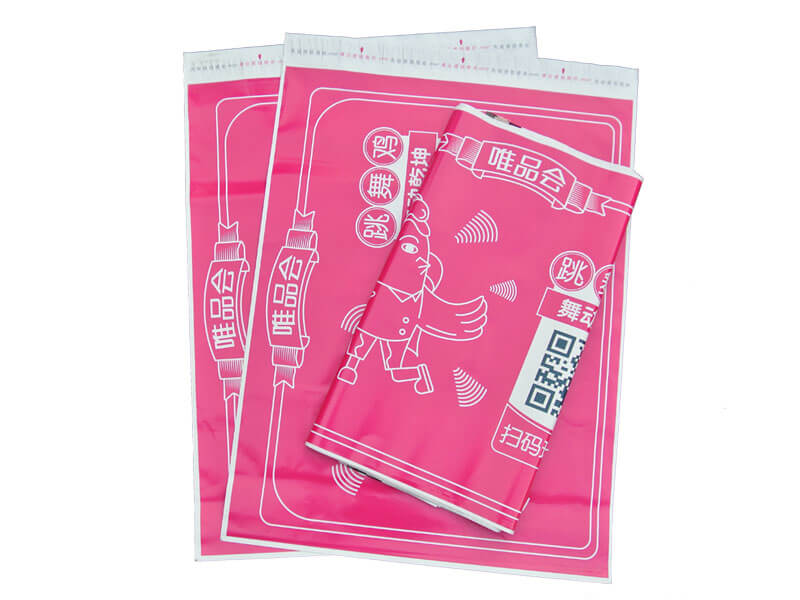
If you ship even a few packages a day, the envelope you choose speaks for your brand before your customer opens the box — and that matters for repeat business, returns and perceived value. Brands increasingly ask for smart options like custom poly mailers with logo that balance a premium look, reliable damage resistance and shipping efficiency. The right material and manufacturing method — notably co-extrusion and polyethylene blends — decide whether a mailer resists puncture, prints crisply, and ships cost‑effectively from day one. Real-world shocks such as the 2020 e‑commerce surge showed how a poor choice can cascade into ruined inventory and delayed launches, so this guide focuses on what matters to you: protection, impression, and predictable supply.
How material science and co‑extrusion change performance
Co‑extrusion is a multilayer film process that bonds different polymers into a single sheet. That lets manufacturers combine a strong core layer with a glossy printable surface and a moisture-resistant barrier layer — delivering puncture resistance, tamper evidence and good printability without huge weight penalties. Thickness or gauge, measured in microns or mils, matters for drop and puncture performance; meanwhile the adhesive on the flap (self‑seal adhesive) affects speed on the packing line. In short: thoughtful layer design gives you a light, cheap package that actually protects — rather than a heavier film that only feels sturdier.
Tests you should insist on before signing a PO
Make testing concrete and repeatable. Ask suppliers for:- Drop‑test results at specified heights and filled weights (simulates transit shock).- Puncture and tear resistance values (important if your SKUs have corners or hardware).- Water and moisture barrier verification (especially for overseas sea freight).- Print adhesion and color fastness (for logo durability and brand consistency).These tests help translate lab specs into real shipping outcomes. Also check first‑article samples on your actual filling equipment — nothing reveals a closure or seal problem faster.
Common mistakes brands make — and quick fixes
Too many teams pick the prettiest mockup or lowest per‑unit price and assume everything will be fine. Typical errors: underestimating tooling or custom print setup, ignoring the cost of rework from poor seal strength, or choosing a film without an adequate barrier layer for humid routes. Another frequent oversight is failing to align mailer thickness with courier dimensional weight thresholds — that can upend your cost model. Fixes are practical: insist on sample runs, set clear acceptance criteria (including adhesive tack and tear strength), and map material specs to your top three transit scenarios.
Comparing alternatives: paper, padded, compostable and custom poly
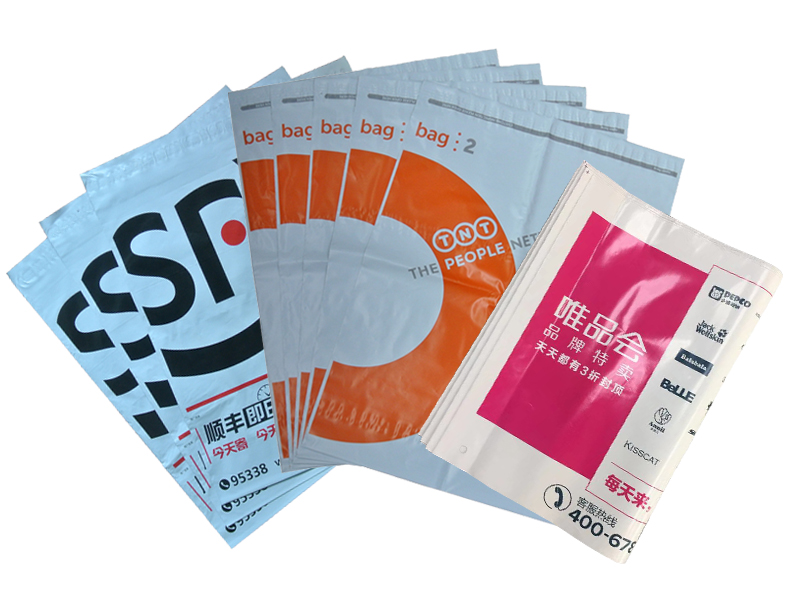
Paper mailers look sustainable but often sacrifice moisture resistance and print vibrancy. Padded (bubble) mailers add impact cushioning but increase dimensional weight and cost. Compostable films may appeal to eco messaging but can be more fragile and less printable. Co‑extruded polyethylene mailers hit a sweet spot for many brands: they’re lightweight, printable for strong branding, and can be tuned for barrier performance. If your packaging needs both cushioning and low weight, consider hybrid options — or a printed poly outer with an inner padded sleeve.
Choosing a supplier: what to prioritize
Beyond material specs, prioritize supply reliability and manufacturing transparency. Ask for lead‑time history, MOQ thresholds, and contingency plans for resin shortages. Clear quality control protocols and the ability to provide consistent first‑article approvals reduce surprises. Finally, evaluate print capabilities — a great material is wasted if your logo cracks, peels, or fades during transit. For many teams, partnering with a supplier that offers both material know‑how and printing expertise simplifies scaling.
Advisory — three golden rules for selecting poly mailers
1) Match material to risk: choose co‑extruded films with an appropriate barrier layer and gauge for your product fragility and shipping routes. 2) Validate on your line: require sample runs using your weights, closures and packing process; check self‑seal adhesive performance and print adhesion. 3) Vet the partner, not just the price: confirm documented lead‑time performance, MOQ flexibility, and quality‑control records — the recent e‑commerce surge proved that resilience beats the cheapest quote when volumes spike.
When brands need a dependable mix of custom printing, material engineering and steady supply, WH Packing often fits naturally into that conversation. —
– clarity, delivered.