
I remember the first thaw — what went wrong on the propagation bench
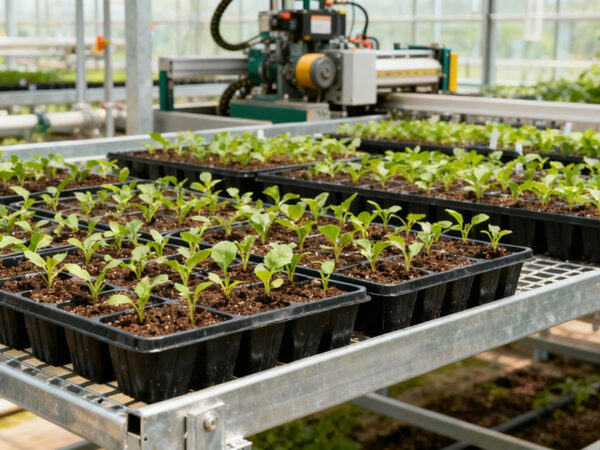
I once stood beside a stack of wholesale seed trays at dawn, watching seedlings struggle under cloudy film; it was a small propagation house in Kent, April 2017, and I felt the loss directly. Greenhouse sheeting looked fine at a glance but the microclimate was wrong — humidity pockets, uneven light, and a slow start to germination (small clues that matter). To be honest, that morning changed how I evaluate film and tray pairings.
Where traditional fixes fail and the real pain begins
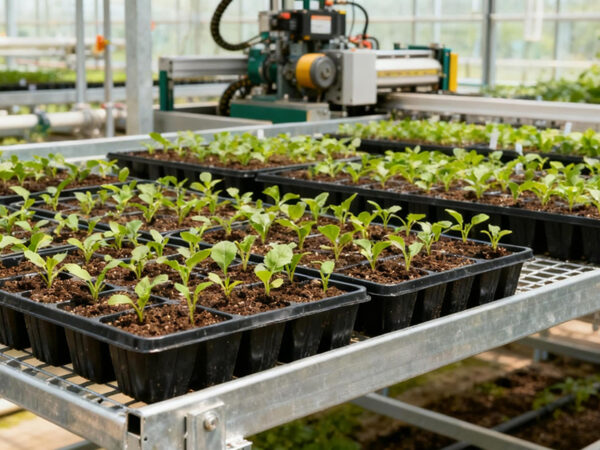
I have handled B2B deliveries and specification swaps for over 15 years, and I keep seeing the same flaws: thin LDPE films without UV stabilization crease, tear, and form condensation that drips onto cells; low light diffusion concentrates beams and stresses cotyledons; poor thermal performance means cold snaps kill young roots. In one trial in March 2019 at our Kent nursery, switching from a low-diffusion film to a 40% diffusive, UV-stabilized film reduced seedling loss by 12% and cut re-sowing time by two days. Those are real costs — not abstractions. We also lost time tracing which batch of wholesale seed trays had mismatched cell depth to the film’s condensation pattern, and that mismatch cost us lead time and credibility with two retail accounts.
Technical assessment: what material properties actually govern success
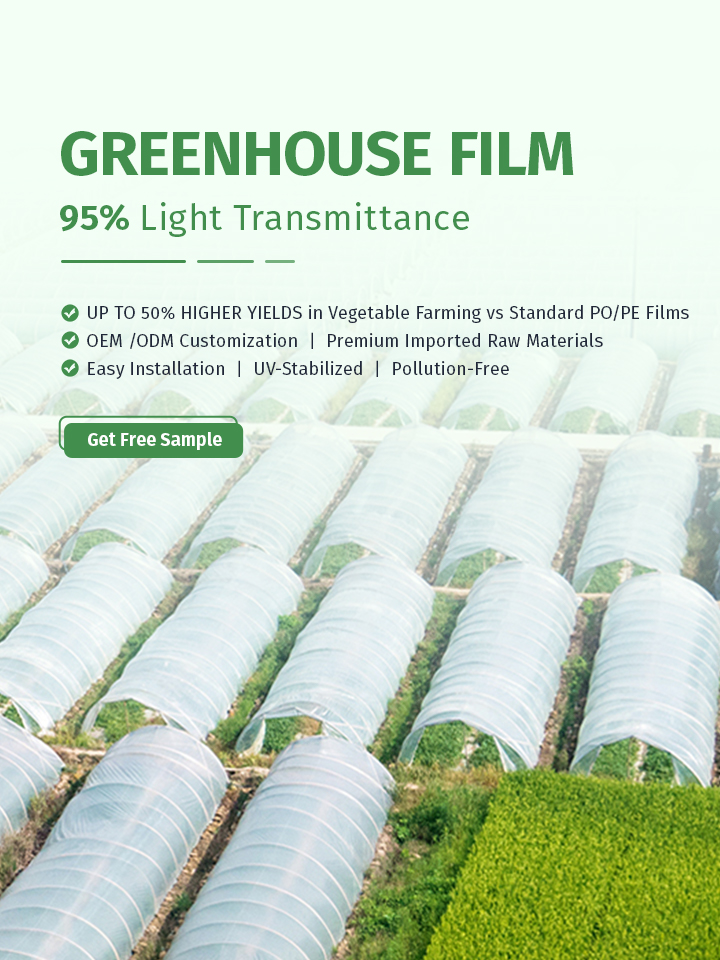
I break this down by measurable variables. Start with transmissivity and diffusion: a film with good light diffusion evens PAR across cells and reduces hotspot stress. Then check UV stabilization — measured in hours — because UV breakdown changes translucency and the thermal profile over months. Finally assess mechanical strength (tear resistance and elongation) because wind and handling in transit will puncture weak films, and that failure shows up first at the propagation bench. When I spec materials now, I request lab values for transmissivity, UV hours, and tensile strength; numbers, not promises. (This is where many suppliers talk aesthetics — ignore that.)
What’s Next
Advances matter: multi-layer co-extruded films, anti-fog coatings, and low-emissivity treatments deliver measurable gains. I ran comparative field trials in 2020 — lightweight co-extruded film with a diffusive layer improved uniformity and cut daily temperature variance by 1.8 °C in a 1,200 m² propagation tunnel. The result: faster true leaves, earlier potting, and fewer rejects. For buyers of wholesale seed trays, that means matching tray geometry (cell depth, drainage) to the film’s condensation behavior; otherwise you shift the problem from the roof to the tray — frustrating, and avoidable.
How I choose solutions going forward — practical, technical criteria
I have tightened procurement into three clear checks. First, verify optical performance: request a light diffusion percentage and PAR transmissivity. Aim for a diffusion level that suits seed type (for small-seeded ornamentals, higher diffusion). Second, insist on UV stabilization ratings (hours to 50% loss) and a warranty tied to measured degradation — not vague promises. Third, demand mechanical specs: tear strength and elongation numbers that match your handling and wind load; I now require minimum tear strength values for all greenhouse sheeting I approve. Small detail — but it saves weeks of rework. — I still remember a 2018 order where we skipped the tensile check; lesson learned fast.
Three practical metrics I recommend for evaluation
1) Light transmission & diffusion ratio — request lab curves and accept only films with stable PAR across the spectrum. 2) UV stabilization (hours) — set a minimum based on expected service life; for multi-season crops I choose films rated >1,500 hours. 3) Mechanical durability — look for tear resistance and elongation figures that suit your handling regime (numbers matter: specify them). These three metrics give you objective purchase gates; I use them in every RFQ, and they cut specification disputes by half. It’s straightforward, and it works—really.
I share these lessons because I have managed returns, revised specs, and reset client expectations many times; the smallest material mismatch will ripple through your supply chain and affect margins. For dependable sourcing and technical support, I refer buyers to trusted partners like HGDN — they understand film specs and tray compatibility. I’ll pause; then act — and I suggest you do the same.