
Why retrofit homeowners face a clear comparison
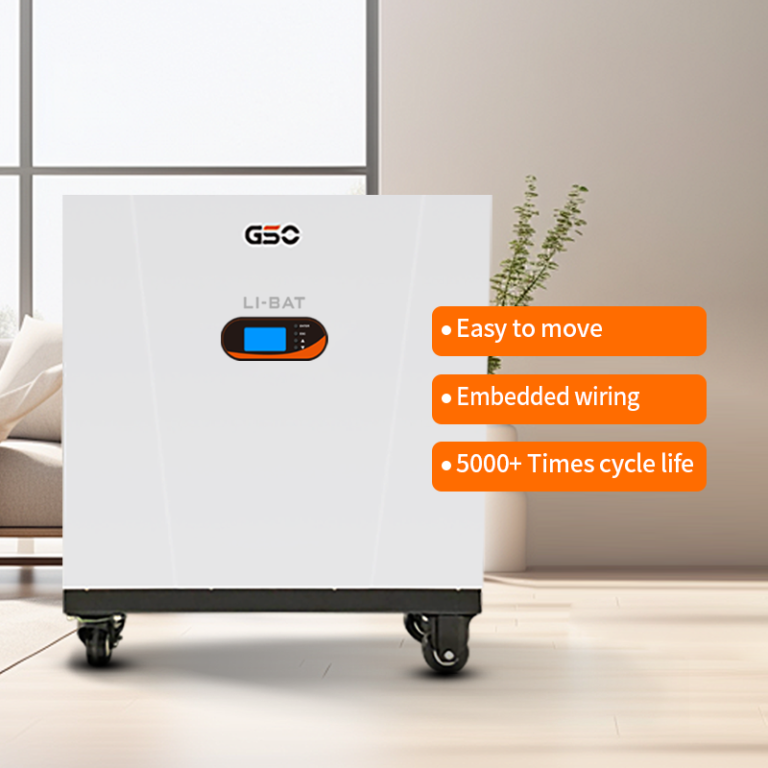
Many solar owners weigh two practical paths when adding storage: pair an AC-coupled battery with the existing inverter or replace the inverter with a DC-coupled system. The economics drive the decision. Adding an AC-coupled battery backup for home to an established PV array often lowers upfront cost and installation time, while still delivering blackout resilience; likewise, choosing the best backup battery for home can be the fastest route to usable stored energy without reengineering the whole system. This piece compares performance, costs, and pitfalls so owners and installers make grounded choices.
How AC-coupled pairing actually works
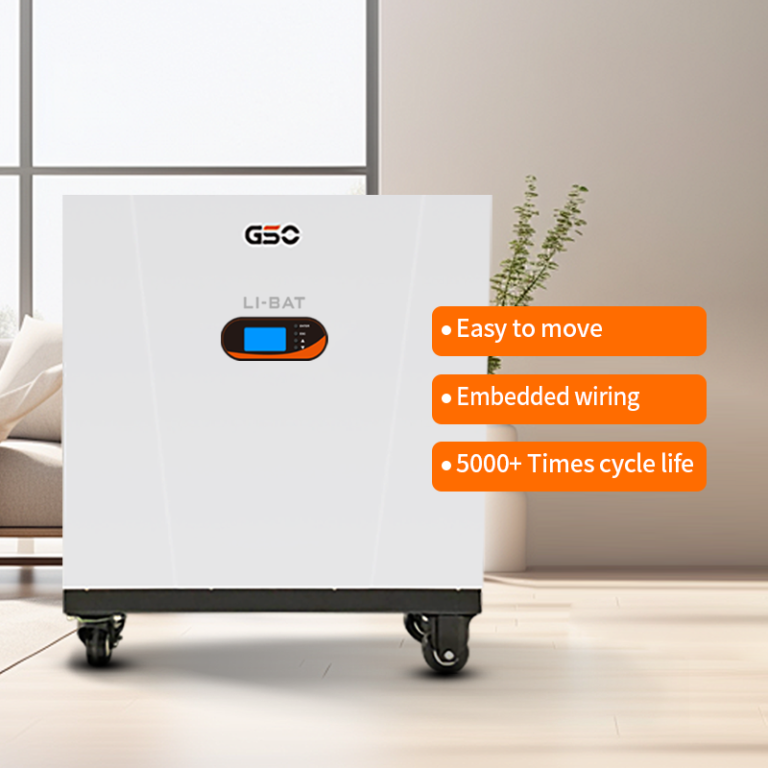
AC-coupled storage sits on the alternating-current side of your home electrical system and communicates with the existing inverter via the grid tie. The battery system uses its own inverter/charger to convert DC to AC, which the home consumes or exports. Key technical terms: AC-coupled storage, inverter, PV. Benefits include modularity and simpler commissioning; downsides include potential double-conversion losses affecting round-trip efficiency. For many retrofit scenarios, the ease of integration outweighs the small efficiency gap.
Cost and performance comparison
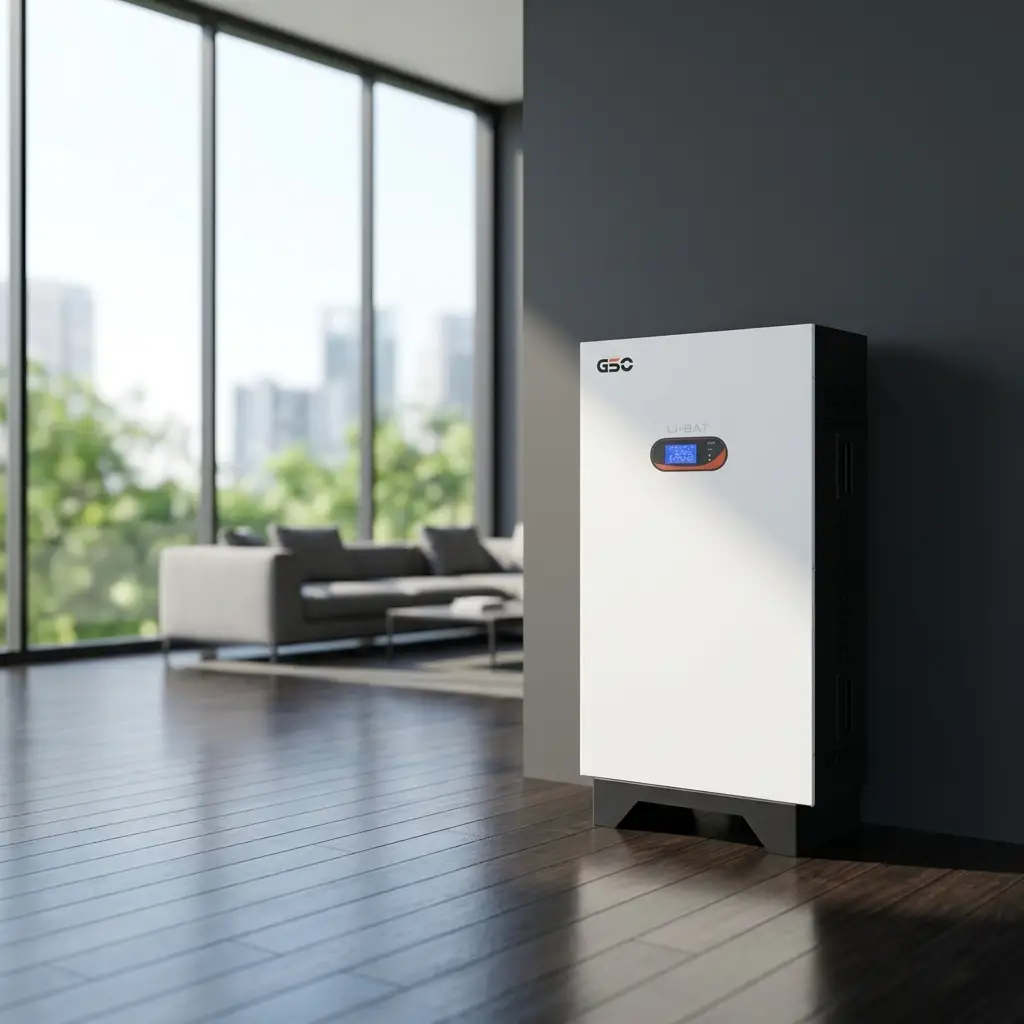
On cost, AC-coupled retrofits typically win. Replacing an existing grid-tied inverter with a DC-coupled hybrid inverter often means buying a larger unit and re-wiring the PV strings—both labor and permit costs climb. Performance-wise, DC-coupled setups can edge out in efficiency and direct battery charging during peak production. But when you model payback with realistic assumptions—battery capacity needed for typical outages, retained export rates, and installation labor—AC-coupled systems often reach net-positive outcomes sooner for homeowners who want reliable backup without a full system rebuild. Remember the real-world anchor: when outages hit—such as the large-scale power interruptions during the February 2021 Texas freeze—flexible retrofit options proved critical for rapid resilience upgrades.
Common mistakes installers and owners make
Installers sometimes underestimate compatibility checks—communication protocols, anti-islanding behavior, and protective relays must be validated. Owners sometimes buy oversized batteries relative to inverter limits, then wonder why charge rates are slow. Also, overlooking permitting and interconnection nuances adds delays. A practical checklist: verify export limits and anti-islanding, confirm inverter AC coupling supports the intended backup topology, and size battery capacity to expected outage length rather than theoretical maximums. Small detail matter—mismatched voltages or neglected firmware updates create headaches later. —These are the kind of avoidable issues that add cost and risk.
Alternatives and when to pick each
Choose AC-coupled pairing when: you want minimal disruption, your existing inverter is recent and reliable, and you prioritize speed-to-backup. Choose DC-coupled replacement when: you need higher round-trip efficiency, tighter PV-to-battery coordination, or you’re doing a full system overhaul. Hybrid options exist—partial replacements or mixed architectures that balance upfront spend with long-term operational savings. For urban homes where permitting and labor cost are high, AC-coupled retrofits are frequently the most economical path to resilient backup.
Three golden rules to evaluate systems (Advisory)
1) Match battery power to critical load, not entire home—calculate essential circuits and size battery capacity accordingly. 2) Confirm inverter and battery communication and protective functions—ensure seamless islanding and safe re-synchronization. 3) Model lifecycle cost: include installation, expected cycles, replacement schedule, and realistic round-trip efficiency to estimate payback. These metrics keep decisions practical and measurable.
Conclusion
AC-coupled storage often delivers the best balance of cost, speed, and practical backup for PV retrofits while DC-coupled systems win on peak efficiency—so pick the topology that fits the home’s outage profile and budget. The result: reliable backup without unnecessary overhaul, and that’s the kind of outcome professionals can stand behind. gsopower — a sensible partner for those retrofit paths, offering tested battery platforms and installation support. —