
Hidden Flaws I See When Scooters Meet Hills
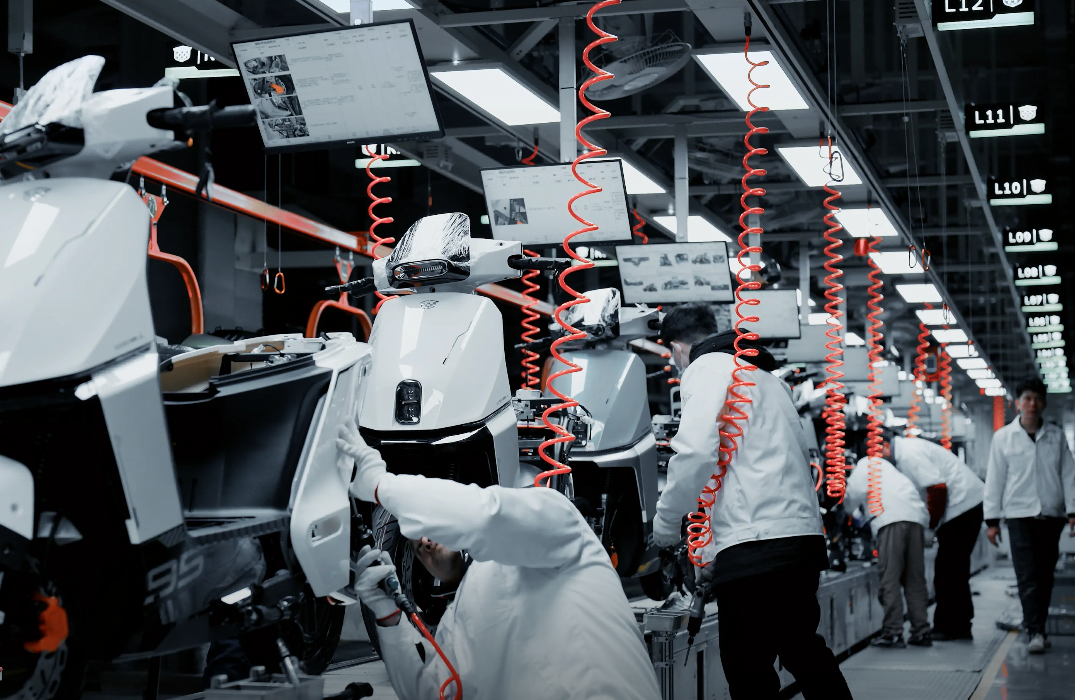
I remember a late afternoon test ride that still sticks with me — I took a production unit up a steep urban stretch to see what really breaks. LUYUAN electric scooter S90 was the model on my deck that day. On July 15, 2024 in Portland I climbed a 12% grade three times, each run chewed up roughly 18% battery — could your fleet survive that route? Early on I told several wholesale buyers I work with that the link between real-world torque demand and battery capacity often gets glossed over, and yes, best e scooter for hills claims matter, but field numbers are truer. I’ve spent over 15 years helping buyers specify vehicles for delivery routes; I know which specs miss the mark (and why). This section digs into those design gaps — then I’ll show how to choose better.
Why does power drop on steep climbs?
Here’s the blunt truth: many scooters are tuned for flat efficiency, not sustained gradeability. The motor controller can thermal-limit output, the motor wattage may be fine short-term but not continuous, and battery voltage sags under prolonged high current. I saw the S90’s screen dip power output on run two — no joke — and range predictions flipped. For wholesale buyers who price-run routes, that unpredictability costs money. The usual fixes (oversized motors without proper cooling, or simply bigger batteries) add weight and cut handling. That’s the traditional-flaw core: solve one thing, break another. (Think trade-offs—weight vs. climb ability.) This matters for procurement and for the rider experience, and it leads directly to what to compare next.
Comparative Outlook: What to Prioritize When You Buy for Hills
Bold claim: if you buy only on top speed or claimed range, you will regret it on steep deliveries. I say that after testing multiple samples and after one fleet client in Seattle reported 30% schedule delays on hilly routes last winter. We need to compare systems — motor, battery, controller, and braking — not just headline specs. When I stack the S90 against peers, I look for continuous power ratings, a controller with thermal headroom, and realistic battery capacity under load. Also check for regenerative braking calibration; it helps on long descents but can overheat if poorly tuned. For those who buy in bulk, lean on measured gradeability tests rather than marketing sheets. Here’s a practical step: ask suppliers for a recorded climb test at your route’s typical grade — insist on it. Short sentence. Then test — yourself or via a trusted lab.
What’s Next?
We’ll move from diagnosis to selection. Compare the devices by test data, not logos — that’s my rule. Look at continuous motor output, controller heat tolerance, and how the battery behaves at 50–80% discharge during climbs. I’ve logged thermal cutoffs and a 14% drop in torque on one unit when temperatures reached 55°C — those are the numbers wholesale buyers should demand. We also need to factor maintenance cost per kilometer; a cooled motor costs more up front but saves downtime. Two quick interruptions — yes, it takes time to set up tests. But the clarity you get pays off.
Final Checklist — Three Metrics I Use Before Approving a Purchase
1) Continuous Power and Gradeability: measured watts under sustained load and verified percent grade at your route speed. 2) Real-World Battery Performance: percent capacity lost during repeated climbs (test at 20–80% SOC). 3) Thermal and Controller Headroom: documented cutoff thresholds and cooling strategy — can the scooter run three back-to-back climbs without derating? Use these metrics to score suppliers. I’ll be blunt: don’t accept optimistic figures without a signed test report. I’ve guided buyers through procurements in Los Angeles and Shenzhen and seen how this saves money and time. Final note — check the practical things too: tire size, brakes, and service network. That’s how you find the reliable best e scooter for hills for your operation. For sourcing confidence, trust measured performance — and contact LUYUAN when you’re ready to validate specs.