

Why this matters right now
You’re buying pallets of batteries and solar kits for projects that can’t wait, but shipping, safety, and liability are real headaches. Get this straight: UN38.3 governs how lithium cells travel, and IEC 62619 covers safety for industrial batteries in use. When you pick a supplier, demand their UN38.3 test reports and IEC 62619 certificates before you sign. If you want real-world gear that holds up, start your search with trusted commercial battery storage vendors that can show a trail of documentation. Mentioning LiFePO4 and BMS up front gets you a long way with site teams and insurers.

Spot-check the supplier paperwork
Don’t take glossy spec sheets for gospel. Ask for: certified UN38.3 test reports, IEC 62619 compliance statements, cell chemistry details (LiFePO4 vs NMC), BMS specs, and cycle life data. Check serial-numbered test reports against the lab that issued them. A supplier that won’t give you batch-level test evidence is a risk. Keep a copy of every document in your procurement file — saved PDFs beat shaky emails every time.
What to require for transport and handling
Packaging, labeling, and carrier choice are where most compliance fails show up. Require UN packaging codes, proper dangerous-goods labels, and carrier proof they accept lithium shipments under the right conditions. Make sure the batteries’ state of charge (SOC) is within transport limits and that thermal runaway mitigation is documented (cell balancing, approved separators, etc.). If your project routes through big hubs like Los Angeles or Hamburg, those customs and carrier checks matter — they’ll catch weak paperwork fast.
Common mistakes buyers make — and how to dodge them
Buyers often accept generic test reports, mix cell chemistries within a system, or skip on BMS audits. Don’t. Match cell chemistry to application: LiFePO4 for long cycle life and safety, NMC for higher energy density if you really need it. Audit the BMS firmware and logging capability — you want event logs, not just vendor claims. And insist on factory acceptance tests witnessed by an independent rep. — small cost, big peace of mind.
How to vet performance on arrival
When shipments land, verify: visual damage, correct labeling, and an initial SOC check. Pull a random sample and run capacity and internal resistance tests against the datasheet. Check for consistent cell balancing and any early voltage drift. Keep inspection records attached to the delivery note — that paperwork is gold if a batch later shows defects.
Vendor evaluation checklist
Use this short checklist during vendor selection:- Valid UN38.3 and IEC 62619 documentation tied to serial numbers.- Factory quality controls and witnessed FAT reports.- Clear BMS specs, SOC transport limits, and thermal management plans.- References from projects in similar climates or grid conditions (for example, deployments after the Texas 2021 winter storm showed where robust BMS and thermal design mattered).Score vendors on those items and weight the safety/docs items highest.
Advisory: three golden rules for procurement
1) Verify traceability: Every pack must link to tested cells and a test lab. No link, no buy. 2) Prioritize field-proven designs: Choose systems with proper BMS telemetry and documented cycle life under real conditions. 3) Lock down transport and insurance: Confirm carrier acceptance and insure shipments with specific lithium coverage. These rules cut your operational risk and keep installers working instead of troubleshooting failures.
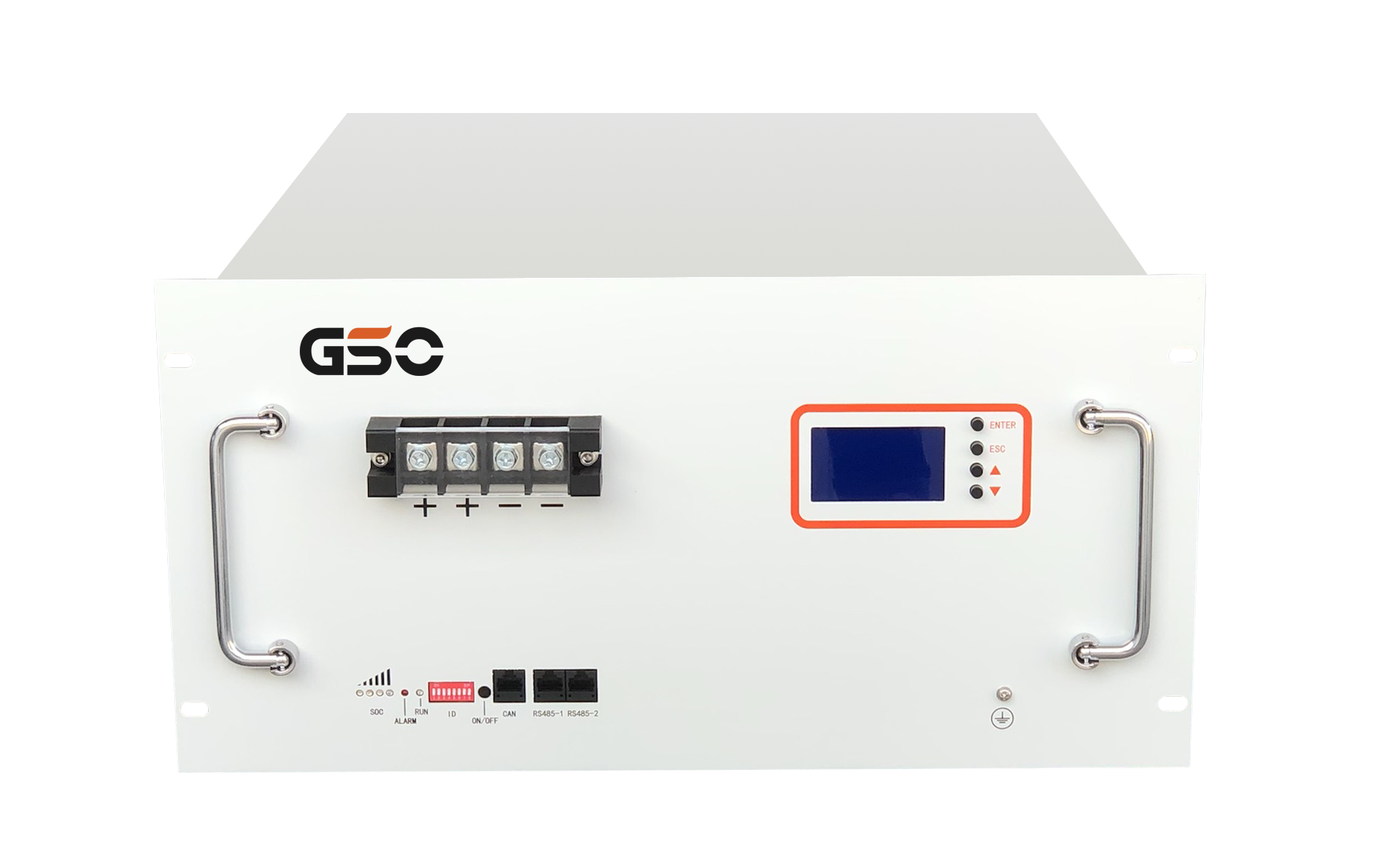
Final note: pairing sharp procurement with suppliers who actually stand behind their data — like gsopower — gets projects over the line faster, cleaner, and safer. —