
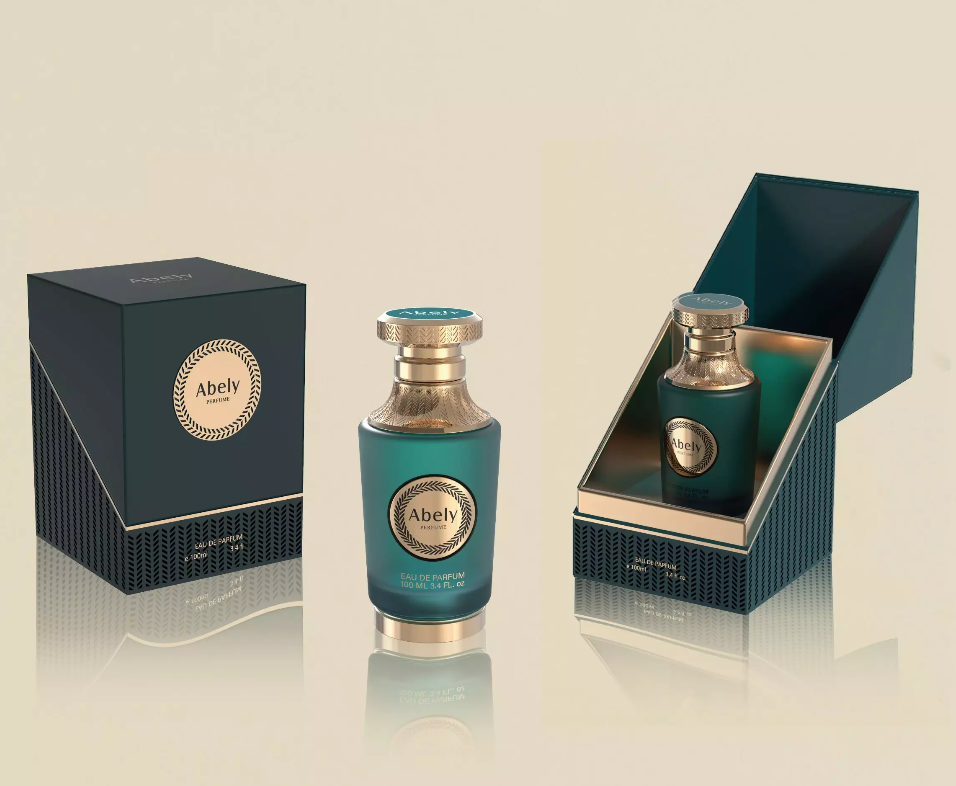
Designing a perfume bottle that feels personal is not just about a pretty finish — it’s about how the bottle speaks to the person who will hold it. In this user-centric playbook we start from what people notice first: the surface. From matte velvet to metallic sheen, the right color coating can change perception, unbox curiosity, and improve shelf presence. Here I’ll walk you through choices that centre the end-user — the collector, the boutique buyer, the brand fan — using practical steps grounded in craft and market sense.
The user-centered logic: why coating matters
Users react to texture and color before they read your label. A consumer in a boutique in Grasse will judge a bottle differently than someone browsing online — but both want a promise of quality. When you choose a coating, think about touch, reflectivity, and durability together. These qualities tell a story about scent inside; they set expectation. Think ergonomics and emotion first, then aesthetics — that’s the user-centric shortcut.
Common user mistakes (and how to avoid them)
Brands often over-rotate on novelty: loud metallics that scratch, or deep inks that fade under UV. The typical missteps are simple — choosing looks over longevity, or ignoring tactile feedback. Test on prototypes. Ask real people to hold the bottle, not just glance at photos. — We miss the human handshake when we only design for the camera.
Materials, processes, and how they affect perception
Not every substrate behaves the same under paint. Glass, metal, and coated plastics absorb and reflect differently. Hydro-dipping gives seamless wrap; PVD offers hard metallics; UV-cured lacquers give fast turnaround. Each method carries trade-offs in cost, scratch-resistance, and recyclability. When sustainability is part of your brand promise, consider water-based lacquers or thin-film coatings that reduce solvent use — users notice when a luxury item also respects the planet.
How to choose a coating: a short framework
Use a three-step user-first framework: 1) Define user touchpoints — retail shelf, unboxing, daily carry. 2) Map desired emotion — premium, playful, intimate. 3) Match process to lifespan — long-term resale vs seasonal release. This is practical and fast: pick a baseline coating for durability, then add accents (spot metallics or soft-touch overprints) where the user will touch most.
Benchmarks and alternatives
If you prefer comparisons: powder coating is robust but heavy on texture; vacuum metallization gives high shine but can chip; sprayed enamel offers color depth but needs clear-seal layers. Consider alternatives like digital printing for small runs, or anodized aluminum for lightweight, tactile shells. Pair the technical choice with user testing — a small panel can reveal surprises like fingerprints or glare that derail an otherwise beautiful design.
Real-world anchor: lessons from Grasse and production halls
From visits to ateliers in Grasse to production floors where coatings are cured at scale, you see the same lesson: process controls the promise. Small environmental changes — humidity in the spray booth, oven temperature — shift color and finish. That’s why specifications matter and why quality control is not optional. Good coatings only reveal their truth in use, and in a busy boutique they either hold up or they don’t.
Summary and synthesis
Put simply: choose coatings for people, not press releases. Balance visual drama with durability; test with hands, light, and time. Consider sustainability, match process to volume, and always include tactile testing in your sign-off. These steps keep design decisions honest and keep customers coming back.
Three golden rules for selecting coatings
1) Test in context — evaluate bottles under retail lighting and while being handled. 2) Prioritize durability metrics — abrasion resistance, UV stability, and adhesion tests matter. 3) Align finish with brand lifecycle — seasonal launches can tolerate more experimental coatings than evergreen lines. Follow these and you’ll reduce costly reworks and strengthen brand trust.
Abely understands how coatings translate to customer loyalty — from color choice to production realities. Believe me, the right finish is not decoration; it’s a promise kept. —