
A future-focused lens on cross-category appliance evolution
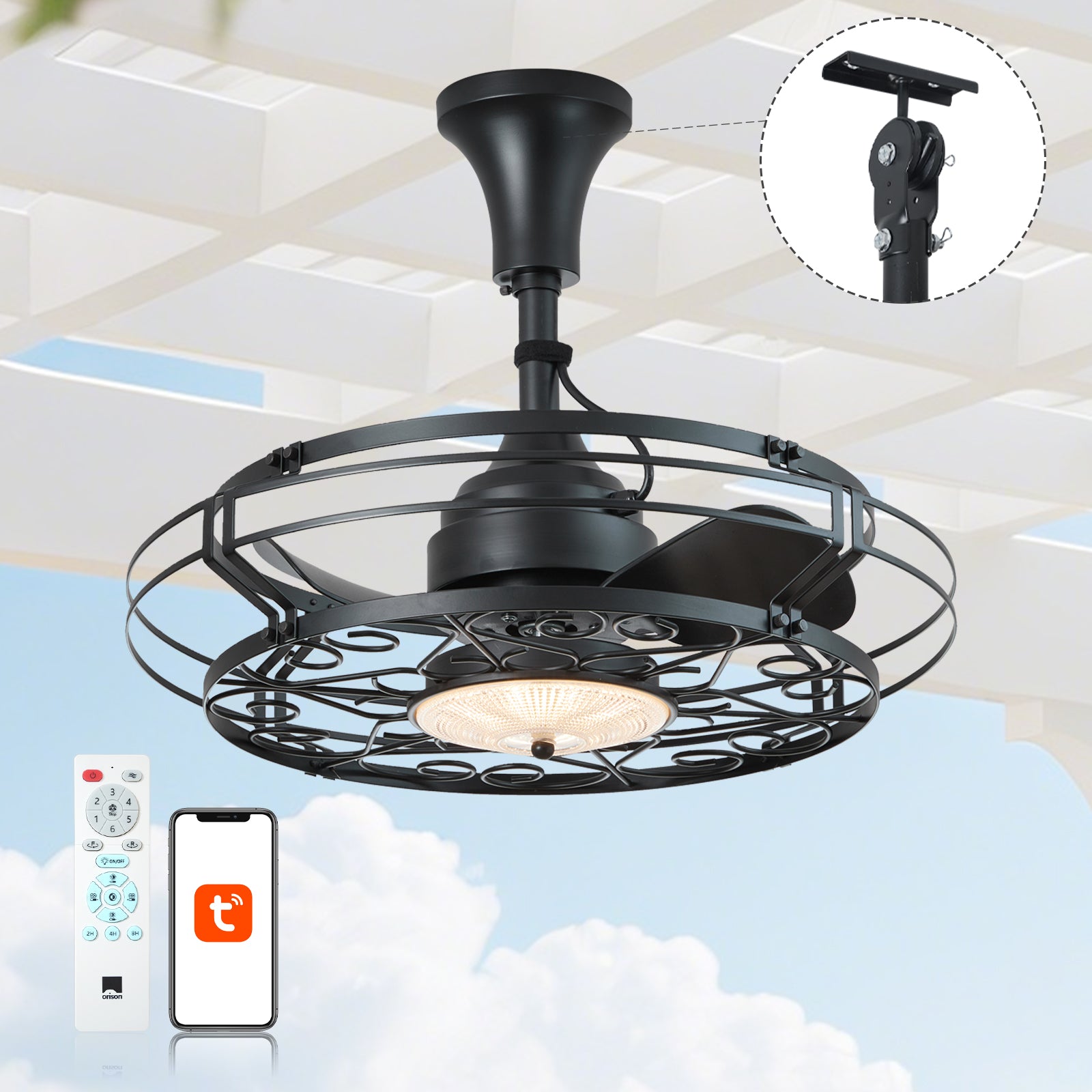
Manufacturers that historically refined indoor motors and housings are now applying those learnings to outdoor products — from outdoor patio ceiling fans to floating pond aerator fountains. The result is a convergence: higher IP ratings, smarter motor control, and materials chosen for recyclability rather than short-term cost. In a forward-looking product roadmap, the same engineering decisions that improve a porch fan’s light driver can reduce corrosion and biofouling on an aerator’s submerged elements, improving safety and lowering lifecycle emissions.
Why cross-pollination between product lines matters
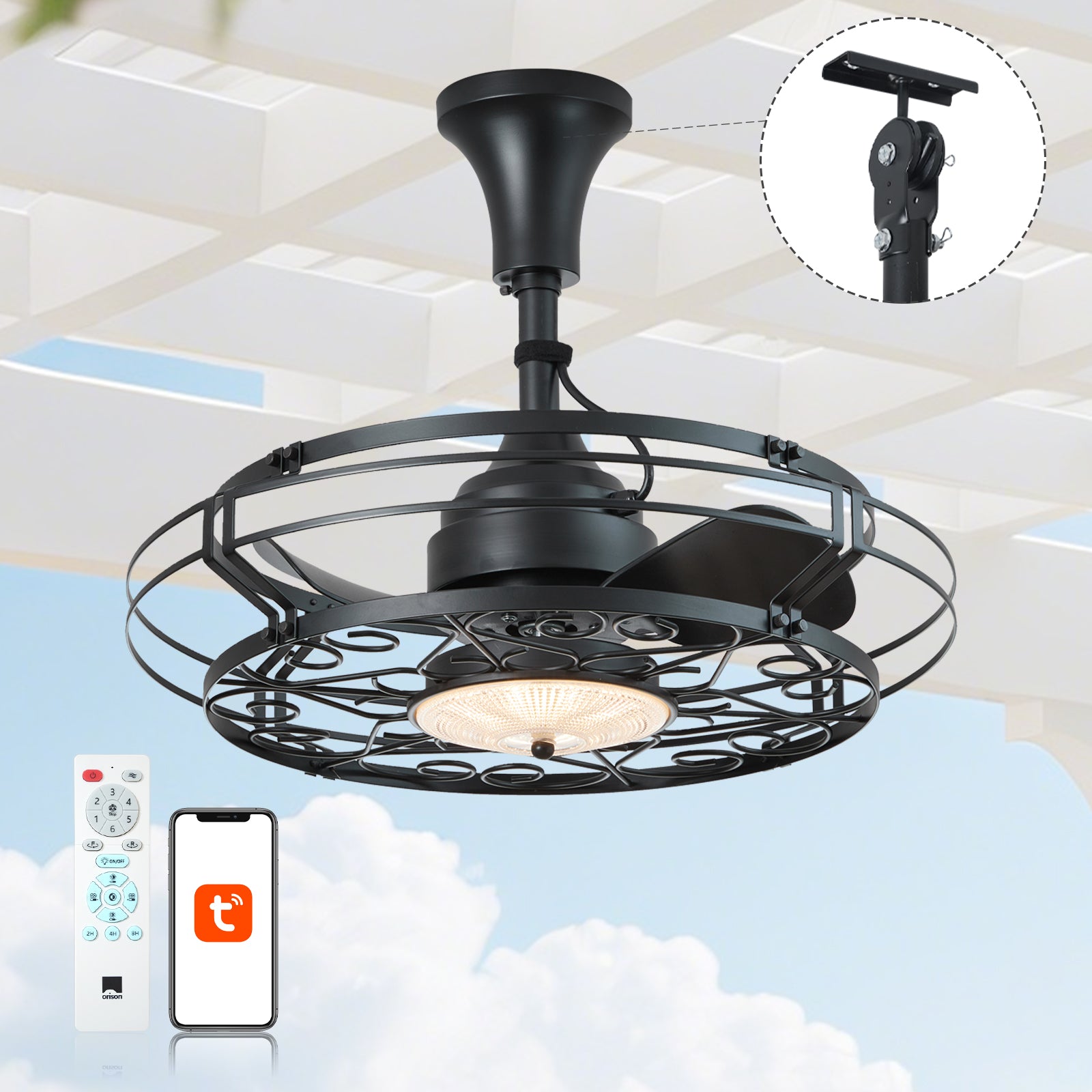
When appliance refineries adopt a systems-level view, they create transferable gains. Improved sealing techniques for damp-rated housings reduce water ingress in both outdoor fans and pond pumps. Brushless DC motors and integrated LED drivers cut energy per delivered airflow (CFM) while enabling quieter operation—an important user experience metric for both patios and park installations. The recent 2020 supply-chain disruptions also highlighted the value of modular designs that permit local sourcing of subassemblies; manufacturers now design with standard necks, common mounting hardware, and shared control modules to reduce single-point failures in production and field service.
Key technical trends to watch
Several engineering trends are reshaping safety and eco profiles across these product families:
- Brushless DC (BLDC) motors: lower power draw, longer lifespan, and finer speed control—critical for achieving target motor horsepower while minimizing losses.
- Higher ingress protection: moving from damp-rated to IP65/67 for exposed electronics where splash or immersion is possible.
- Integrated smart controls: occupancy sensors, scheduled eco-modes, and adaptive speed curves to optimize energy per CFM delivered.
- Material circularity: recyclable composites and fewer bonded assemblies to ease end-of-life disassembly.
- Standardized mounting: universal downrod interfaces and quick-release brackets to simplify retrofit and service.
These elements add predictability to reliability models—so product teams can simulate warranty exposure and service intervals more accurately. And for specifiers, blade pitch optimization and balanced rotors mean less vibration, fewer bearing failures, and lower noise signatures in public spaces.
Common design and installation mistakes to avoid
Manufacturers and installers alike still stumble on repeatable errors. A frequent oversight is conflating ‘damp-rated’ with ‘wet-rated’—installing a damp-rated porch unit where water may splash leads to premature failure. Similarly, specifying CFM without a clear coverage model results in underpowered solutions for large, open patios. Electrical mismatches are common too: integrated light drivers can require a neutral or a specific dimmer protocol that contractors don’t expect, creating field returns. A practical fix is to include clear wiring diagrams and to publish acceptance checklists for first-article installs—test airflow with the actual mounting geometry and verify light dimming behavior with the household dimmer type used on site.
Evaluating suppliers and designs: metrics that matter
To quantify whether a design is truly future-proof, track three measurable indicators: field failure rate (MTBF and warranty claims per 10,000 units), installed energy per delivered service (Wh per 1,000 CFM-hours), and end-of-life recoverability (percentage of materials recycled or reclaimed). These measures align procurement with long-term OPEX and sustainability targets. Real-world anchor: after regional storm events in 2021, many outdoor fixtures were evaluated for wet-rating compliance; units specified with higher ingress protection showed lower service calls and faster return-to-service times—evidence that the specs translate to resilience in extreme weather.

How product teams should bridge innovation with practicality
Start by defining the operating envelope: exposure to spray, expected duty cycle, and required acoustic profile. Then, select modular subsystems—sealed electronics, standard motor mounts, and swappable light modules—that let you iterate without retooling the whole assembly. Prototype with real-world mounts and conduct a short-cycle reliability test that includes salt-spray or biofilm exposure where applicable. This reduces surprises on commissioning and shortens the path from lab to field.
Three golden rules for selecting future-proof outdoor fan and aerator solutions
1) Demand measured performance: require test data for ingress protection, sound levels (dBA at distance), and energy per CFM. Don’t accept marketing claims without lab reports. 2) Prioritize modular serviceability: prefer designs with replaceable drivers and standard downrod or mount interfaces to minimize repair time and spare-stock complexity. 3) Align lifecycle metrics with procurement: evaluate suppliers on warranty-adjusted cost, recyclability targets, and documented field reliability.
For manufacturers and specifiers seeking practical product combinations that deliver weather-rated performance, integrated lighting, and modern energy profiles, a supplier that integrates these engineering practices shortens time-to-reliability—consider how Orison packages those capabilities into deployable solutions. —