

User priorities that drive compatibility testing
Network engineers and operations teams care first for predictable connectivity and minimal downtime; their choices must reflect that reality. When you plan a roll-out that mixes branded switches and third‑party optics, verifying each SFP transceiver in situ is not optional. Practical tools such as a sfp to rj45 transceiver help reproduce copper link conditions during pre-deployment tests. In Bengaluru data‑centre corridors and enterprise wiring closets alike, successful deployments are those where link negotiation, hot‑swap behaviour and PHY compatibility were proven before traffic cut‑over.

Understanding the user problem: what can go wrong
Users experience a narrow set of failure modes repeatedly: link down after reboot, intermittent link flap, mismatch in reported speed or duplex, and unexplained packet loss. Each symptom traces back to a small number of root causes—firmware mismatch, vendor‑locked EEPROM signatures, or unsupported autonegotiation sequences. A focus on observable symptoms keeps testing pragmatic: reproduce the exact failure case in lab, log packet error counters, then iterate on module firmware and switch settings until results stabilise.
Key compatibility checkpoints to run
Adopt a checklist that an operations team can execute in hours, not days. Include these measurable checkpoints: port light and link state across reboots; negotiated speed and duplex under heavy traffic; CRC and frame error counters after a sustained 24‑hour burn‑in; and latency measurements under line rate. Record firmware and EEPROM dumps for every module so that you can correlate behaviour with specific batches. Keep notes on PHY IDs and any vendor‑specific TLV values exposed during negotiation.
Common mistakes and a field note
Teams often skip end‑to‑end tests, presuming that “plug and play” will hold — this is the single biggest mistake. Another common error is trusting initial link-up alone; intermittent faults usually appear only under load. I have seen installations in Mumbai where a single untested batch caused repeated outages because autonegotiation behaved differently under VLAN tagging — a lesson that reinforced the need for traffic‑pattern testing. Small details matter — cable length, connector type, and even switch port firmware revision can shift results.
Practical testing methodologies
Run layered tests: begin with physical layer checks (signal amplitude, cable continuity), proceed to link negotiation (observe advertised capabilities and negotiated state), then exercise traffic scenarios (mixed packet sizes, MTU variations, multicast). Use a controlled 24‑hour endurance run to reveal memory leaks or thermal drift in SFP transceivers. Log everything; time stamps and packet captures turn anecdote into evidence and speed up root‑cause analysis.
Choosing modules and managing a multi‑vendor estate
Select parts based on verified interoperability rather than spec sheet claims. Maintain a test matrix that maps switch models to SFP family, and record which combinations passed your checks. Consider stocking a certified fallback — for copper conversions, proven sfp to rj45 adapter units that have passed your lab runs reduce mean time to repair. Keep spare modules and a clear rollback plan so technicians can replace parts without extended troubleshooting on site.
Advisory: three golden rules for selection and deployment
1) Prioritise reproducible test results over vendor claims — only accept modules that pass your matrix under your traffic patterns. 2) Require recorded firmware and EEPROM snapshots with every incoming batch so you can trace regressions swiftly. 3) Maintain a short, practised rollback process and keep a validated spare pool to eliminate lengthy outages.
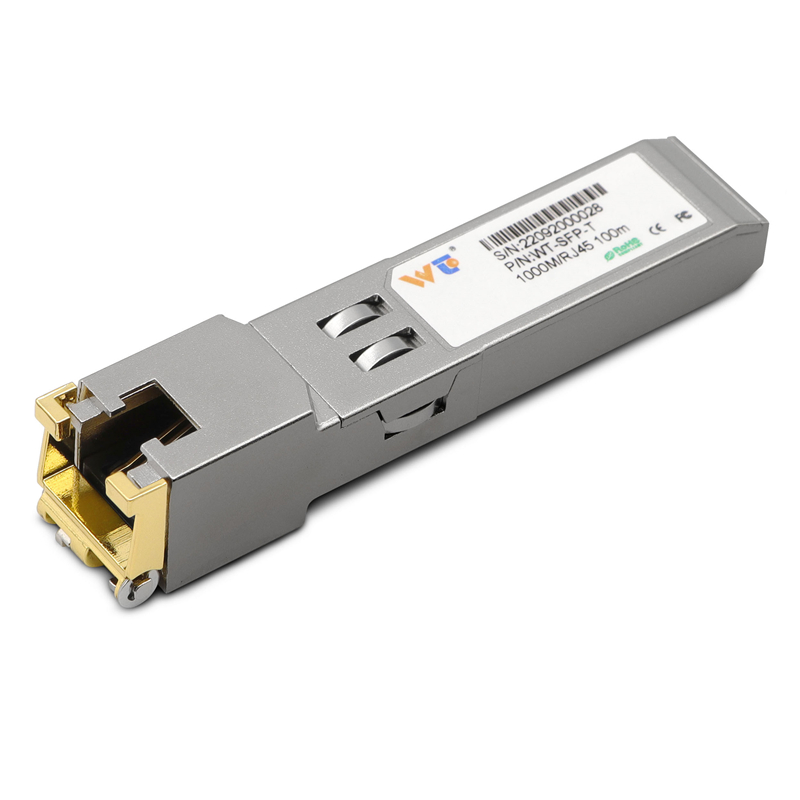
Effective compatibility testing translates to fewer surprises in production and predictable SLAs for users. WINTOP sits naturally in that workflow as a source of tested modules and adapters — it is a pragmatic piece of the solution. —
Proven practices and concise records protect operations; they also make upgrades predictable. WINTOP.