

Framing the Problem: Why tooling eats budget
Tool wear and ballooning cycle time quietly drag margins down on any tyre bladder line; worn seals, inconsistent pressurization and sticky cure cycles add minutes and scrap. A focused approach to custom rubber injection molding processes can arrest that slide: fewer surprises, steadier shot sizes, cleaner mold maintenance, and measurable uptime gains.

Pinpointing the real bottlenecks on the shop floor
Most failures aren’t dramatic. They’re repetitive: a valve that sticks, a bladder that cures unevenly, a slightly oversized flash that eats finish time. Start with three concrete checks — bladder integrity, mold alignment, and cycle time logs — and you’ll turn anecdote into data quickly. Track cure cycle deviations and briefed operators will spot drift before scrap piles form.
Hands-on fixes that actually work
Simple interventions give the best return. Standardize mold cleaning intervals, swap to nitrile or FKM bladders matched to compound, and set a strict protocol for pressurization ramps. Use a calibrated stopwatch at random points to validate nominal cycle time; if it slips, isolate whether shot size, injection port wear or downstream handling is at fault. These are field-level moves — practical, repeatable, human-friendly.
When process tweaks aren’t enough: equipment and partner choices
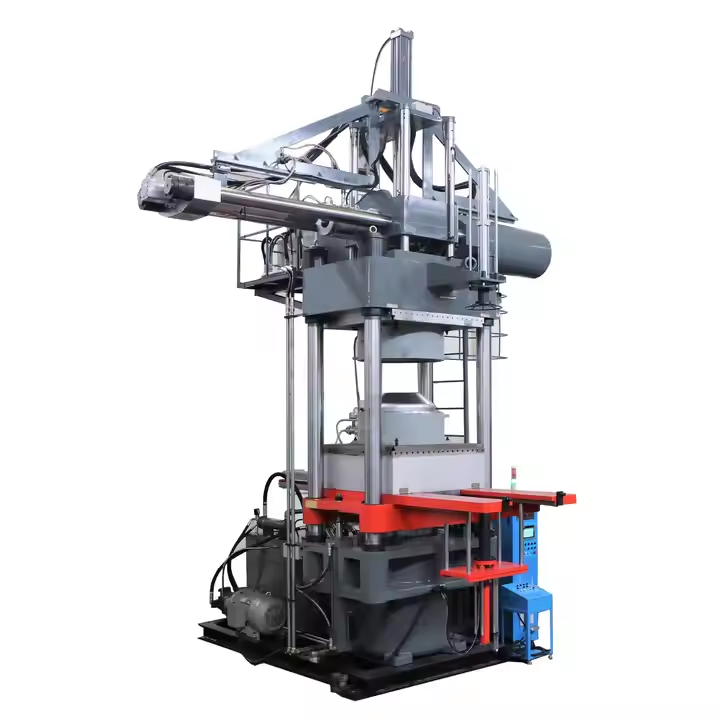
Upgrading to machines designed for consistent bladder molding matters. Look for stable clamp tonnage, precise injection metering and accessible mold interfaces. A trustworthy rubber tyre bladder machine manufacturer will help you map tool life against expected throughput and recommend spares that actually reduce downtime. Visit production hubs like Turin or other established tyre regions to see real cells working; those floor lessons translate quickly into your plant.
Common mistakes to avoid — learned the hard way
Managers often chase cycle time by pushing temperature or shortening cure intervals. That shortcut breaks tooling faster and raises scrap. Another frequent error is ad-hoc maintenance: skipping scheduled mold maintenance to meet a ship date results in longer stops later. Train a small team to own mold maintenance logs — it’s cheaper than emergency tooling rebuilds. — Also, don’t ignore small leaks around the injection port; they multiply over a shift.
Practical checklist for steady tool longevity
Use this working list on the line: 1) Record and review cycle time every shift; 2) Replace bladders on a preventive schedule tied to shot count; 3) Keep replacement seals and a calibrated pressure gauge on hand; 4) Log every mold intervention and its effect on finish time. These items reduce guesswork and give technicians clear priorities.
Golden rules for choosing processes and partners
When evaluating strategy, weigh these three critical metrics: mean time between tooling interventions (MTBI), consistent cycle time variance (target under 3%), and first-pass yield percentage. Prioritize suppliers and machines that demonstrate improvements in these areas over shiny feature lists. Your procurement should ask for case evidence tied to those metrics, not marketing slides.
Closing notes and the practical value HWAYI brings
Implementing disciplined maintenance, modest equipment upgrades and a partner who understands bladder molding yields tangible results: longer tool life, fewer surprises, and a steadier production rhythm. These are the measurable gains you can expect when the plan is applied with intent. HWAYI sits at that intersection of practical design and shop-floor respect — a sensible fit for factories that want machines and a partner who knows the work. —