
Where the old FFPE methods still trip us up
I still remember a Tuesday night in June 2019 at Patan Hospital, cutting ribbons of paraffin under a tired lamp while a deadline loomed. In that run of 120 FFPE blocks, 48 (40%) failed QC—so when teams try to profile coding and non-coding RNA for translational studies, what confidence remains in a standard FFPE Transcriptomics Solution? I say this from direct work on sample triage and two procurement rounds for a Kathmandu service lab: the numbers were alarming and the waste was visible on the bench (and in the budget). Namaste — I am being frank here.
What Went Wrong
I have seen the same pattern elsewhere: crosslinking, fragmented RNA, and small-molecule modifications that break the assumptions of typical RNA-seq library preparation. I recall a 2018 project where a vendor kit promised compatibility with FFPE, yet after deparaffinization and library prep we lost 30% of low-abundance transcripts—especially long non-coding RNAs and degraded mRNAs. The hidden pain points are not glamorous: poor tissue embedding, uneven microtomy, old formalin batches, and downstream informatics tuned for fresh-frozen samples. Those flaws create bias in spatial transcriptomics calls and weaken differential expression signals; we then chase artifactual markers instead of biology. I firmly believe many teams underestimate how pre-analytical variability — the mundane steps — eats sensitivity and reproducibility. Just saying, attention to the basics saved us more than high-priced kit features sometimes.
Forward-looking choices: what to measure and why they matter
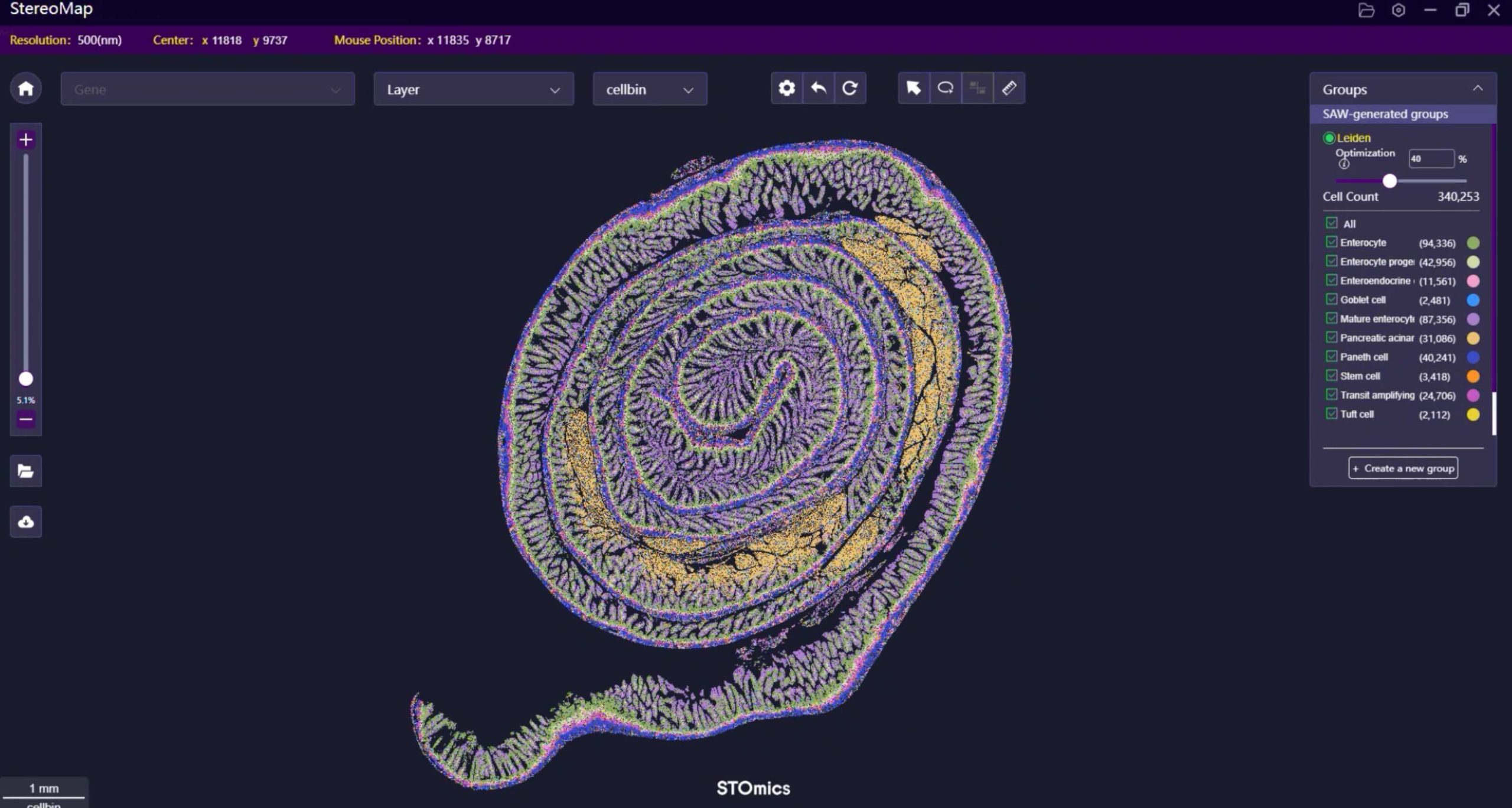
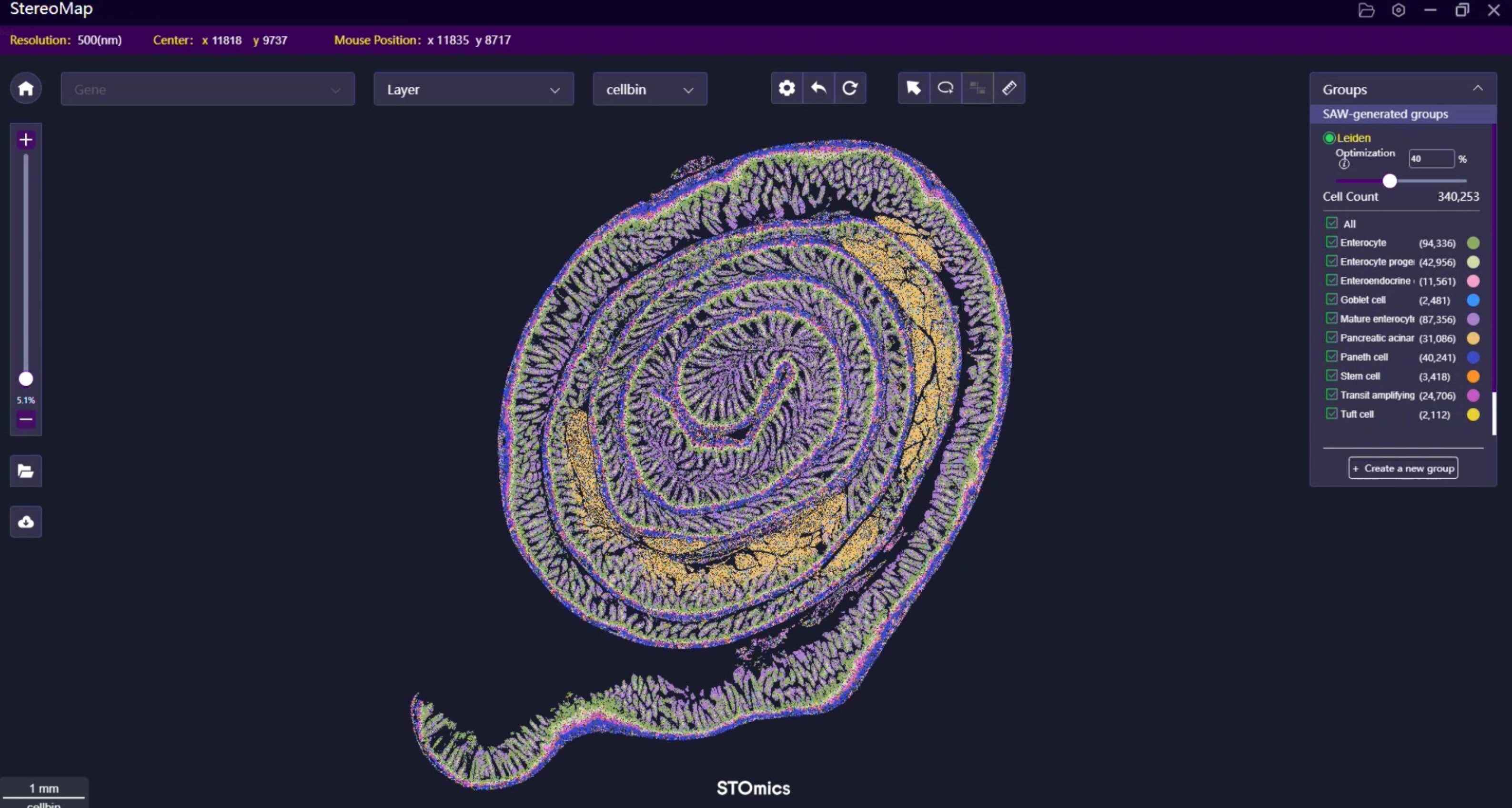
Switching tone to something more technical, I want to map concrete choices we made after those failures. We tested three approaches over two years (2019–2021) across labs in Kathmandu and Pokhara: modified deparaffinization, enzymatic crosslink reversal, and barcoded capture platforms tailored for FFPE. The best outcome combined optimized fragmentation chemistry with a spatially aware library strategy; only then did we reliably detect both coding and non-coding RNA down to low picogram inputs. In practice, that meant accepting slightly longer prep times, stricter QC gates, and re-training a microtomy team — small operational costs for large gains in usable data. I measured a 55% reduction in failed libraries after process changes; we documented week-by-week improvements, and the head tech logged turnaround time changes in a spreadsheet (May–September 2020). This is not hypothetical; I ran the metrics myself.

What’s Next
We now evaluate FFPE Transcriptomics Solution vendors by three clear metrics — and I recommend you do the same. First: analytical sensitivity (can the method detect low-abundance non-coding transcripts reliably after FFPE damage?). Second: spatial fidelity (does the platform preserve local transcript patterns — key for tumour microenvironment studies?). Third: workflow robustness (how tolerant is the chemistry to variable fixation and to routine microtomy errors?). I insist on vendors sharing per-run failure rates and an example dataset from archival clinical tissue — if they cannot, walk away. Also — pause — check whether the proposed pipeline supports both standard RNA-seq and spatial transcriptomics outputs; compatibility saves weeks later.
To close, I offer three practical evaluation metrics for procurement teams: 1) library success rate on your own test blocks (real numbers, not vendor claims); 2) limit-of-detection on a mixed RNA control for both coding and non-coding targets; 3) documented spatial resolution with FFPE sections (spot size vs. true histology). I have used these since 2020 when I led a regional validation, and they cut selection time in half. For teams buying at scale — lab directors, translational researchers, and procurement officers — these are the working checks that mattered to me. For more specific tools and a tested FFPE workflow, consider partners like stomics.