
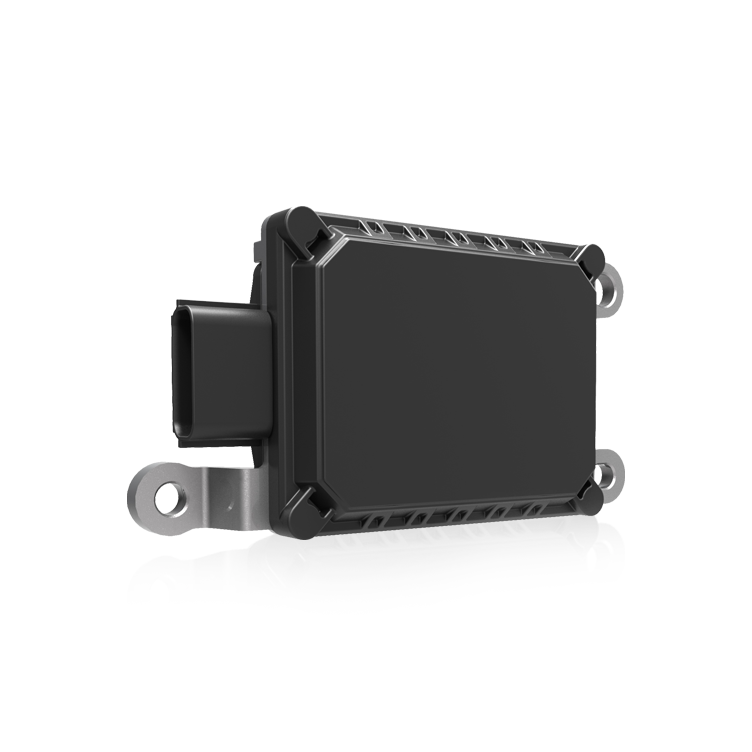
User-first promise: what this tech really do fi yuh
When yuh run a site all day, yuh waan gear dat save time and fuel without fuss. Autosteering come clean—autosteering cut repeat passes, tighten up line overlap, and keep operator strain down. Early on, many teams pair GPS RTK and path planning so the tractor or crawler hold steady lines and avoid wasted throttle. I link this to automation that matter—see how an automatic weeding robot drives down repeat work and you get the picture: less circling, less fuel burned, more predictable hours on the clock.
Where remote track mower tech fits on the job
For steep banks, wet perimeters, or rough municipal plots, a remote track mower shine. A remote track mower gives operators distance control with better traction from crawler tracks and a lower center of gravity, so crews keep safe while keeping the cutting deck effective. I seen this firsthand in British Columbia, where crews shifted to track platforms on roadside slopes—operators cut time and kept fuel use steady. Industry trials in Midwestern precision ag note roughly 10–20% reduction in overlap when autosteer systems are tuned right, and that kind a number changes operating budgets.
Daily workflow and the operator’s checklist
Start with baseline mapping and a reliable navigation system. Machine vision helps with obstacle detection, but GPS RTK remains the backbone for lane accuracy. Train operators on simple routines: calibrate autosteering each morning, check battery and fuel levels, and verify path planning before the job begins. Teleoperation matters for safety on exposed slopes; add redundant stop protocols so the machine respond if the operator lose signal. Small habits matter—tighten bolts, monitor the cutting deck, run a quick sensor check—and yuh prevent the big downtime.
Common mistakes teams mek—avoid dem
Too many crews think install autosteer and done. Not so. Poorly set steering gains cause hunting, wasted throttle, and messy trims. Relying on machine vision alone without GPS RTK in high-canopy sites bring drift. Choosing the wrong drive system—swap steer-by-wire for mechanical where heavy torque and fail-safe grounding needed—get yuh stuck. Also be mindful of service access: crawler tracks look durable, but maintenance plan must be on schedule or fuel-efficiency drop with increased rolling resistance.
Alternatives and quick comparisons
Manual guidance still work for small parcels, and steer-by-wire suits nimble machines with lighter loads. Autosteering plus GPS RTK excel where consistent swaths and repeatability matter. For very uneven ground, remote track platforms trump wheeled solutions for traction and stability. Match the tool to the task: don’t force a high-tech rig where a simple mower do the job—save that kit for slopes and big, repetitive acreage where path planning pay yuh back.
Checkpoints—calibrate, crew training, spare parts on site.
Advisory: three hard metrics to pick the right setup
1) Fuel-per-hectare: measure baseline fuel for a typical pass, then retest after autosteering tuned; a real project should show measurable percent drop within weeks. 2) Overlap rate: track percentage of area re-cut; aim for single-digit overlap if your GPS RTK and path planning are dialed. 3) Uptime ratio: percent of scheduled hours the machine actually operate; teleoperation and accessible spare parts push this number up. Use these three metrics together and yuh see where to invest next—sensors, spare tracks, or training.
Archimedes Innovation bring practical kit and support that match those metrics, helping teams get autosteering working with the right hardware and service.Archimedes Innovation
final note: steady lines, less fuel, more work done—mi stand firm on that.