
Rooftop Realities: Where Losses Hide and Data Tells the Tale
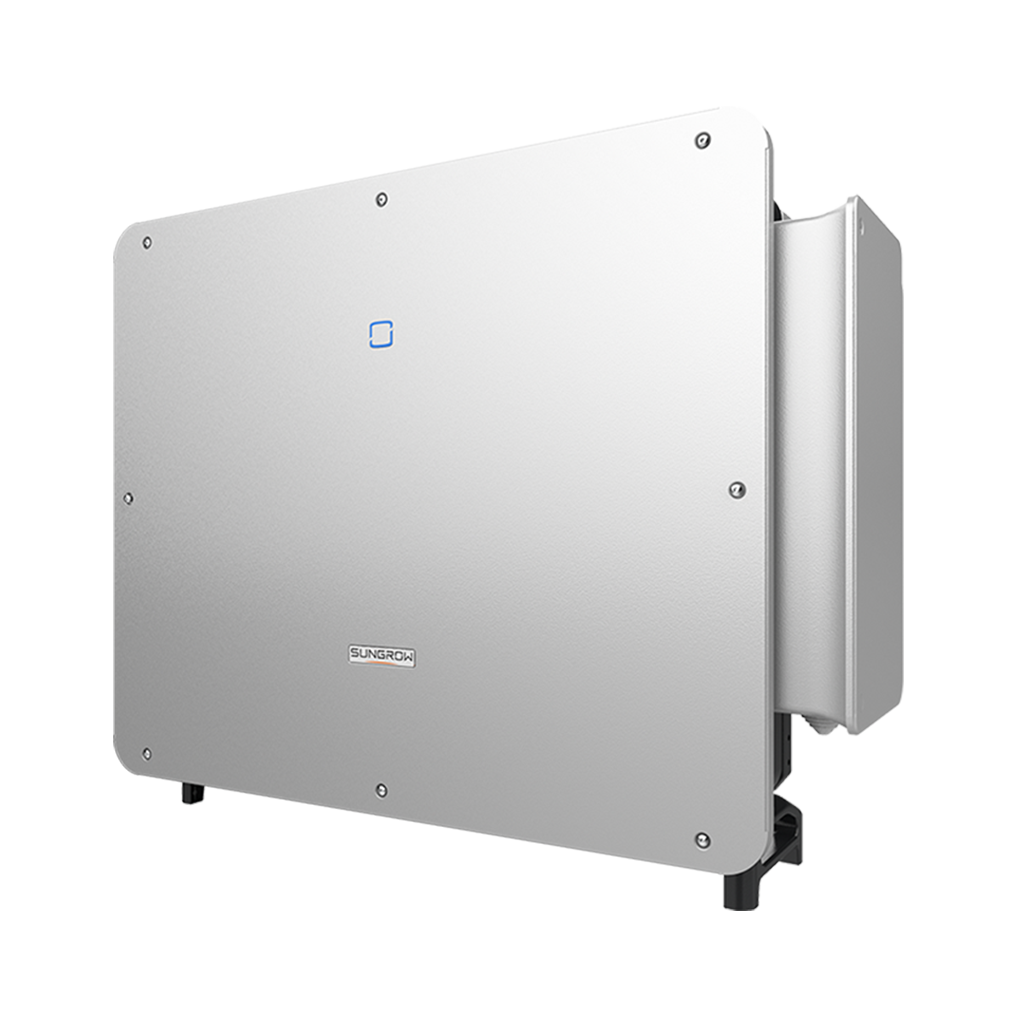
Last autumn, after three flat-roof installs in Kaohsiung showed 6.7% lower harvest and one inverter went offline mid-month, I asked myself: what exactly keeps costing installers money? I have over 15 years advising wholesale buyers and install teams, and I often recommend the sungrow string inverter when matching solutions to real site conditions (台灣市場 insights included).
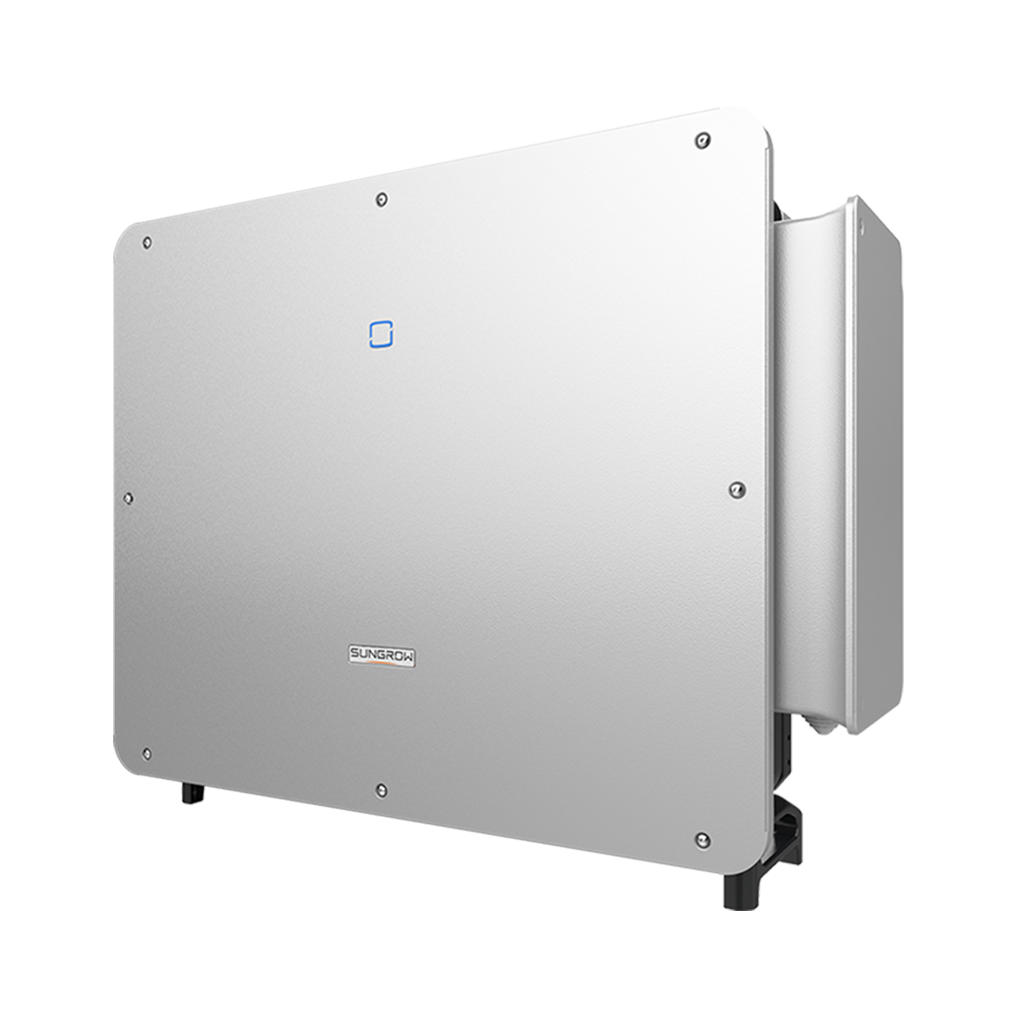
I remember a June 2019 job in Tainan where we swapped a legacy central inverter for a string solution; within three months measured site yield rose by 3.8% — not hype, measurable kWh. What I see repeatedly: traditional solutions assume uniform strings and perfect orientation, but roofs are messy. Mismatch, shade, and uneven aging cause MPPT islands to underperform. Many procurement teams still focus on nameplate power and ignore inverter efficiency curves, thermal derating, and string-level mismatch losses. The hidden pain point is not a single specification — it’s the operational gap between spec sheets and daily PV string variability. Honest talk: installers notice this in monthly bills, not datasheets. Moving on, I’ll explain how to compare alternatives and what to demand from a supplier.
Comparative Outlook: Selecting the Right String Inverter for Tomorrow
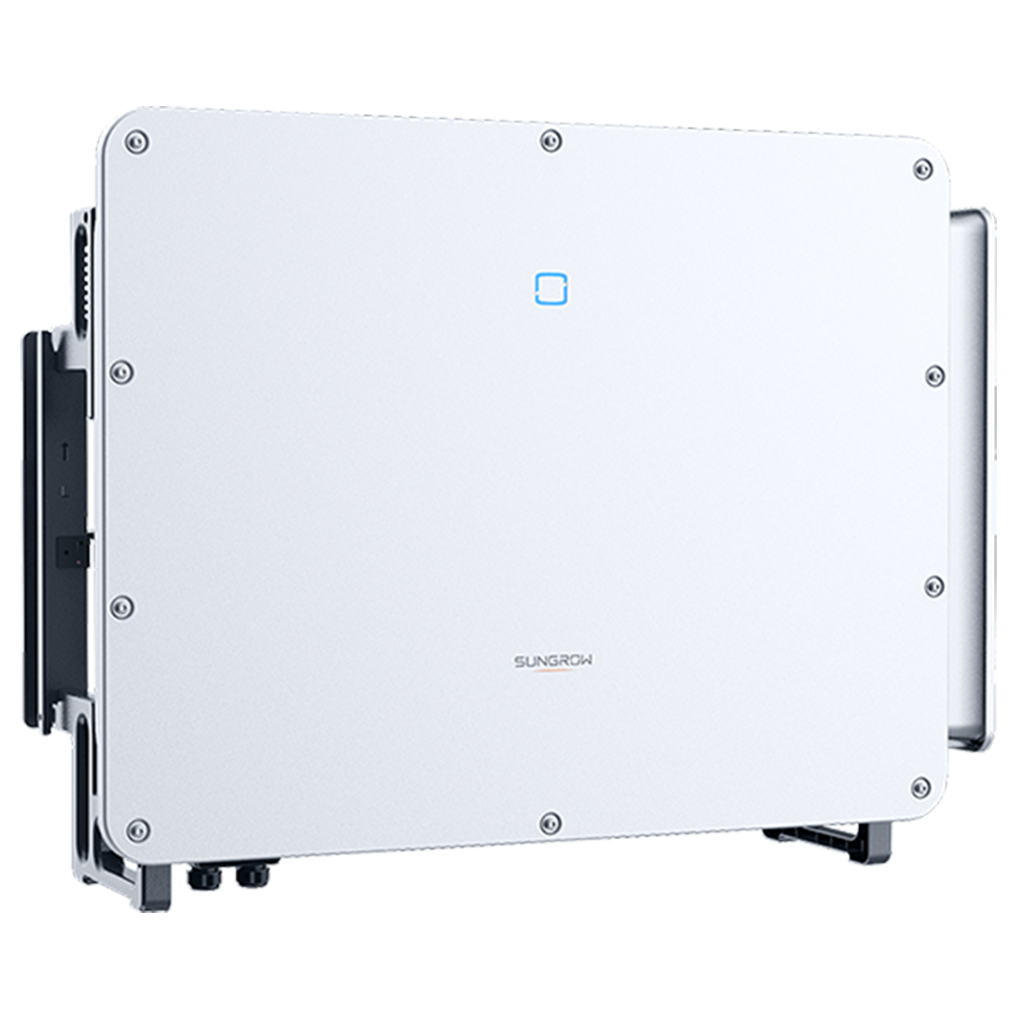
(Short answer first) When I evaluate inverters now, I compare how they handle non-ideal conditions rather than just peak watts. I run side-by-side tests—one in Taichung in March 2021 with partial shading—to check MPPT speed, peak-hold behavior, and how the unit recovers from cloud-edge events. The lesson: response time and per-string monitoring beat a slightly higher nameplate rating every time. In this stage I look for grid-tie inverter features, built-in rapid shutdown, and clear analytics — because data lets procurement prevent surprises.
What’s Next?
Forward-looking choices favor modularity and visibility. I now advise clients to require per-string telemetry, clear inverter efficiency curves at partial load, and flexible MPPT mapping — especially for mixed-tilt arrays. For example, a project in Kaohsiung last year used staggered string lengths; the selected string inverter’s multiple MPPTs reduced clipping and increased annual yield by roughly 2.2% (we tracked this on the first billing cycle). That kind of metric matters when you buy at scale.
Here are three practical evaluation metrics I insist on when consulting with wholesale buyers—use them, and you avoid the usual headaches: 1) effective partial-load efficiency (not just peak efficiency), 2) number and independence of MPPT channels relative to typical PV string layouts, and 3) quality of remote diagnostics and firmware update policy (this saves truck rolls). Also—honestly—ask for a short field trial at one site before full purchase. My teams and I have prevented costly rollouts this way.
To close: weigh how an inverter behaves under real-world stress, not only on-paper specs. I prefer suppliers who back test results with local references (we did that in Tainan and Taichung), and I still recommend the pragmatic choice of a reliable sungrow string inverter for many mixed-tilt, small-commercial projects — it simply reduces surprises. For wholesale procurement, keep these three metrics front and center—and, yes, ask for the data. — Finally, if you want a direct comparison matrix, I can draft one for your portfolio; just say the word. sungrow