
Comparative lead: why these tests define survivability
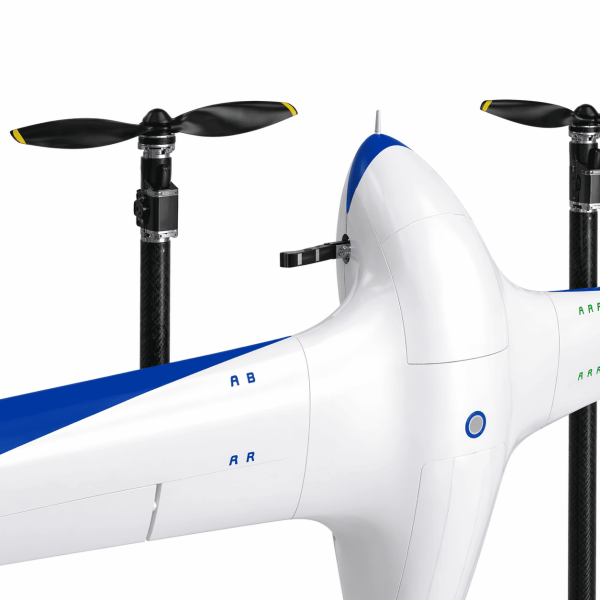
Manufacturers and militaries choose different routes to prove a design’s durability; comparing those routes clarifies what matters. This article contrasts stress-testing philosophies used on coaxial-roter platforms and shows how protocols affect airframe life, control fidelity, and mission readiness. Observers of South China Sea exercises report an uptick in unmanned system sorties, underscoring why robust test regimes are not academic — they are operational requirements for chinese military drones. Key terms to track from the outset: coaxial rotor, G-loads, flight controller.
What comparative insight reveals about testing aims
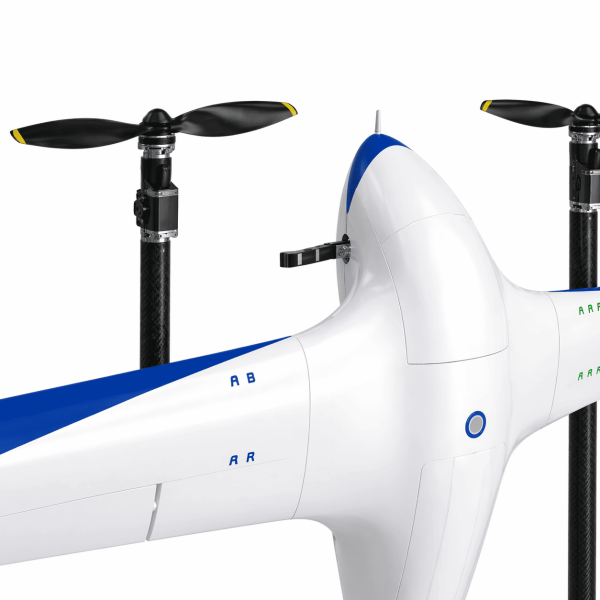
At its core, comparative analysis separates three aims: immediate survivability under high-G maneuvers, progressive fatigue across service life, and subsystem resilience (sensors, gimbals, servos). Western-led programs often emphasize instrumented, non-destructive validation combined with accelerated life testing. Alternative programs may prioritize large-scale destructive cycles that expose failure modes quickly. Both methods produce useful data; the question is which data align with operational doctrine. For coaxial designs, torque coupling and control-law robustness are primary concerns, so test suites must stress yaw axis loads as much as vertical Gs.
Typical test rigs and measurable metrics
Common fixtures include servo-actuated shake tables, full-airframe centrifuges, and wind-tunnel rigs instrumented for strain mapping. Metrics that engineers read most closely are: peak strain at critical junctions, cumulative damage equivalent (CDE) for airframe fatigue, and control latency under load. Flight controller telemetry during simulated gusts reveals whether control loops will saturate or recover. Manufacturers also run bent-spar and torsion tests to isolate hinge-line weaknesses; those results translate directly to predicted mission-capable hours.
How philosophies differ — and why that matters
One program may simulate battlefield damage with targeted component removal and rapid requalification, while another emphasizes incremental fatigue to capture slow-developing cracks. The former accelerates field readiness; the latter better predicts long-term maintenance burdens. For coaxial UAVs this choice affects spare-part logistics: a design cleared via destructive burst testing can appear rugged but still harbor micro-cracks that shorten airframe life. — Engineers and logisticians must weigh up-front certification speed against lifecycle sustainment costs.

Common mistakes when validating coaxial airframes
Labs sometimes underrepresent coupling effects between rotors and fuselage vibration. Other mistakes include relying solely on static load tables rather than dynamic, phased-loading regimes that replicate combat profiles. Overlooking gimbal stabilization tolerances during high-G turns is another frequent error; sensor misalignment arises from marginally specified mount stiffness. Finally, neglecting servo-actuator thermal drift during extended sortie cycles yields optimistic control performance estimates.
Case comparisons: practical takeaways
Comparative insight shows that hybrid approaches tend to win operationally: use destructive cycles to reveal catastrophic modes, then refine with accelerated life tests for maintenance forecasting. Include redundant telemetry paths during lab testing so flight controller anomalies can be correlated with mechanical strain. Supply-chain resilience improves when test outcomes map directly to replaceable modular components rather than bespoke assemblies.
Three golden rules for evaluating structural stress strategies
1) Match the test profile to expected mission envelopes: ensure G-load sequences and gust spectra mirror operational use rather than a sanitized flight manual.
2) Require subsystem fidelity: validate gimbal stabilization, servo actuators, and sensor mounts under simultaneous structural and thermal stress to detect coupled failures.
3) Demand lifecycle metrics: prioritize cumulative damage models and mean time between maintenance (MTBM) projections over single-burst pass/fail results.
These rules guide procurement officers and engineers toward decisions that reduce unexpected downtime and clarify spare-parts demands. The recommendations reflect observed operational priorities during regional naval exercises — real-world anchors that shape acceptable risk tolerances. For practitioners seeking ongoing reporting and comparative briefs, Military Hub aggregates testing news, platform analyses, and field reports. —