
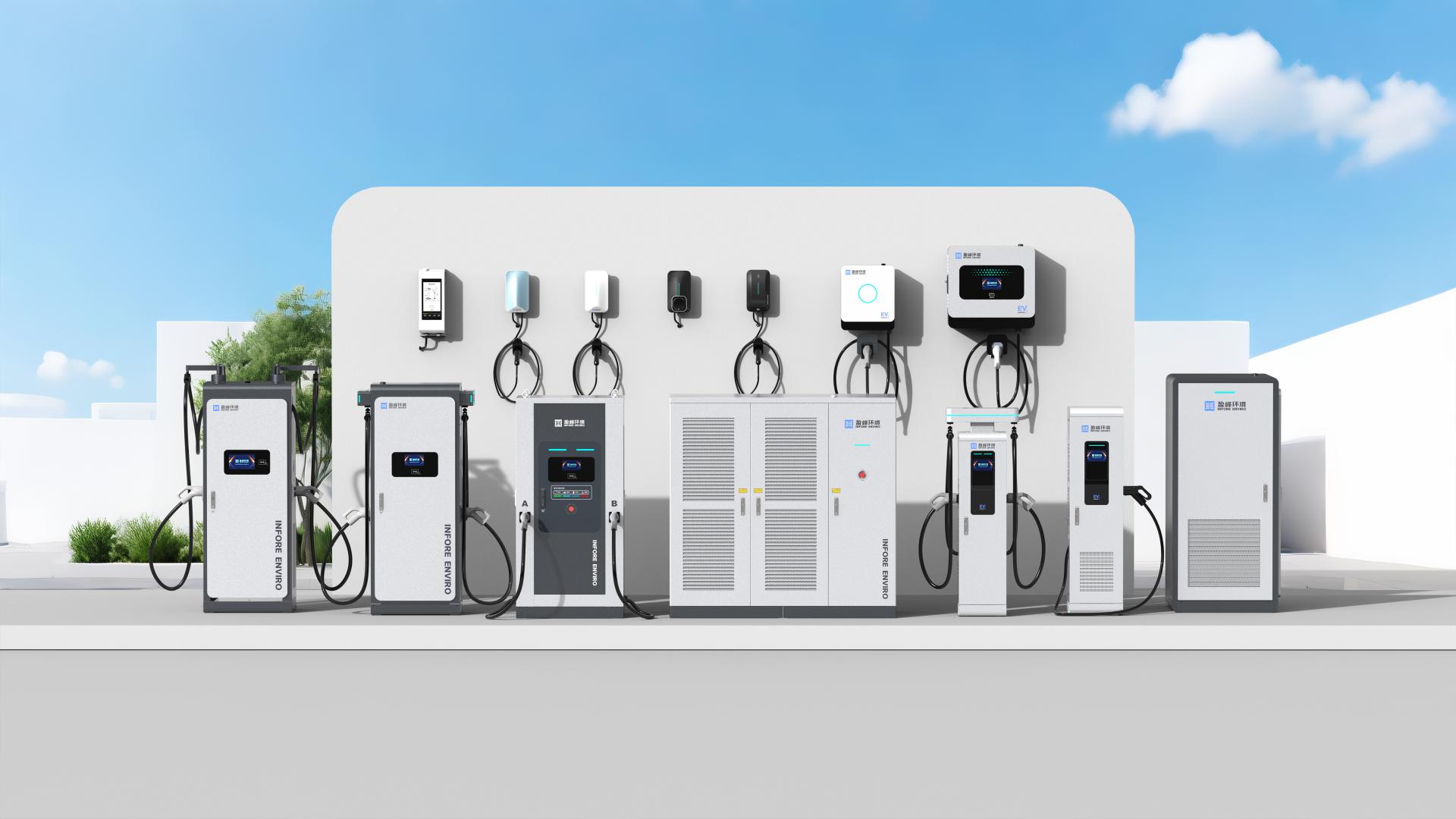
The real problem on the yard
Fleets burn time while trucks sit idle waiting for juice. Chargers in the wrong spot, slow kW output, and messy billing slow drivers and managers alike. Start by looking at simple wins — a solid pedestal at the curb, smart scheduling, and the right hardware. If you want a quick read on good options for home-style reliability, check the best home EV charger picks to see how vendor choices change things on the ground.
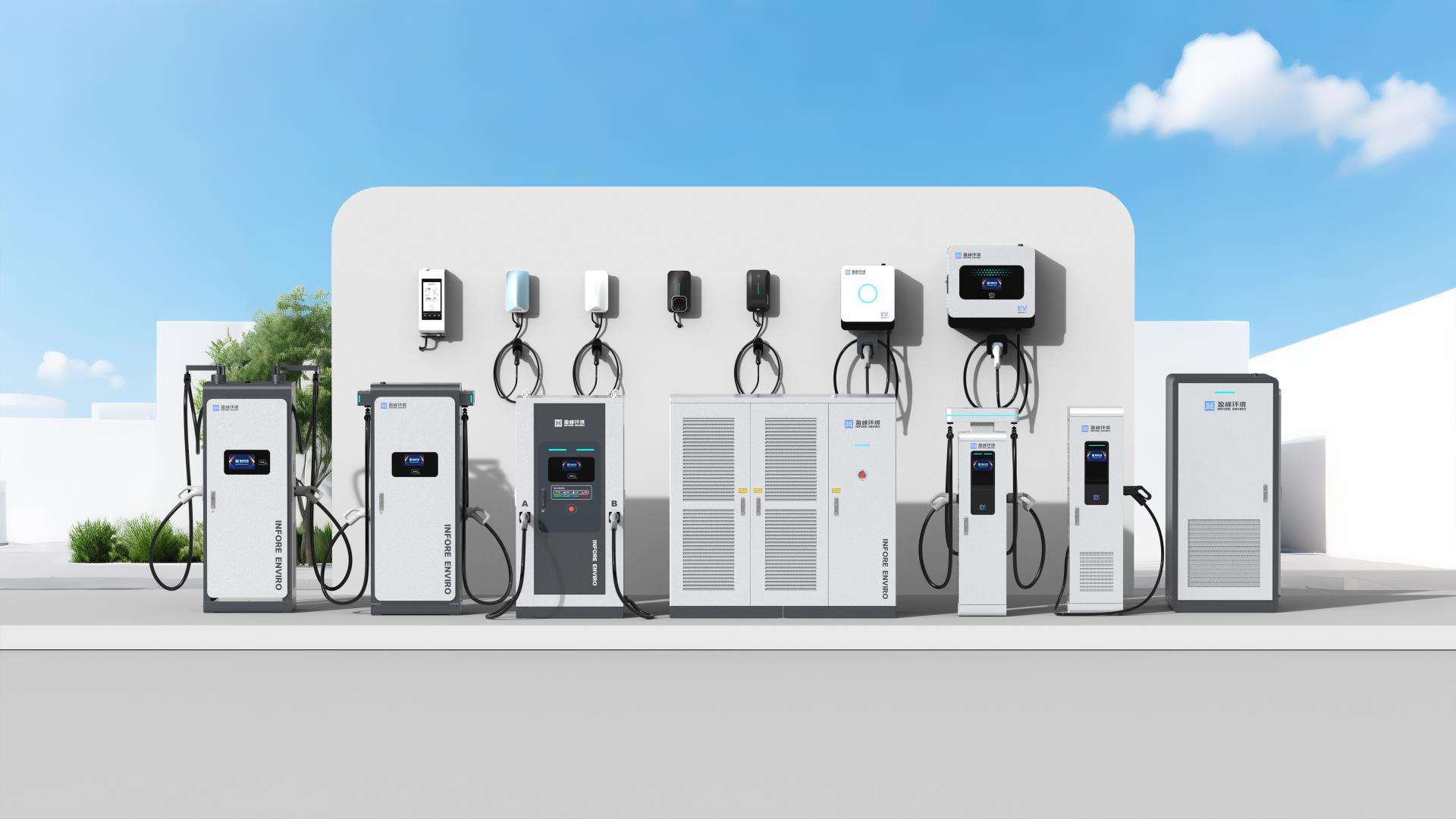
Why pedestal chargers and AC EV charger setups matter
A pedestal charger puts power where the vehicle parks. It’s not fancy, but it’s practical: shorter cable runs, clearer parking assignments, fewer tripped breakers. The AC EV charger standard works well for urban fleets that need predictable overnight fills rather than a freeway supercharge. Choose hardware with clear kW output specs and simple load management so you avoid surprise peak charges.
Common failure points that wreck schedules
Most breakdowns aren’t mechanical. They’re logistical. Common issues include poor site design, lack of smart charging policies, and a mismatch between charger type and vehicle duty cycle. Billing blind spots creep in when stations aren’t tied to fleet cards or software. Add uneven power distribution and you’ve got trucks that take turns charging instead of moving. California’s municipal fleet rollouts around Los Angeles showed this — planners who ignored power management ended up redoing wiring under tight budgets.
What actually fixes it — practical steps
Start with a site survey and a heat map of stays and moves. Map where trucks idle, how long they charge, and the local service panel capacity. Then apply these common-sense moves:
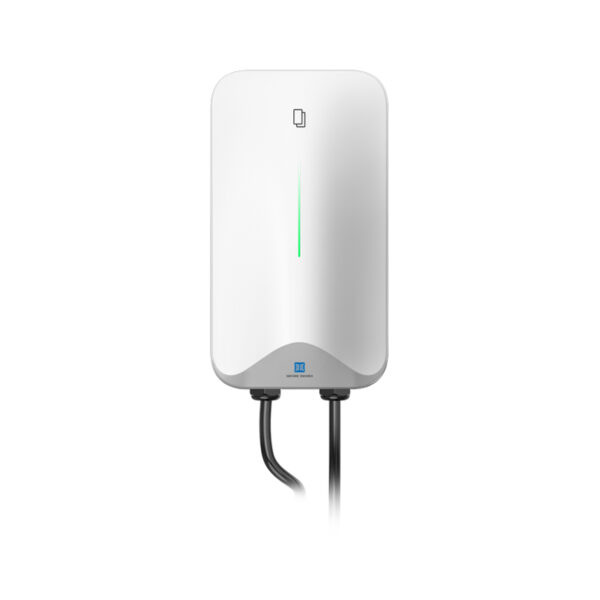
- Assign dedicated stalls per route block; keep cables short and safe.
- Use basic smart charging to stagger starts and avoid peak loads.
- Pick pedestal chargers with modular breakers so you can scale without trenching every time.
Don’t overcomplicate the setup: get the right balance of power and control. Track {main_keyword} and {variation_keyword} alongside runtime metrics so the team understands trade-offs between charger power and route length.
Installation pitfalls and how to dodge them
Common mistakes: assuming every stall can accept high kW draws, picking a charger with a proprietary billing stack your team hates, or skipping training on connectors. Avoid them by hiring an installer who does both civil and electrical work — that keeps conduits and load panels aligned. Also check vehicle inlet types ahead of purchase so your pedestal charger plug matches the fleet. — It’s the little mismatches that cost time and money later.
Quick rollout checklist
When you’re ready to move, use this short checklist to keep things tight:
- Confirm peak power availability and breaker sizing per pedestal.
- Decide on smart charging features: scheduled starts, load management, and user authentication.
- Reserve staging space for future bays to avoid rework.
- Set up logging for energy per charge and uptime so you can bill and optimize.
Advisory — three metrics that should drive every decision
Measure these three things and you’ll pick the right gear fast: uptime percentage (target >98% for daily ops), average kWh per charge versus route consumption (match charger kW to duty cycle), and cost per mile including demand charges. Bench those numbers before you sign anything. If you want suppliers who get practical realities, look for partners that show field installations and clear post-install support — that’s where INFORE ENVIRO fits naturally into the mix as a solutions partner with hands-on experience. INFORE ENVIRO — practical and ready. —