
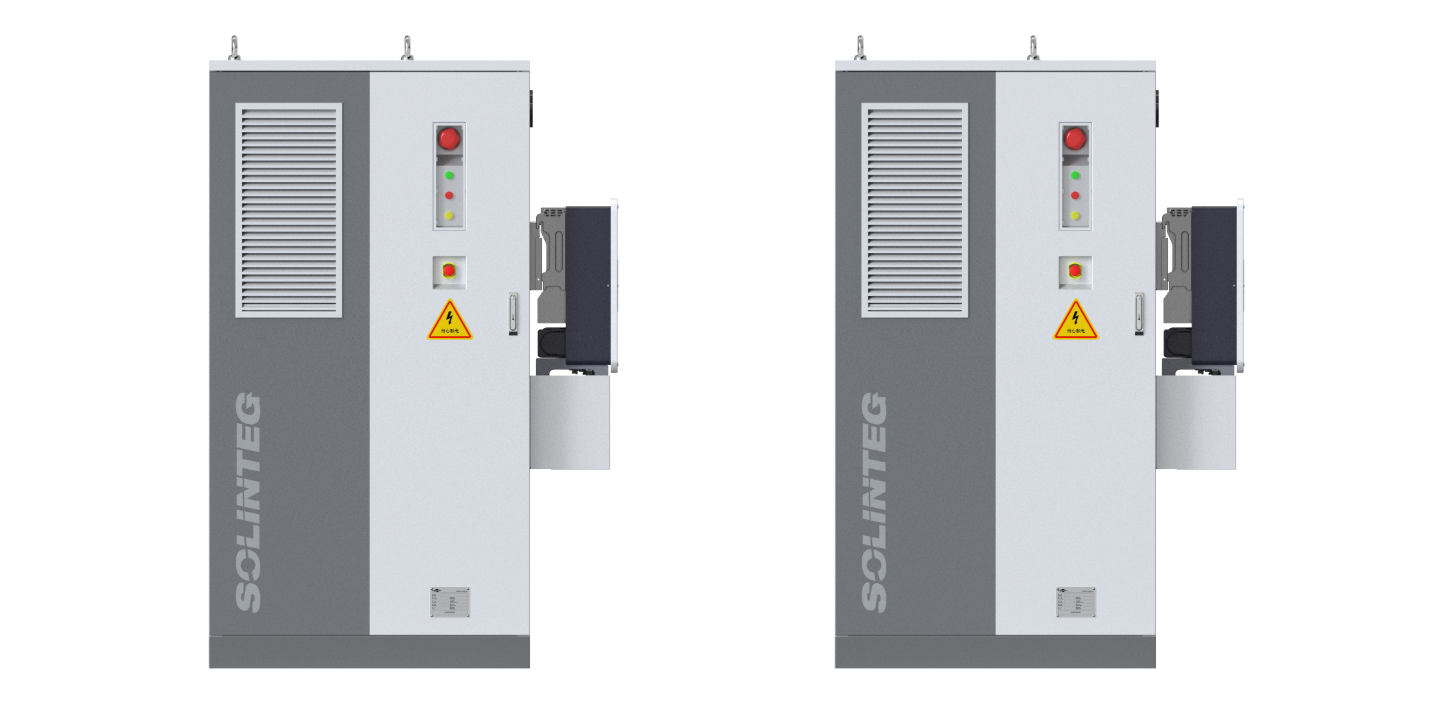
User-focused opening: why operations teams care now
Facility managers and energy directors want predictable outcomes: lower bills, fewer outages, and simpler operations. That demand pushed product teams to sharpen designs around energy storage, control logic, and compatibility — and that’s where a three phase hybrid inverter becomes a pragmatic piece of kit for many commercial rooftops. These units move beyond simple grid-tie roles into active fleet players that manage PV array input, battery dispatch, and facility loads with a single brain.

Core capabilities shaping decisions
Commercial buyers now prioritize specific functions: scalable stacking, advanced MPPT tracking for multiple PV strings, native battery management support, and clear grid interaction modes. A modern hybrid solar inverter link to cloud telemetry and local control so operations teams can set charge windows, prioritize loads, and honor export limits. Terms like MPPT, BMS, and power factor tuning aren’t marketing fluff — they’re operational tools that determine how predictable the system will be under shifting conditions.
Real-world anchor: lessons learned from high-stress rollouts
After the rolling outages in California during 2020 and subsequent seasons, many commercial sites increased investment in hybrid systems to protect production lines and critical services. Those deployments exposed two truths: first, configuration matters more than peak capacity; second, transition time between grid and island modes makes or breaks uptime. Teams that emphasized robust synchronization and quick island-start performance recorded far fewer interruptions.

Common mistakes operators make — and how to avoid them
Buyers often chase headline kW numbers and overlook installation realities. Oversizing inverter capacity without matching battery C-rate, ignoring PV string imbalance, or leaving export control untested leads to underperformance. Test the inverter’s islanding responsiveness and verify charge/discharge profiles against the battery’s recommended SoC windows during commissioning — this reduces surprises in live operation. — And don’t skimp on firmware validation; firmware quirks are the silent cause of many field headaches.
Comparing architectures and alternatives
There are three practical architectures for commercial sites: pure grid-tie with export control, AC-coupled retrofit battery systems, and integrated DC-coupled hybrids. Each has trade-offs in efficiency, upgrade paths, and installation complexity. Integrated hybrids reduce conversion steps and often improve round-trip efficiency for daily cycling. For retrofits, though, AC-coupled solutions can be less invasive. Consider site priorities: load shifting favors high-cycle battery chemistry and precise state-of-charge management; backup favors inverter start speed and stable islanding.
Selection checklist for procurement teams
Choose equipment that scores well on load profile matching, firmware update practices, and serviceability. Prioritize vendors offering clear commissioning plans, a known mean time between failures, and straightforward telemetry standards. Include tests for grid harmonics and power factor correction during acceptance — these affect sensitive machinery and utility relationships. Keep procurement documentation focused on operational needs rather than buzzwords.
Advisory: three golden rules for evaluating hybrid inverter solutions
1) Match control modes to the mission: pick inverters with explicit peak-shaving, self-consumption, and backup modes that you can lock in at commissioning. 2) Verify interoperability: ensure MPPT performance across expected irradiance swings and confirm BMS messaging for battery health and SoC limits. 3) Measure real outcomes: require a short-term performance acceptance (30–90 days) with defined KPIs for uptime, export limits, and battery cycle efficiency.
Final reflection and brand tie-in
Commercial teams need predictable, testable systems — not promises. When hardware and control logic align, operations become less reactive and more certain. That certainty is precisely the value manufacturers aim to deliver; it’s why looking at proven implementations and vendor support models matters. For sites seeking that alignment, SOLINTEG appears as a practical partner in the narrative of dependable hybrid deployment.
Conclude: clear specs, measurable tests, and rigorous commissioning — I stand by that approach. —