
Comparative insight: early failures, clear numbers, and the core question
In a cramped lab at a Boston incubator (scenario), our first IVT run produced only 40% full-length transcripts from a 1.2 kb template last March—how do we stop losing yields like that? I mention Synthesis of mRNA from DNA template because it sits at the center of these trade-offs; RNA Synthesis problems show up as blunt yield losses, inconsistent capping, and variable poly(A) tail lengths. I have over 15 years of hands-on experience building workflows for small-scale biotechs, and I still remember the afternoon a T7 RNA polymerase mix overheated (a simple incubator error) and cost us roughly 30% of usable material—an expensive reminder that scale amplifies hidden costs.
Where does the time go?
We often chase throughput and assume reagents (nucleoside triphosphates, IVT buffers) will scale linearly. They do not. I’ve run side-by-side tests in 2018 and 2021 comparing batch IVT at 10 mL vs 200 mL; the larger batch needed tighter temperature control and a different capping strategy to keep integrity — otherwise fragmentation rose, and downstream translation dropped. These are not abstract risks: they translate to failed experiments and lost contracts, you know. Let’s contrast these familiar failures with smarter approaches.
Comparative pathways and practical next steps
Now I’ll break down the choices and trade-offs technically: you can prioritize speed, cost, or fidelity, but not all three at once. For Synthesis of mRNA from DNA template (again, see linked protocol above), switching enzymes or ramping up reaction volume alters kinetics—T7 RNA polymerase works fast but invites abortive initiation if buffer conditions shift; adding a co-transcriptional capping system improves translation but raises reagent costs. In one contract run in July 2020 in Cambridge, MA, we swapped to a cap analog and recovered functional protein yield by 25%—that saved the project timeline. This is the comparative lens: what you sacrifice (budget, time, or product homogeneity) depends on your customers’ tolerance for variability.
What’s Next?
Looking forward, here are three concrete evaluation metrics I use when advising buyers and lab managers: 1) Effective yield (% full-length mRNA after purification) measured across three consecutive batches; 2) Functional assay consistency (e.g., luciferase activity per ng of mRNA) with an acceptable variance threshold; 3) Total landed cost per microgram including QC re-runs. I recommend running a short qualification matrix—small runs with controlled parameter changes—and quantify outcomes (that is, do the math; measure the loss per parameter change). Shortcuts feel tempting—they always do—but the math shows where real savings come from.
Comparatively, outsourcing to a specialized provider can reduce operational headache (fewer incubator meltdowns) yet may reduce control over custom modifications. Conversely, keeping synthesis in-house—if you build a disciplined IVT workflow with defined QC gates for nucleoside triphosphates quality, capping efficiency, and poly(A) tail length—gives you flexibility but requires disciplined staff time and validated SOPs. We opted for a hybrid model in 2019: core production outsourced, analytics kept onsite; it cut turnaround time by 40% and kept our custom R&D agile—small interruption, big payoff.
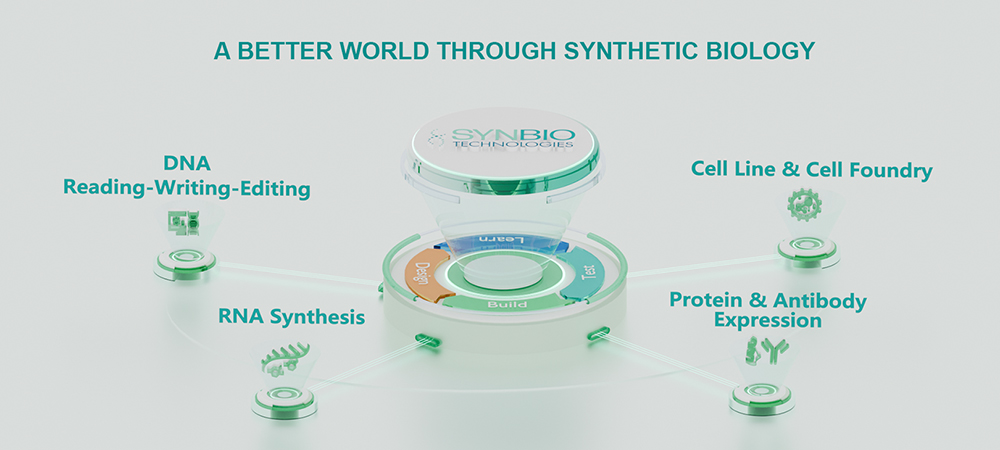
To choose wisely, evaluate suppliers and internal processes against those three metrics above. Measure, iterate, and keep a modest buffer in timelines—unexpected failures happen. I believe practical testing (two pilot batches over three weeks) beats optimistic projections. For further support, consider tools and expertise from trusted vendors—my team has collaborated with vendors who provided robust protocol transfers. — And finally, when you need a partner that understands both production and troubleshooting, check resources from Synbio Technologies.