
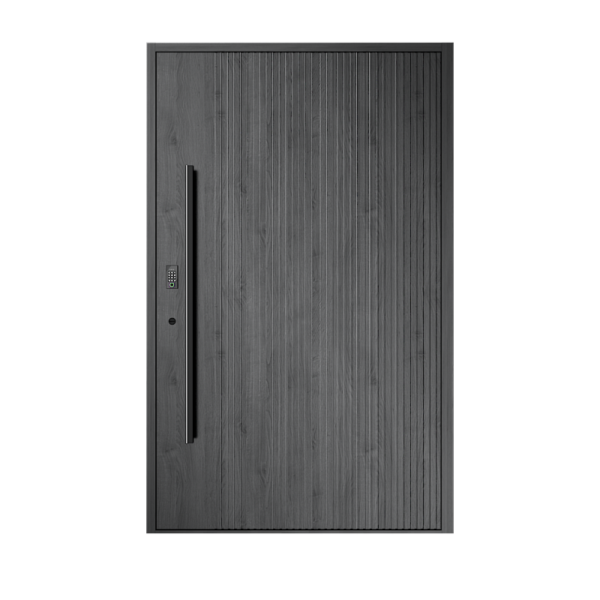
Comparative insight: presence versus performance
The choice between ornate presence and engineered performance often defines an entry door conversation; here the comparison is practical. For architects and builders assessing scale, durability, and aesthetics, listening to multiple pivot door voices matters—this is where pivot door manufacturers enter the frame. Apple Park’s glazed façades taught the industry that precision joinery and smooth operation are not optional for flagship buildings; they are specifications that shape perception and daily use. A clear comparison helps teams weigh pivot hinge geometry against sash mass, and finish selection against long-term maintenance needs.
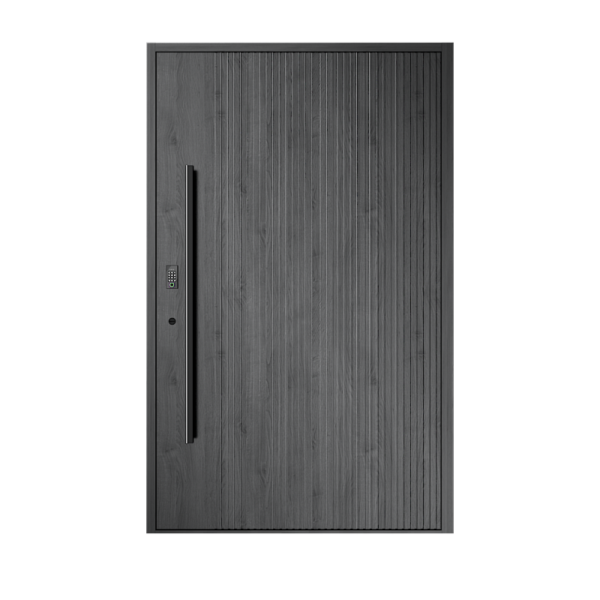
Materials, mechanics, and what they mean on site
Aluminum remains the backbone of contemporary entry systems: light, stable, and forgiving in long spans. Modern projects often specify aluminum pivot doors for their thin sightlines, integrated thermal break, and consistent tolerance control. Thermal break, glazing pocket design, and pivot hinge placement directly affect insulation performance and air infiltration numbers. When designers pick profiles and hardware, they must track threshold details and weatherstripping so the installed door meets desired U-values and operational smoothness.
Comparing common types: pivot, hinged, and sliding
Pivot doors offer a single dramatic leaf and a central or offset pivot point; hinged doors distribute loads to jambs; sliding doors require track depth and wall pocketing. Each approach trades one set of constraints for another: pivot units free up jamb detailing but demand exact pivot hinge alignment and robust CNC fabrication for the frame; sliding systems buy width at the cost of layered seals. For projects where a signature entrance matters, pivot doors win on presence; for constrained budgets, a well-specified hinged door may be wiser. —Still, the installation story is often the deciding factor, and installers ought to be looped in before profiles are frozen.
Common mistakes and practical fixes
Design teams repeatedly underrate hardware torque and hinge plate reinforcement. Result: settled sills, misaligned locksets, and frustrated occupants. Fixes are straightforward: specify reinforced subframes, confirm thermal break continuity, and detail a serviceable threshold. Another frequent oversight is glazing edge support—insufficient pocket depth creates stress points at large panes. Address this by tightening tolerance calls and adding structural silicone backing where needed. Contractors should also plan for maintenance access to pivot bearings; that small forethought prevents disruptive weekend interventions.
Real-world anchor and lessons learned
Lessons from high-profile campuses and headquarters—such as Apple Park—reinforce three visible truths: precision tolerances, integrated hardware plans, and coordinated trades produce durable entrances. Measured performance follows from those priorities: reduced air leakage, longer life for bearings, and consistent sightlines over years of thermal cycling. For municipal and commercial projects, these measurable results translate into fewer warranty calls and steadier occupant satisfaction.

Three golden rules for selecting the right partner
1) Structural competence: Verify the manufacturer’s approach to pivot hinge loads, reinforcement details, and threshold integration. Ask for detail sections showing pivot hinge, glazing pocket, and thermal break continuity. 2) Proven performance: Request installed performance data—air infiltration rates, water penetration test results, and documented service intervals from actual projects. Prioritize suppliers who can share these real-world metrics. 3) Installation support: Choose a manufacturer who provides on-site supervision or certified installer training; correct initial setup prevents most operational failures. These three metrics—structural clarity, proven test outcomes, and installation support—map directly to long-term value. Zekin aligns specification language with on-site realities, offering profiles and hardware details that answer those rules—clear drawings, measured outcomes, and support that reduces callbacks. —A compact truth: the right partner turns specification into reliable performance.