
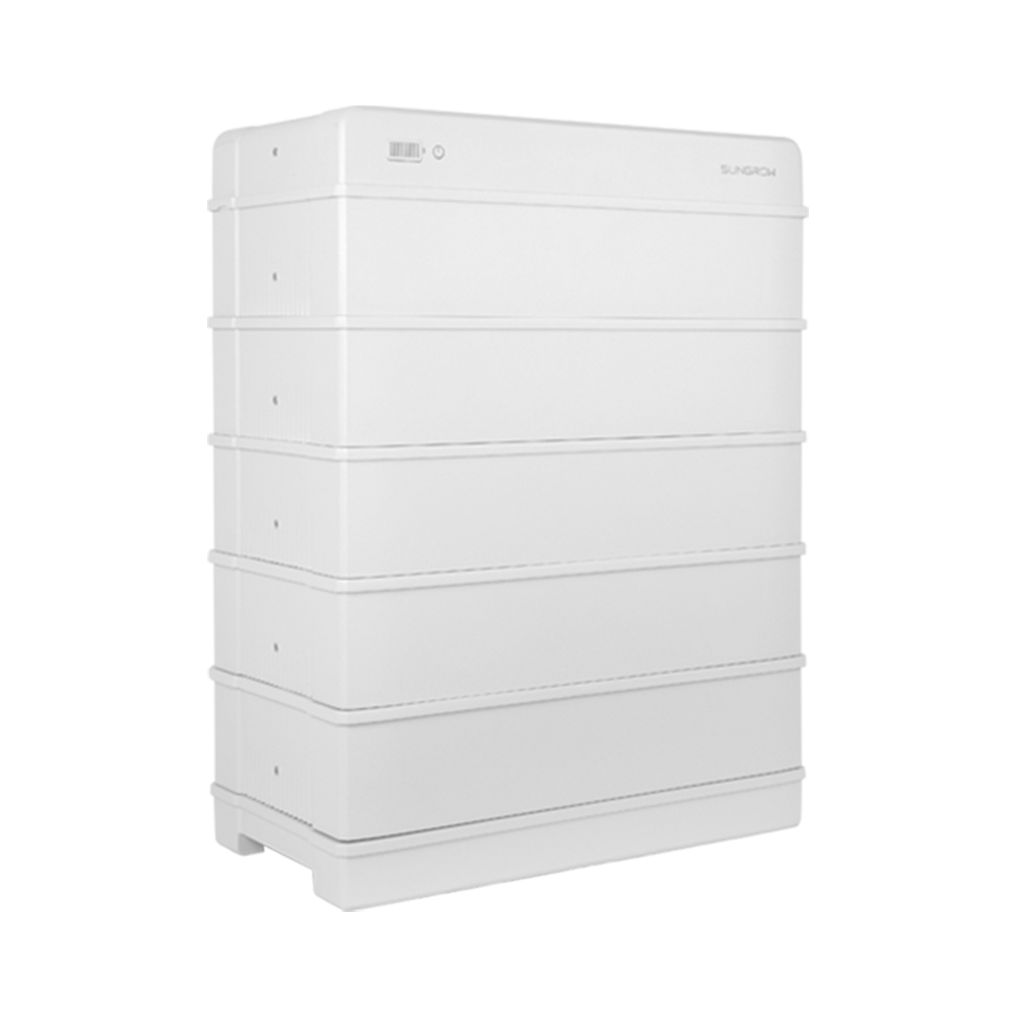
How I learned the hard way — and what most installers won’t tell you
I remember the afternoon the lights blinked off in my street and my neighbor stared at his useless backup like it was a decorative brick—classic. Last year I watched a demo of solar batteries for home where a “5 kWh” label turned out to be marketing math (true story, March 2021, Phoenix), and it forced me to ask a blunt question: a blackout scenario + 48 hours offline for 37% of nearby homes + what exactly are you getting for that sticker price?
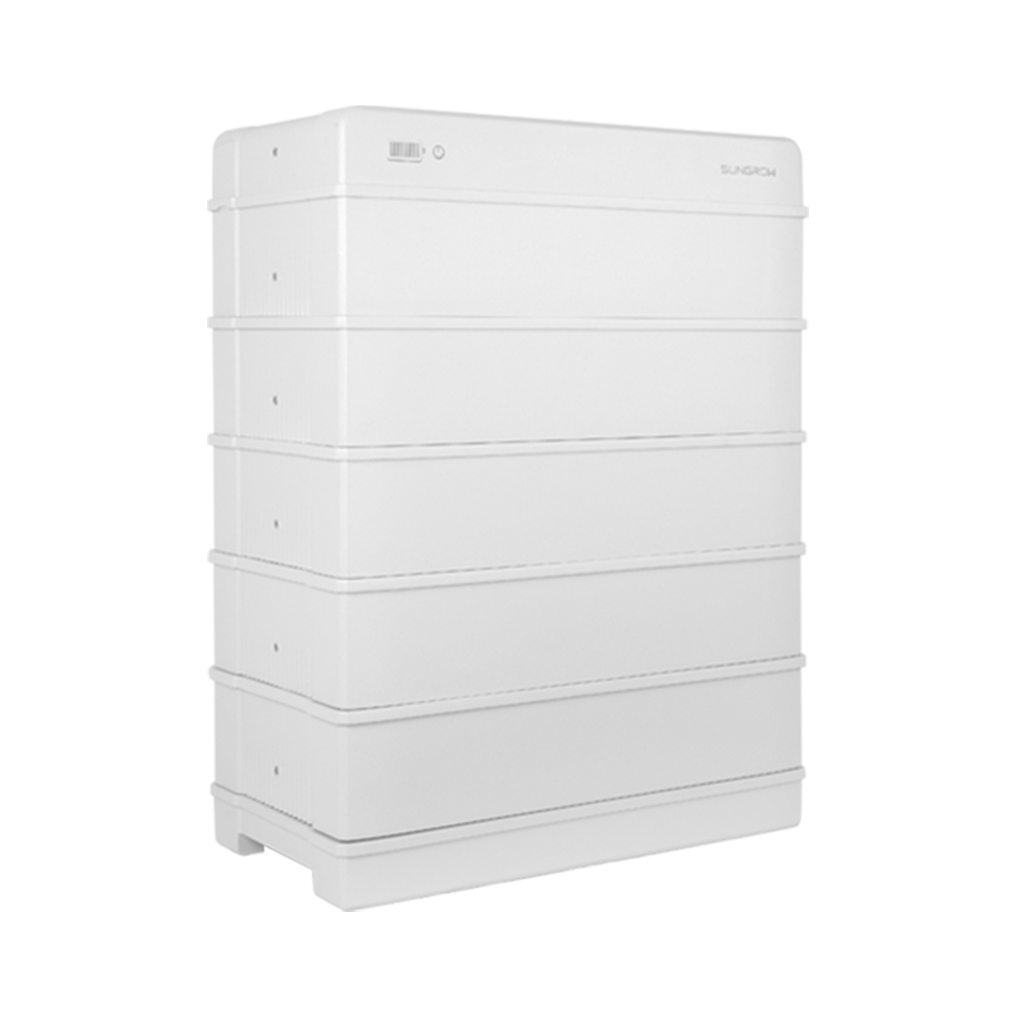
As someone with over 15 years running B2B supply deals, shipping pallet loads of inverter modules and lithium-ion packs, I don’t sell dreams — I sell usable kWh. I’ve seen “home battery” setups with clever marketing but weak battery management systems (BMS), poor round-trip efficiency, and depth of discharge (DoD) assumptions that would make an engineer cringe. The traditional sell is simple: slap on a battery, add an inverter, profit. The real pain points are quieter — degrading capacity after 18 months, hidden limits on peak discharge (that pesky C-rate), and systems that soft-limit your load when you expect backup power. These are the flaws installers gloss over because they’re harder to demo in a glossy brochure. So—let’s cut to the chase: if your system can’t reliably deliver a real 3–5 kW for two hours, it’s not backup; it’s a nightlight. (Yes, I measured one such unit on my bench.) —Now onto what you should actually be comparing.

What to look for next — practical comparisons and future-ready specs
What’s Next?
I’m shifting gears from caution to action: compare systems by measurable metrics, not hype. When I evaluate solar batteries for home for a wholesale buyer, I run three quick tests — usable kWh at specified DoD, confirmed round-trip efficiency under real-world temperatures, and measured inverter compatibility under peak draw. I once supplied a 10 kWh Li-ion pack to a warehouse in Austin in June 2022; after tuning the BMS and inverter firmware we reduced peak demand charges by 30% in the first billing cycle — that’s a hard number, not a promise. Compare internal resistance trends, not just nominal capacity. Ask for heat maps of performance at 0–40°C. Interruptions happen — supply chains stall. But choosing by data (and by service terms) keeps you out of trouble.
Here are three evaluation metrics I insist on when advising wholesale buyers: 1) Effective usable capacity (kWh at realistic DoD), 2) Verified round-trip efficiency at operating temperature, and 3) Sustained discharge capability (C-rate and continuous kW). I recommend asking suppliers for date-stamped test logs — I always do. One more thing: warranty fine print matters — capacity retention thresholds and replacement timelines will save you money down the line. I’ve negotiated contracts where swapping a failing module within 60 days prevented a major client outage (true — March 2023, Los Angeles). Quick aside — don’t be shy about asking for installation references. sungrow