
The problem — compliance slows rollouts and jack up costs
Procurement teams for telecom and DOOH networks know the drill: you buy a bunch of displays, then the EMC tests, FCC paperwork, and unexpected rework show up and mess with schedules. That’s why folks look for a small led screen that already been vetted or can be rented from a factory that handles certification. Ain’t nobody got time for multiple lab rounds or shipments sent back ’cause of interference issues; operators need predictable units that meet FCC Part 15 and EMC limits right out the gate.
Why direct rental LED factories cut the noise
Going direct to a rental LED display factory changes the dynamic. Factories that offer rental-ready LED modules and cabinets can run pre-shipment EMC tests, keep consistent BOMs for reproducible emissions profiles, and maintain traceable test reports. That means fewer surprises during field acceptance from the carrier or billboard operator. For DOOH networks, consistent brightness, color calibration, and shielding standards come baked in — so displays don’t create RF issues around sensitive telco gear.
Concrete procurement steps that actually work
Follow this lean playbook when you’re buying or renting displays for telco or DOOH deployments:
– Specify required compliance standards up front: list FCC Part 15 class, EMC margins, and any local ordinances.
– Request factory pre-test certificates and unit serial traceability; demand test photos and spectrum plots when needed.
– Use rental agreements that include replacement SLAs and on-site technical support for immediate swap-outs.
– Require sample acceptance testing in a representative environment before full deployment — that minimizes field surprises.
– Keep firmware and power-supply specs locked once tests pass; changes can reopen EMC problems.
These steps reduce rework and speed time-to-live, while keeping budgets predictable.
Common mistakes teams keep makin’ — and how to stop ’em
People still trip over the same mistakes. Buying from multiple vendors with different power designs causes inconsistent emissions. Ignorin’ inverter and PSU harmonics early leads to compliance headaches later. Not locking firmware or cabinet configuration after a passed test invites regressions. Fixes are simple: consolidate suppliers when you can, insist on tested power modules, and treat the certified unit as the baseline for any field swap.
Real-world anchor — Times Square and FCC basics
Look at big DOOH hubs like Times Square: those installations sit where RF noise and dense telecom infrastructure converge, so operators demand documented compliance and proven isolation practices. The industry reference — FCC Part 15 for unintentional radiators — is a practical baseline most buyers already list in RFPs. Using factory-tested rental displays reduces the back-and-forth between integrators, test labs, and authorities when you’re deploying in crowded urban spots.
How to evaluate rental-led vendors — what matters most
When you’re vetting factories, focus on three categories: technical proof, operational reliability, and contractual clarity. Technical proof means lab reports, consistent module design, and firmware control. Operational reliability means spare pool management, fast swap SLAs, and trained tech crews. Contractual clarity means who owns test data, warranty carve-outs, and liability for non-compliant units. Walk away from vague promises — get specifics written down.
Advisory — three golden metrics to judge procurement choices
1) Time-to-compliant-deployment: measure days from delivery to certified operational status; shorter means fewer hidden costs.
2) Field-failure swap rate: percentage of units needing on-site replacement within first 90 days; low rate signals solid factory QA.
3) Test traceability index: percent of units with serialized test reports and spectrum plots available; higher index equals clearer compliance posture.
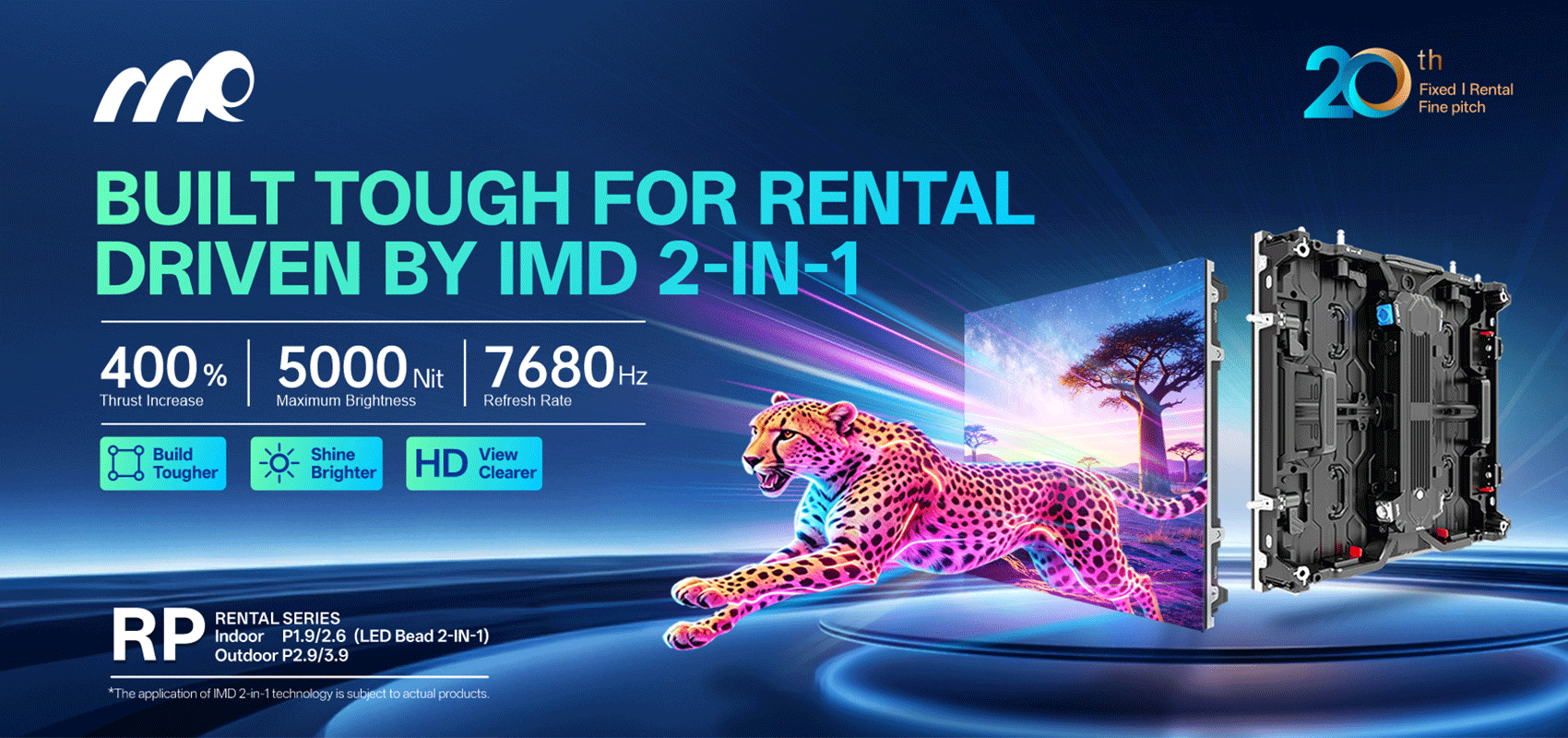
MR LED fits this approach by combining factory pre-testing, rental logistics, and documented compliance so you get displays that play nice with telco gear and DOOH regs — straight up. –
Final word: pick vendors who bring the lab to the contract, and your rollout timeline won’t cry foul.