
Balancing two priorities from the first stitch
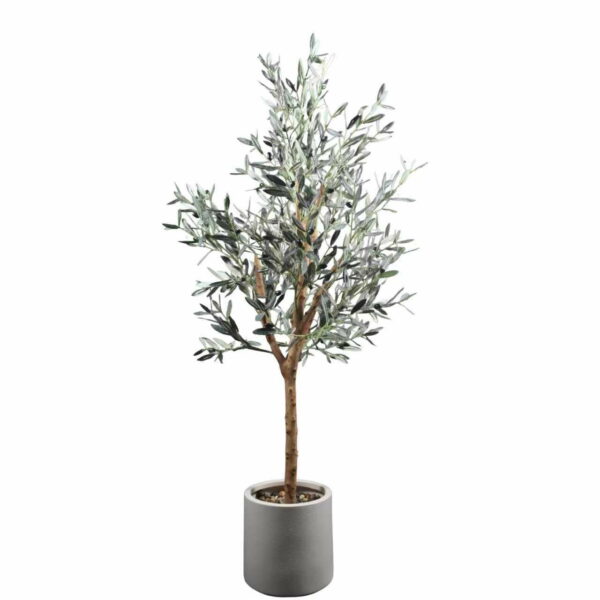
Designers and fabricators constantly compare how authentic a leaf must look against how long a panel will hold up under stress. A measured, comparative look helps: aesthetics and engineering are not opposites but variables on the same continuum. For sourcing lifelike foliage you may begin with an artificial olive tree manufacturer known for convincing texture, while also asking how that foliage integrates with a powder-coated aluminum frame. This pairing—botanical fidelity and frame engineering—defines the final product’s promise.
What botanical fidelity really means
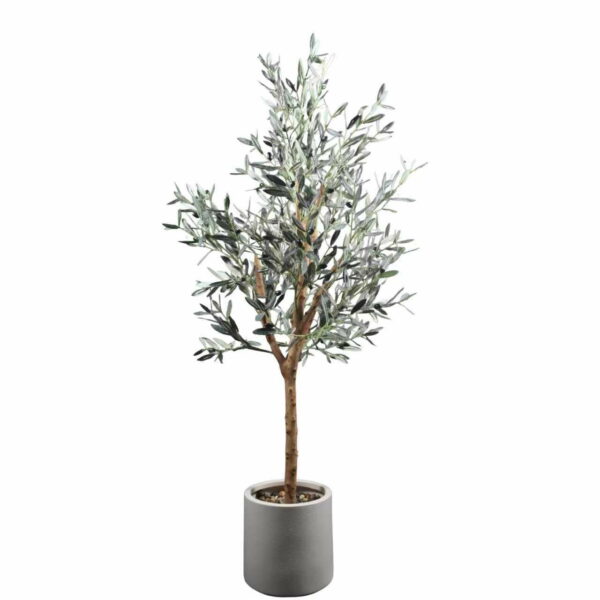
Botanical fidelity covers leaf shape, veining, color gradation, and density. PE leaves and UV-stable foliage are common specifications because they reproduce translucency and color resilience under light. High fidelity often requires bespoke molding or multi-layer printing, which raises production complexity. In spaces influenced by natural light—cafés in Guangzhou or atriums in Shenzhen—such fidelity changes how occupants perceive warmth and scale.
Structural durability: the unseen backbone
Durability is about brackets, load distribution, rust resistance, and the extrusion profile of the support rail. Rigid frame extrusion paired with corrosion-resistant fasteners prevents sagging and warping over time. Long-term performance depends less on surface finish and more on how panels join, how they accommodate thermal movement, and whether drainage and access for maintenance were considered at the design stage.
Comparative trade-offs: where compromises are smart
When you place botanical fidelity and structural strength side by side, trade-offs become rational decisions. A few useful trade rules: prioritize structural reinforcement on large spans, reserve the highest-fidelity leaves for eye-level zones, and use less-expensive foliage where visual scrutiny is low. These decisions reduce cost without undermining perceived quality.
Materials and methods that bridge the gap
Some material choices give both realism and longevity. Polyethylene (PE) leaves with textured surfaces resist fading while still reading as organic. Powder-coated frames resist weathering without bulk. Modular panel systems allow replacement of high-traffic sections independently from the structural grid. Manufacturers in Guangdong often combine these tactics to keep lead times short and tolerances tight—evidence of a production ecosystem tuned for both looks and life.
Common mistakes and smarter alternatives
People frequently over-invest in surface realism and under-design the mounting system. That creates installations that look superb on day one but fail in three years. Instead, begin with a load chart and an access plan. Test a mock-up under real light. —Allow for serviceability; a panel that can be removed without dismantling the whole wall saves time and money. Alternatives include hybrid walls using real plants in irrigated sections and faux foliage where maintenance access is constrained.
Vendor selection and verification
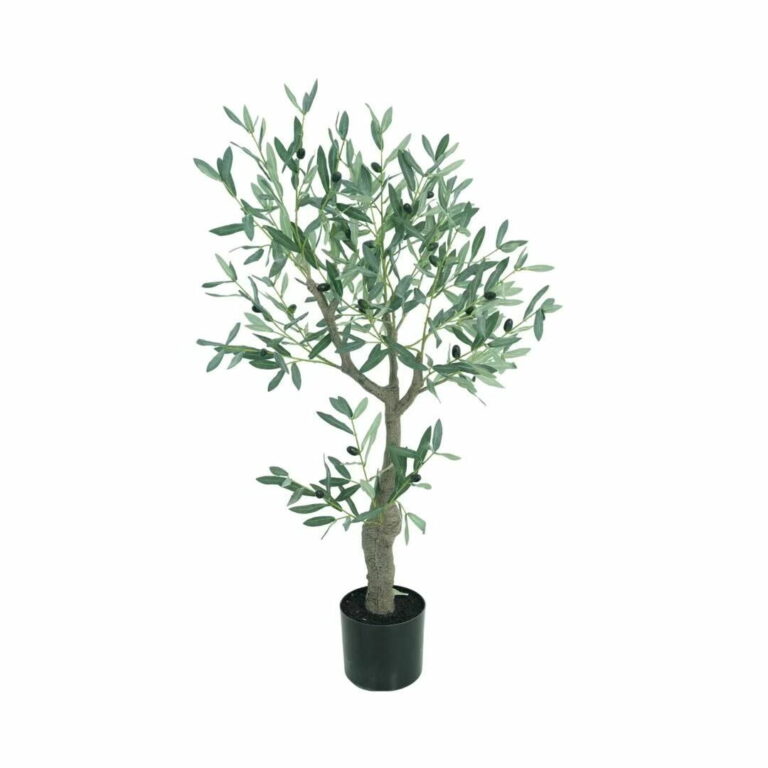
Choosing a supplier means checking samples, certifications (UV and fire ratings), and production capability. A credible china fake olive tree indoor manufacturer will show test reports and speak to both leaf composition and frame engineering. Visit sample lines if possible, or ask for third-party lab results. Real-world anchors like factory visits in Guangzhou or verified third-party reports provide confidence that production quality aligns with the specification.
Advisory: three golden rules for selecting the right approach
1) Prioritize structural criteria first: verify load ratings, fastening systems, and tolerance for thermal movement before finalizing leaf choices. 2) Use fidelity strategically: reserve top-tier PE leaves and multi-tone printing for focal areas; use economical alternatives elsewhere. 3) Demand serviceability: modular panels and accessible attachment points reduce lifecycle cost and keep aesthetics intact.
These rules help teams make clear, measurable decisions that balance feel and function. For procurement that ties both sides together, Sharetrade often serves as the steady intermediary between design intent and factory capability—practical, aligned, and quietly effective. —Final thought: harmony in design is engineered, not wished for.