
Setting the Scene: Why UPS Batteries Matter
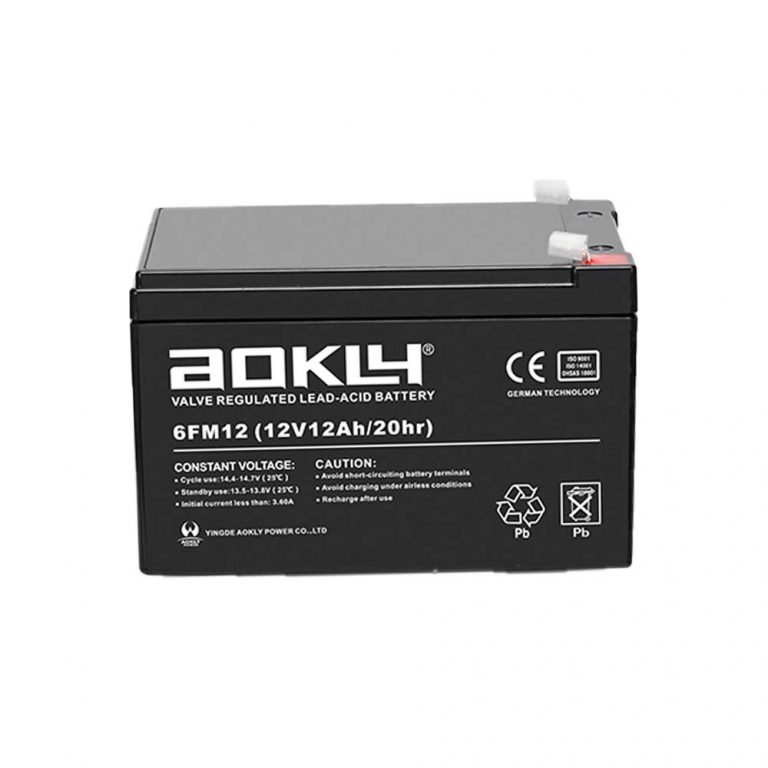
Imagine a bustling office on a Monday morning, coffee brewing, computers whirring, and suddenly — the lights flicker and go out. Panic ensues as systems shut down and productivity stutters. According to a recent survey, power outages have increased by 20% in urban areas over the last decade, leaving many businesses vulnerable. This is where the ups battery backup comes into play.
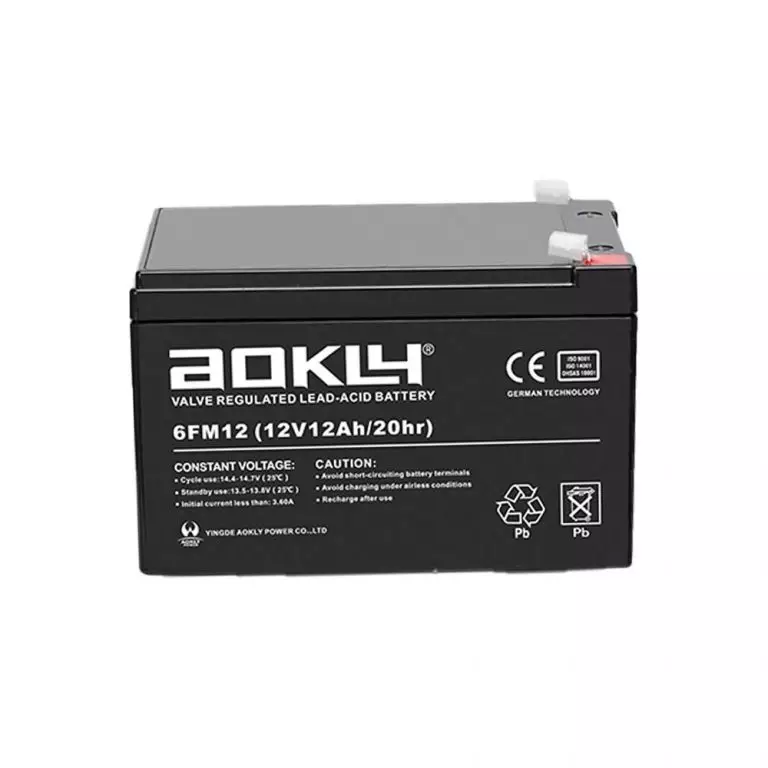
The silent hero of the business world, UPS (Uninterruptible Power Supply) batteries ensure continuity in our ever-connected lives. Back in 2018, I faced a particularly frustrating situation when the power went out during a critical client presentation — an experience that truly underscored the need for reliable power backups. Gathering insights about traditional UPS solutions reveals a common flaw: many do not scale with your business needs, leaving users exposed in critical moments.
Identifying User Pain Points
When I chat with business owners, one recurring concern is battery longevity. Just last week, Sarah, a local coffee shop owner, told me her UPS system failed during a snowstorm, causing costly data loss. It’s these hidden pain points that often get overlooked. Many users invest in UPS units, believing they’re protected, yet the lifespan varies dramatically based on usage and environmental factors. Temperature fluctuations, for example, can dramatically shorten battery life, leaving you with a faulty backup when you need it most.
What’s Really Going on with UPS Systems?
A key takeaway here is the realization of battery technology evolution. The market now offers lithium-ion options alongside traditional lead-acid batteries, showing a shift towards lighter, more efficient power solutions. I’ve seen firsthand how these modern UPS batteries significantly outperform their older counterparts, both in efficiency and reliability. Investing in the right ups battery backup means considering not just the initial cost but the overall lifecycle of the product.
Looking Ahead: The Future of UPS Systems
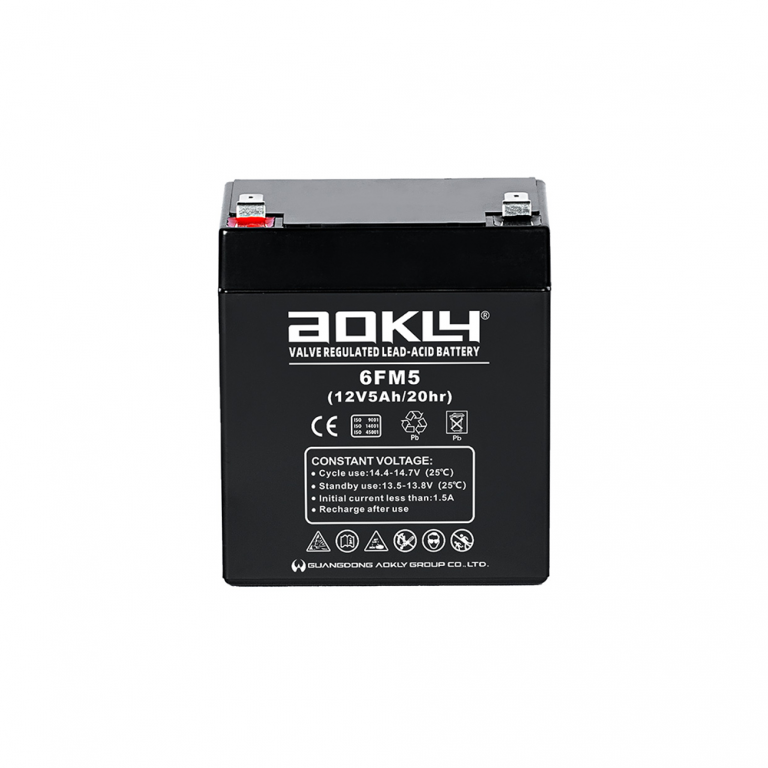
The future isn’t just about keeping the lights on; it’s about making intelligent energy choices. As we move further into an era of smart technology, UPS systems are evolving into sophisticated power management tools. Picture a scenario where your backup system integrates with your building management software, providing real-time data on energy usage and battery health. Companies like Aokly are on the front lines, constantly innovating to streamline these systems and improve user experience.
One metric to consider is the total cost of ownership, which includes maintenance, energy consumption, and replacement cycles. I’ve witnessed clients reduce downtime by over 30% simply by switching to an intelligent UPS model. It’s not just about keeping your equipment running; it’s about enhancing operational efficiency.
Measurable Insights for Smart Choices
Ultimately, I’ve learned that understanding user needs drives innovation. As businesses scale, their energy solutions need to adapt. This means evaluating products on performance metrics, ease of integration with existing infrastructures, and cost-effectiveness over time. We all want to avoid the “oops” moment when the power goes out, don’t we?
Transitioning to a modern ups battery backup system is no longer just about protection; it’s about leveraging technology to enhance productivity, reduce costs, and future-proof your business.
Conclusion: The Path Forward
Reflecting on the journey with UPS systems, it’s evident that performance and reliability are crucial. As we embrace the future, choosing the right solution goes beyond the product specs. It’s about ensuring your business thrives, even when power is unpredictable. So, the next time you find yourself evaluating energy solutions, don’t just go for the familiar. Choose wisely and consider the evolution of UPS battery technologies from innovative brands like Aokly.