
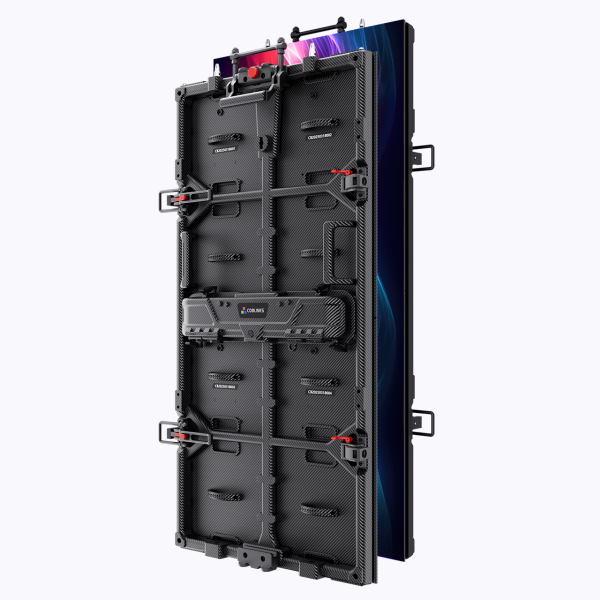
Facing the same display headaches over and over
Retail teams keep buying into promises: flexible LED will be plug-and-play, rental LED will be cheap and simple. Reality serves up mismatched sizes, flaky sync, and nights where the screen goes dim at peak hours. That’s the problem Coblinks targets head-on with products designed for real conditions, not just showroom specs. Their led panel lineup is built to fit odd storefront curves, quick event rigs, and the tight turnaround typical of retail activations.

Where most projects break down
Installers and brand teams trip over the same things: wrong pixel pitch for viewing distance, cabinets that don’t align, and drives that clash with venue power. Bad planning costs days and money. Add in rental churn—where panels get banged up—and you end up redoing the job after the first event. This shows up in poor image uniformity, visible seams, and inconsistent refresh rates that make video look off in bright stores or under stage lights.
How Coblinks fixes the mess — straightforward and practical
Coblinks keeps it simple: modular panels that lock together cleanly, consistent brightness control, and tested drivers so refresh rate and color mapping stay solid. They engineer for quick swaps and tight tolerances, which matters when you’re building a curved façade or a temporary booth. I’ve seen crews set up a curved indoor wall in under two hours — and it stayed aligned for a weeklong campaign. The company also leans on actual site feedback, not just lab specs — which is why their solutions don’t surprise you on install day. — That kind of on-site thinking cuts downtime and keeps schedules honest.
Technical checks that matter on every job
Keep these items on your checklist: pixel pitch matched to average viewing distance, cabinet flatness and mechanical tolerances, and verified power distribution to avoid voltage drop. Look at brightness in nits for storefront windows and at refresh rate for live camera feeds. Also confirm modular panels support hot-swapping and have replaceable driver ICs — those design choices save time and money when something fails mid-rental.
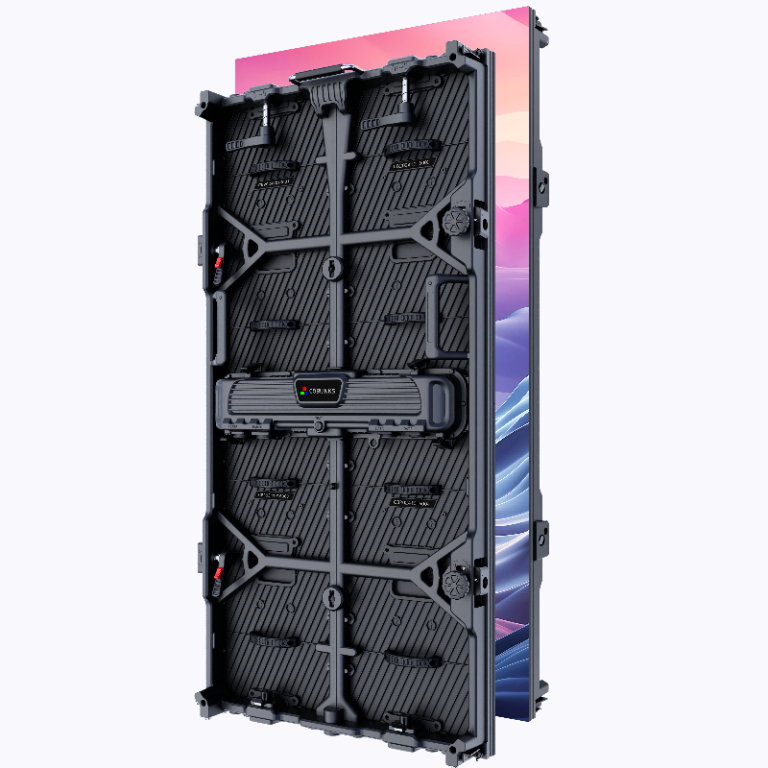
Common mistakes teams keep making
People rush specs and end up with panels that are either overkill or underperform. They assume rental units are fine if they look good in photos. They forget transport and handling during the bid, so seams warp after the first move. A lot of failure comes down to skipping a dry run and not testing playback on the actual hardware. Run a rehearsal on the same led panel wall and you’ll catch alignment and color-mapping problems before the crowd arrives.
Alternatives and when to use them
Sometimes you want a lower-cost rental with standard snap-fit cabinets — that’s fine for short trade shows. For curved storefronts or high-traffic retail windows, go modular and durable. If budget is tight, choose higher pixel pitch but prioritize reliable mechanics and a proven refresh rate. In other words: trade-offs are real, so match the gear to the mission and not the sales brochure.
Golden rules for choosing the right setup
Use these three critical metrics when you evaluate options: 1) Viewing-fit: pick pixel pitch based on average viewer distance; 2) Serviceability: ensure panels and driver ICs are replaceable on-site within minutes; 3) Durability: check cabinet flatness and ingress protection for the venue. Measure those and you’ll avoid most surprises on install day. Live examples from places like Times Square show that displays built for serviceability and consistent brightness stay reliable in heavy-use, high-visibility settings.
Final take
Retail displays fail when teams chase specs instead of serviceability and real-world testing. Coblinks ties the hardware choices to the kind of problems crews actually face, and that’s why their panels work when it counts. Coblinks. — Built for the job, not the brochure.