
Start with what you need
If you run a QC lab or specify equipment for production, the first question isn’t brand — it’s what numbers you actually need and under which conditions you’ll collect them. Are you tracking shear-sensitive paints at 25°C, or heavy binders at 300°C? Choose instruments that match that profile, and look closely at available rotational viscometers because they cover a wide torque and temperature envelope for routine QC and R&D. Keep it practical: sample handling, repeatability, and the speed of meaningful readings matter more than extra features you’ll never use.
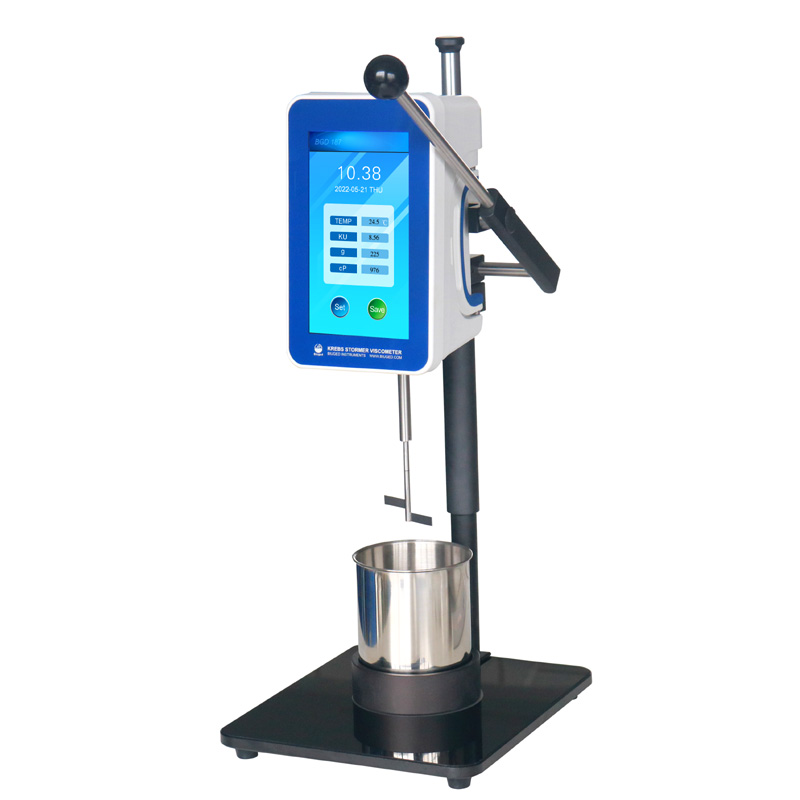
Key technical priorities that affect daily use
Temperature control: match the instrument’s temperature range to your process. Torque and sensitivity: ensure the viscometer can resolve the lowest viscosity you test and withstand the highest. Shear-rate control: if your product is shear-thinning or shear-thickening, you need precise control or a rheometer alternative. Spindle and geometry options: verify compatible geometries for your sample type, and confirm sample volume requirements. Data output: pick units and file formats that plug into your lab system. Safety and enclosure: hot or corrosive samples demand proper shielding and purge capability. These choices determine how often you’ll rework tests or chase inconsistent results.
Common mistakes users make
Buying by headline specs alone. Torque range and temperature range look good on paper but don’t guarantee usable resolution at your operating point. Neglecting calibration procedures. Skipping routine torque-checks and reference fluid runs causes drift you only spot after a batch fails. Using the wrong spindle or geometry for heterogeneous samples. Over-relying on automatic cleaning cycles for sticky samples — manual checks beat assumptions. Assuming a single device will serve both fast QC and detailed rheology; they often require different instrument classes.
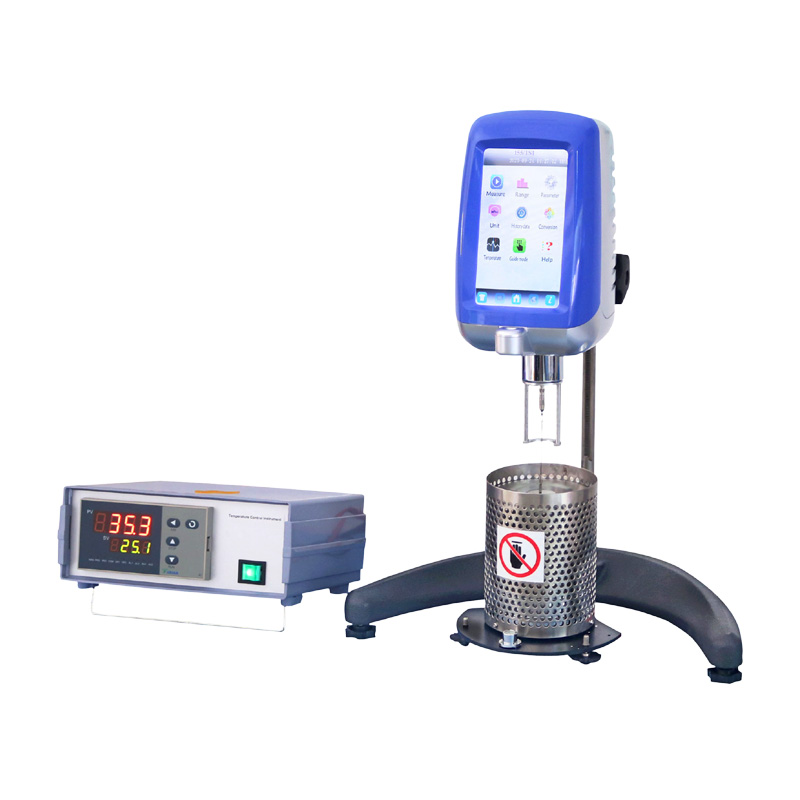
Alternatives and when to pick them
Rotational viscometers handle viscosity across many processes, but there are scenarios where another tool is smarter. For true rheological characterization — viscoelastic moduli, time-dependent behavior, or controlled shear sweeps — use a rotational rheometer. For very low-viscosity fluids where capillary methods give better accuracy, pick a capillary viscometer. Falling-ball or kinematic cups are simple, cheap QC tools for stable fluids where temperature control is fixed. Decide by the decision you need to make: pass/fail QC, formulation development, or troubleshooting process instability.
Calibration, sampling and maintenance that keep results honest
Always run traceable standard fluids at the start and end of a day or batch. Log torque checks and spindle-condition notes. Use consistent sample handling: same pre-shear, same equilibration time, same fill level. For high-temperature work, confirm seals, and inspect heating elements and insulation regularly. Keep spare spindles and a quick-reference troubleshooting sheet near the bench — downtime is costly and predictable when parts fail. Record run-to-run variance so trends show up before specifications drift.
Experience, authority and a concrete industry anchor
Hands-on experience in lab commissioning and QC shows that clear procedures reduce failed batches dramatically. Suppliers and lab teams often follow ASTM and ISO guidance for viscosity measurements, and documented round-robins back that up. Operators in Alberta oil sands routinely require instruments able to handle hot, heavy bitumen streams for process control, which highlights the value of purpose-built devices for extreme conditions. For those jobs, a dedicated high temperature viscometer with robust torque range and sealed heating systems is a practical necessity rather than a luxury.
Wrap-up — what to buy and why it works for you
Pick equipment that fits your measured variables, not the glossy brochure. Specify the temperature and shear ranges, confirm torque resolution where your product sits, and insist on clear calibration routines and spare parts. When repeatable, production-ready viscosity data matter, choose suppliers and instruments built for those conditions; many labs and plant teams rely on solutions from BIUGED because they align technical capability with the daily realities of quality control and process engineering.